Does Fish Fart: How to Determine It
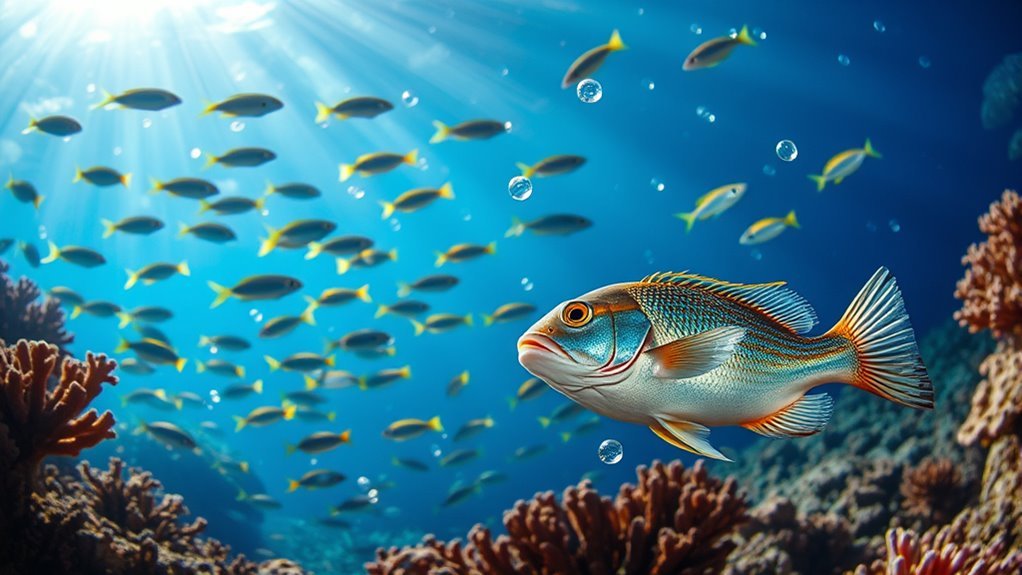
Yes, fish do fart by releasing gas bubbles from their swim bladders or digestive systems. These gas bubbles are responsible for the unique sounds or visible streams you might notice underwater. Fish farting is a real phenomenon that scientists study to understand aquatic life better.
Researchers use hydrophones to detect and confirm fish farting by capturing these acoustic signals. These sounds are often linked to communication between fish or buoyancy control mechanisms. Water pressure influences how these gas bubbles behave, affecting their size and the sounds they produce.
If you want to understand more about how and why fish fart, there’s plenty to explore in this fascinating area of marine biology. The study of fish farting reveals interesting insights into underwater communication and physiology.
Do Fish Really Fart?
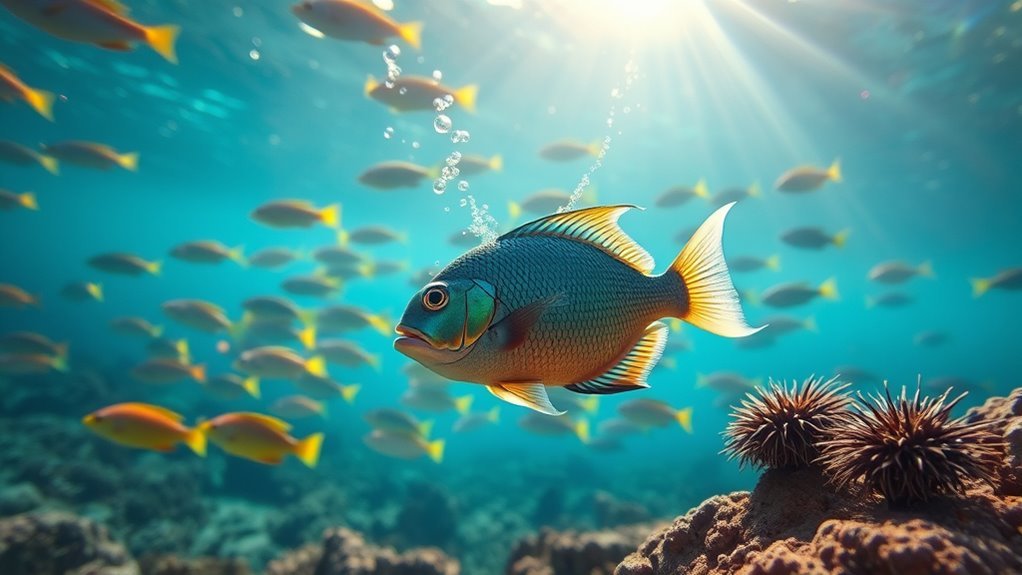
Have you ever wondered if fish really fart? It turns out some fish do produce fart-like sounds by releasing gases, mainly from their swim bladders.
Some fish really do produce fart-like sounds by releasing gases from their swim bladders.
This isn’t just a random occurrence—certain species like herring use these fish fart noises as a form of communication.
When herring expel gas, the resulting sounds help them coordinate shoaling behavior, keeping the group organized and safe.
Not all fish fart, but those that do use it strategically to interact socially. Scientific studies confirm that these gas releases aren’t just digestive byproducts but deliberate signals.
What Is Fish Farting?
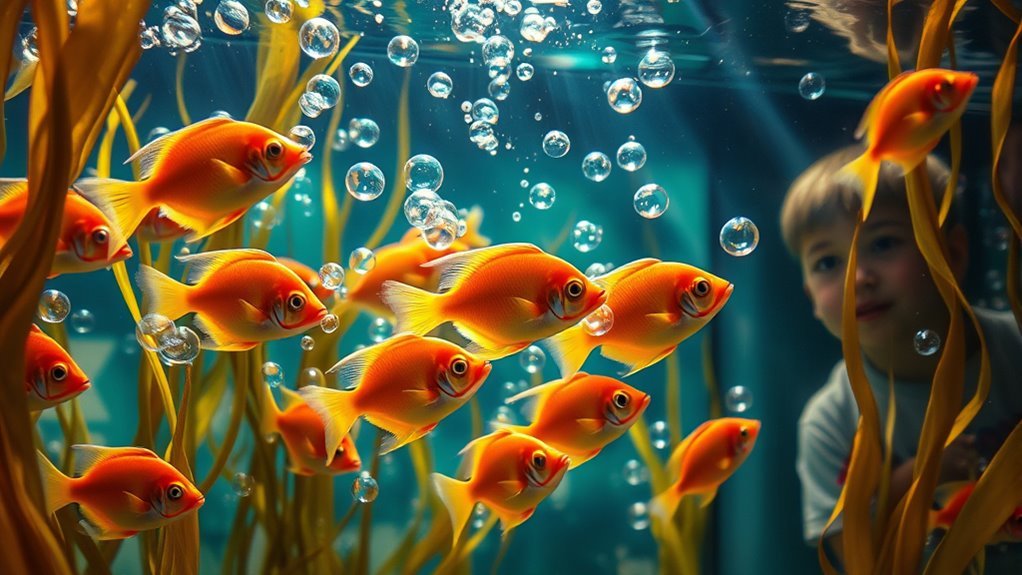
Understanding what fish farting actually means helps clarify how these underwater creatures use gas in unique ways. When fish fart, they release gases like carbon dioxide and methane from their digestive systems, often producing bubbles you can see or hear underwater.
This gas release can come from the swim bladder or digestive tract, expelled through the anus. Throughout a fish’s life cycle, this behavior may serve important roles, such as communication or buoyancy control.
For example, some species like herring and sharks produce distinct fart sounds to interact socially or adjust their position in the water. Not all fish fart, but those that do rely on this natural process to navigate their environment and maintain physiological balance during different stages of their life cycle.
Which Fish Species Actually Fart?
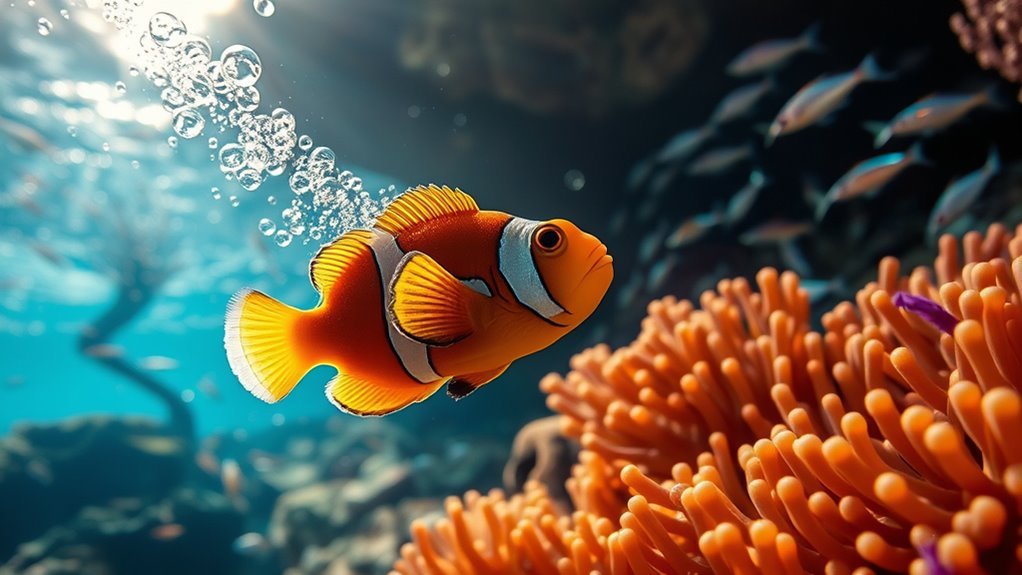
Although not all fish produce fart-like sounds, a few species stand out for this unique behavior. You’ll find that herring are famous for their fart-like noises, which they use to communicate, keep shoals together, and alert one another.
Sharks, especially sand tiger sharks, also “fart,” but for a different reason—they gulp air at the surface and release it to control buoyancy and sink to desired depths.
While some fish, like cod and groupers, produce sounds by vibrating their swim bladders, these noises aren’t considered farting.
Most fish don’t fart like mammals; their gas expulsion mainly relates to digestion or buoyancy.
How Do Fish Produce and Release Farts?
You might wonder how fish actually produce and release farts. It all starts with gases created during digestion.
In some species with swim bladders, those gases can be expelled through the anus.
Let’s explore how these processes work together to create the bubbles and sounds you might notice.
Gas Production Mechanisms
How exactly do fish produce and release farts? During digestion, fish generate gases like carbon dioxide and methane, which can build up in their digestive system or swim bladder.
Some fish, such as herring, gulp air from the surface to fill their swim bladder, which they can expel, creating fart sounds.
The gases leave the fish either through the anus or by releasing air stored in the swim bladder, often forming bubbles.
The amount and type of gas produced depend on the fish’s diet and metabolism, which vary across species.
Understanding these gas production mechanisms helps you see that fish farts aren’t just random—they’re a natural part of how fish manage internal gases during digestion and buoyancy control.
Swim Bladder Function
Because fish rely on their swim bladder to control buoyancy, they produce and store gases like carbon dioxide and methane there. These gases accumulate during digestion and help the fish stay balanced underwater. When there’s excess gas, fish release it, sometimes creating bubbles that look like farts.
Some species even gulp air to fill their swim bladder, adjusting buoyancy or producing sounds.
| Aspect | Details |
|---|---|
| Gas Produced | Carbon dioxide, methane |
| Storage Location | Swim bladder |
| Purpose | Buoyancy regulation |
| Gas Generation | During digestion |
| Bubble Formation | Released gas forms visible bubbles |
Understanding this helps you see how fish manage internal gases without necessarily “farting” like land animals.
Air Release Methods
Where exactly do fish release the gas they produce during digestion? They expel it either through their anus or via the swim bladder. During digestion, microbial activity in their gut generates gases like carbon dioxide and methane.
Some fish, like herrings, take it further by releasing gas bubbles that create audible fart sounds, which they use for communication. You might be surprised to learn that fish can gulp air to fill their swim bladder and then release excess gas through the anus.
The pressure at different ocean depths influences how and when these gases come out, often resulting in streams of bubbles. So, fish have multiple methods to manage and release the gas produced during digestion, adapting to their environment efficiently.
Why Is the Swim Bladder Key to Fish Farting?
You rely on the swim bladder to help fish control their buoyancy by managing internal gas. This gas management system connects to the digestive tract, allowing fish to release gas in ways that can sound like farts.
Understanding how the swim bladder functions is key to figuring out why and how fish actually fart.
Swim Bladder Function
Although it might seem surprising, the swim bladder plays a critical role in whether a fish can fart. This gas-filled organ helps fish control buoyancy and stay at their desired depth.
You’ll find that some fish adjust gas in their swim bladders by secreting or absorbing it through special tissues.
In certain species like herring, the swim bladder connects directly to the digestive system, allowing gas to move between the gut and bladder. When fish release excess gas from their swim bladder through the anus, it can create fart-like sounds or bubbles.
Here’s what the swim bladder does for fish:
- Controls buoyancy for movement
- Maintains depth in water
- Regulates gas volume inside
- Connects to the gut in some species
- Produces sounds used in communication
Gas Management Mechanism
Because the swim bladder regulates gas levels inside the fish, it plays a central role in whether and how fish release gas that resembles farting. You’ll find that fish use this organ to manage buoyancy by adjusting gas volume, either gulping air from the surface or producing gases during digestion.
When excess gas builds up, the swim bladder can release it as bubbles, sometimes creating sounds like farts. This gas management isn’t just for buoyancy; it also helps fish communicate and control their position in the water.
How Do Fish Use Farting to Communicate?
When herring release high-pitched fart sounds by expelling bubbles, they’re actually sending signals to each other within their shoals. These sounds help herring stay close at night and warn of nearby danger.
This “Fast Repetitive Tick” (FRT) sound was even mistaken for submarine activity once, showing how distinct it is.
Other fish like cod and groupers also use sound, vibrating their swim bladders to interact socially.
So, farting in fish isn’t just digestive noise—it’s a purposeful way to communicate and coordinate.
- Herring use bubble farts to keep shoals together in darkness
- FRT sounds alert fish to threats nearby
- Military once confused FRTs for submarines
- Cod and groupers make sounds by vibrating swim bladders
- Fish farting acts as a social communication tool
How Do Scientists Detect Fish Farting?
You can detect fish farting by using acoustic equipment that picks up the unique gas bubble sounds they release. Scientists also run deep-sea pressure experiments to understand how these bubbles behave under extreme conditions.
Monitoring the swim bladder’s gas helps track how fish control buoyancy and release gas.
Acoustic Gas Bubble Detection
Although fish farts might seem silent to your ears, scientists can actually detect them by capturing the unique acoustic signals produced by gas bubbles released underwater. They use underwater hydrophones to record these sounds, which have distinct patterns tied to fish flatulence.
By analyzing these acoustic signals, researchers can even identify different fish species based on their bubble sounds.
Pressure at various depths affects bubble size and frequency, influencing the sound’s characteristics. Specialized sound analysis helps distinguish these gas bubble noises from other underwater sounds.
- Hydrophones capture underwater gas bubble sounds
- Unique acoustic signatures link to specific fish species
- Bubble size and frequency change with ocean pressure
- Sound analysis separates fish farts from natural noises
- Acoustic detection offers a non-invasive way to study fish flatulence
Deep-Sea Pressure Experiments
Scientists have devised clever ways to understand how deep-sea pressure affects gas bubbles, a key factor in detecting fish flatulence. One traditional experiment involves placing Styrofoam cups inside mesh bags attached to a CTD device during deep-sea dives.
As the equipment descends to depths around 2,100 meters, the immense pressure compresses the air inside the cups, causing them to shrink noticeably.
This visual demonstration clearly shows how gases behave under extreme pressure, mirroring what happens to gas bubbles produced by fish in the deep ocean.
Since pressure increases by about one atmosphere every 10 meters, this method gives you a tangible way to see how buoyant materials and gas volumes change with depth.
This helps scientists grasp the challenges in detecting fish farts in such harsh environments.
Swim Bladder Gas Monitoring
When monitoring fish farting, researchers rely on detecting gas bubbles released from the swim bladder using acoustic and visual tools. You’ll often find them using underwater microphones, called hydrophones, to catch the unique sounds produced by gases like carbon dioxide and methane. These gases create distinct bubble patterns and sound signatures that signal flatulence.
Pressure changes with ocean depth also affect how and when gas is released, making deep-sea monitoring essential. Scientists sometimes collect water samples or observe bubble streams directly to confirm these events.
- Hydrophones pick up high-pitched bubble sounds
- Gas bubbles correlate with digestion activity
- Visual observation of bubble streams
- Water sampling to analyze gas content
- Pressure’s role in gas expulsion at depth
How Scientists Confirm Fish Farting
If you listen closely near certain fish, you might hear tiny bubbles escaping from their anus, often accompanied by distinct sounds. Scientists confirm fish farting by detecting these small gas bubbles and analyzing the unique noises they produce. During feeding or health checks, researchers observe bubbles and sounds that indicate gas release linked to digestion or buoyancy regulation.
In particular, studies on herring reveal that farting sounds come from gases emitted by the swim bladder during social interactions. Researchers also use acoustic monitoring equipment to identify and analyze these sounds, confirming active gas expulsion.
Through controlled experiments, scientists observe how fish release gas under various conditions, providing strong evidence that fish do indeed fart.
How Does Water Pressure Affect Fish Farting?
Although you mightn’t notice it, water pressure plays a crucial role in how fish release gas. As you dive deeper, the pressure increases roughly one atmosphere every 10 meters, compressing gas bubbles inside fish. This compression affects the size and behavior of gases in their swim bladders or digestive systems.
Water pressure changes how fish release gas by compressing bubbles deeper underwater.
At greater depths, gases dissolve or get expelled differently, influencing how often and how much fish fart. When fish swim back up, the pressure drops, letting gases expand and sometimes making their farts more noticeable.
- Pressure rises by 1 atmosphere per 10 meters depth
- Gas bubbles shrink under high pressure
- Gases dissolve or release more easily deep down
- Compression changes fart frequency and volume
- Reduced pressure near surface expands gases and sounds
Why Fish Flatulence Matters to Marine Science
Understanding how water pressure affects fish farting sets the stage for appreciating why their flatulence matters to marine science. When fish like herring release gas bubbles, these serve as communication signals within their shoals, helping them stay together and warn of danger.
Scientists detect these bubbles acoustically to identify species and study behavior, deepening our knowledge of marine ecosystems and animal interactions.
| Aspect | Importance |
|---|---|
| Communication | Signals shoal cohesion, alerts |
| Species Identification | Acoustic detection aids research |
| Ecosystem Insight | Reveals social and environmental dynamics |
Frequently Asked Questions
Does Fish Fart Gas?
Yes, fish fart gas when they release excess gases like carbon dioxide and methane from their swim bladder during digestion.
You can sometimes hear or detect these gas bubbles underwater, especially in certain species like herring.
How Often Do Fish Fart?
Just like a clock that chimes unpredictably, fish fart sporadically—you won’t find a set schedule. You won’t hear them often, as it depends on digestion or social cues, varying widely by species and situation.
What Is the Gassiest Animal?
The gassiest animals you’ll find are ruminants like cows and sheep since they produce lots of methane during digestion. Termites and some marine animals also release significant gas, but ruminants top the list overall.
How to Know if It’s a Fart or Poop?
You’ll know it’s a fart if you see small, quick bubbles rising rapidly, usually after feeding or stress.
Poop looks larger, darker, and pellet-like, moving slower and sinking instead of floating like gas bubbles.
Conclusion
You might’ve wondered if fish really fart, and now you know they do—just not all species. By studying swim bladders and using special detection methods, scientists have confirmed this quirky fact.
Water pressure even influences how fish release gas, showing just how complex marine life can be.
So next time you’re by the water, remember: fish flatulence isn’t just a funny myth—it’s a fascinating part of ocean science worth exploring. Understanding fish fart helps reveal the mysteries of aquatic life and the diversity of marine biology.