How to Identify Different Features of Pistol and Shotgun Bores
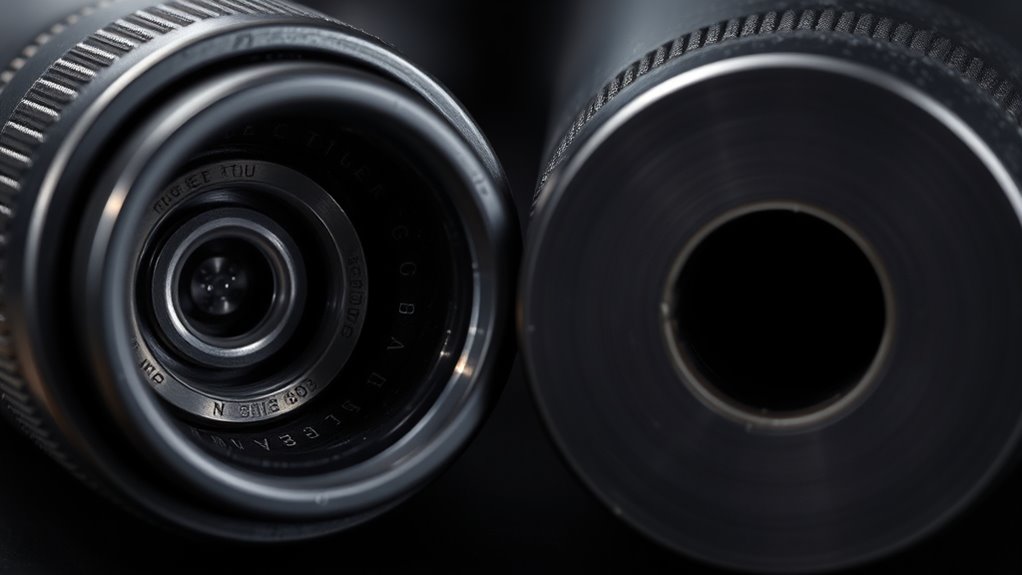
You can identify pistol and shotgun bore features by examining rifling patterns using microscopes or bore scopes. These tools help reveal the unique characteristics inside the barrel that affect how a bullet or shot behaves. Understanding these features is key to distinguishing between different firearms and their performance.
In pistols, look for spiral grooves with distinct lands and grooves on fired bullets. Pay attention to their number, width, and twist direction because these details tell you a lot about the bore’s design.
For shotguns, it’s a bit different. Rifled barrels have internal spiral grooves, so you can measure their twist rate to identify them. Smooth bores, on the other hand, don’t have these rifling details at all.
By focusing on these patterns and measurements, you’ll see how each firearm’s bore uniquely influences bullet markings and overall performance. It’s all about those fine details!
Key Takeaways
- Inspect the internal bore using a bore scope to detect spiral grooves that show rifling, or check if it’s a smooth bore. This helps you figure out what kind of barrel you’re dealing with.
- Look closely at the lands and grooves patterns inside the bore. This is how you can tell rifled barrels apart from smooth shotgun bores.
- Measure the twist rate (like 1:24 or 1:35) to help classify rifled shotgun barrels and understand their rifling details.
- Examine fired bullets under a microscope to see rifling impressions, such as lands, grooves, and striation patterns. This gives you clues about the barrel’s characteristics.
- Use comparison microscopes to match bullet surface patterns with specific rifling traits of pistols or shotguns. It’s a great way to identify the firearm type.
How To Recognize Rifling And Bore Features In Pistols
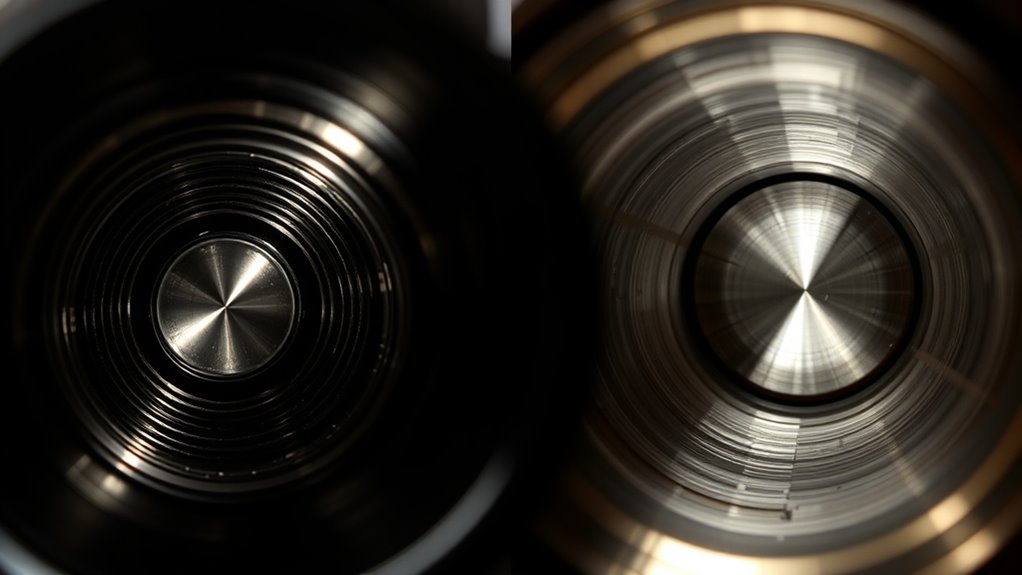
How can you identify rifling and bore features in pistols? Start by examining the fired bullet under microscopic analysis. Rifling consists of spiral grooves cut into the barrel of a firearm, creating distinct lands and grooves.
The lands are raised portions that engrave the bullet, while grooves are recessed. These leave unique groove impressions and a specific land and groove pattern on the bullet’s surface. By focusing on these striation patterns, you can determine characteristics like the number of grooves, their width, depth, twist rate, and direction.
Using comparison microscopes helps you match these patterns precisely, linking the bullet to a specific pistol. This process ensures accurate identification by revealing the firearm’s rifling through the detailed marks left on the fired bullet.
How To Recognize Rifling And Bore Features In Shotguns
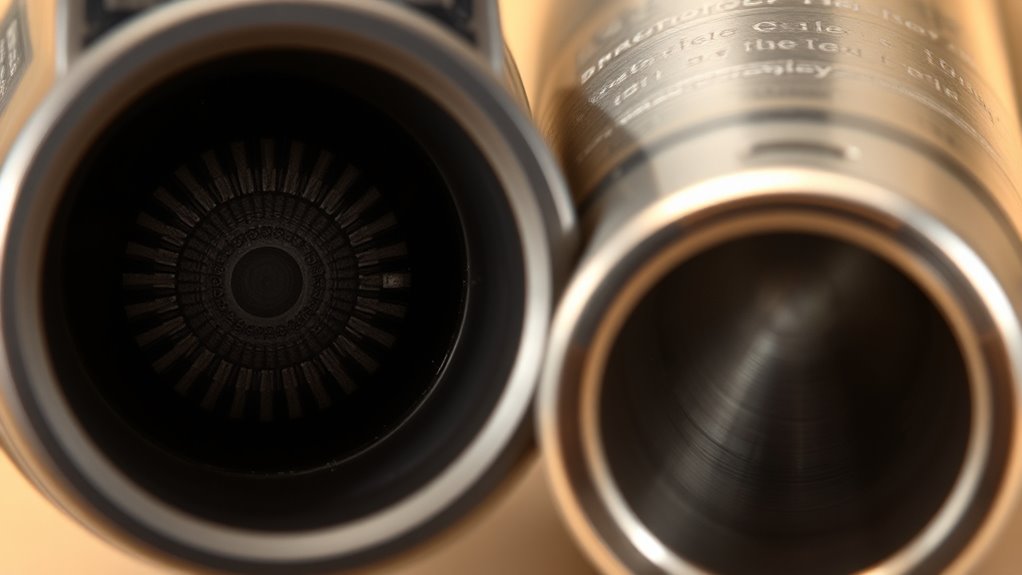
Wondering what sets a rifled shotgun bore apart from a smooth one? Rifled shotgun barrels feature spiral grooves inside the internal surface, unlike the typical smooth bore.
You can identify these grooves—and the lands and grooves they create—using a bore scope or microscopic examination. Here’s how to recognize rifling and bore features in shotguns:
- Look for spiral grooves along the bore’s internal surface.
- Identify lands and grooves indicating rifling.
- Use a bore scope to inspect the rifling pattern clearly.
- Measure the twist rate, like 1:24 or 1:35, to distinguish rifled shotgun barrels.
Frequently Asked Questions
How Are Pistol Bores Different From Shotgun Bores?
You’ll notice pistol bores are rifled, smaller, and measured in caliber, while shotgun bores are larger, smooth, and measured by gauge. Shotguns fire multiple pellets; pistols shoot single bullets with precise spin for accuracy.
What Is the Key Difference Between the Shotgun and Pistol Formations?
The key difference you’ll notice is that pistols have rifled barrels with spiral grooves to spin bullets, while shotguns have smooth, unrifled barrels designed for shot spread or slugs, affecting accuracy and ammunition type.
What Are the Different Types of Gun Bores?
You’ll find three main gun bore types: rifled, smooth, and polygonal. Rifled bores have spiral grooves for bullet spin, smooth bores suit shotguns, and polygonal bores offer a different barrel shape improving gas seal and accuracy.
What Are the Primary Characteristics Used to Determine the Bore Diameter of a Firearm?
Picture measuring the distance between the barrel’s inner ridges—lands or grooves—that defines bore diameter. You’ll use caliber for pistols and rifles, gauge for shotguns, capturing subtle variations from rifling or manufacturing quirks.
Conclusion
Now that you know how to spot rifling and bore features in pistols and shotguns, you’re better equipped to understand firearm mechanics. Remarkably, over 70% of pistols have polygonal rifling, which improves accuracy and barrel life.
Recognizing these details not only sharpens your knowledge but also enhances safety and maintenance. Keep practicing these identification skills—they’re essential whether you’re a collector, shooter, or enthusiast looking to deepen your firearm expertise.
By learning to identify different features of pistol and shotgun bores, you build a solid foundation in firearm handling and care. This knowledge helps you make informed decisions about cleaning, maintenance, and even selecting the right firearm for your needs. So, stay curious and keep honing your skills—understanding bore characteristics is key to being a responsible and knowledgeable firearm user.