Blog

  • Are Pistol Suppressors Illegal and How to Own Them Legally

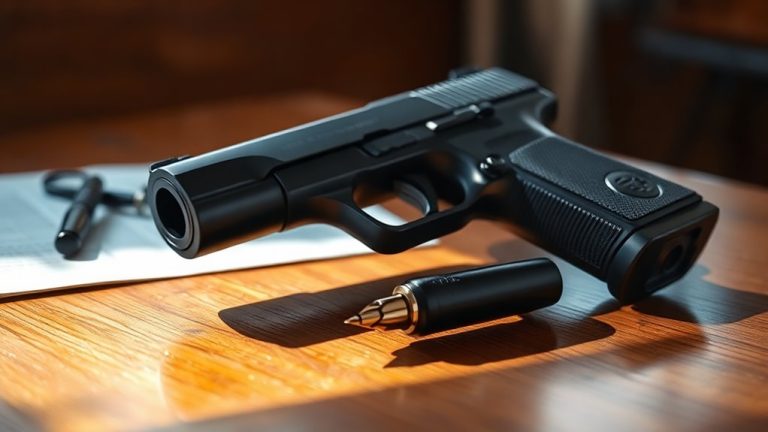
    You aren’t breaking the law owning pistol suppressors in Texas as long as you follow federal NFA rules. You’ll need to file ATF Form 4, submit fingerprints, pay the $200 tax stamp, and wait for official approval before possession.

    Texas law defers entirely to federal regulations, so completing this process properly is essential. If you want to understand how to pick the right suppressor and streamline ownership, there’s more to explore ahead.

  • What Muscles Do Pistol Squats Target?

    When you do pistol squats, you activate your quadriceps to control the descent and push back up. Meanwhile, your glutes and hamstrings work to stabilize your hip and knee throughout the movement.

    Your calves and ankle muscles keep you balanced by stabilizing your foot and controlling those tiny micro-movements. Plus, your core works hard to maintain an upright posture and stop you from twisting.

    Compared to barbell back squats, pistol squats really sharpen your balance and unilateral strength. They offer a unique way to build control and stability.

    Want to know more? Keep exploring to see how each muscle plays a role.

  • What Is the Standard Barrel Length for a Pistol?

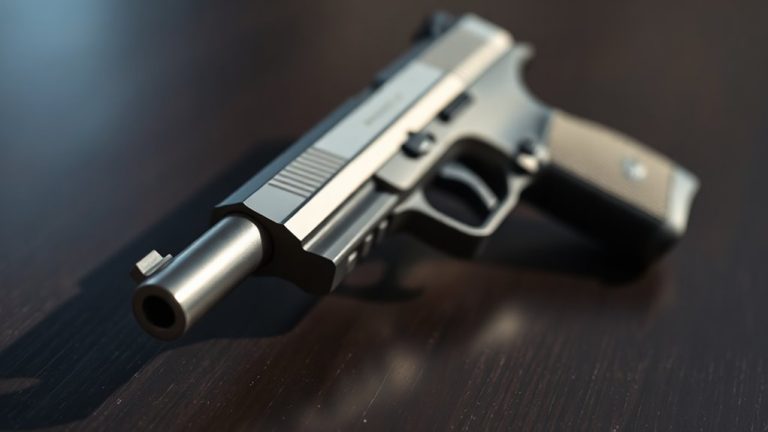
    There’s no single standard barrel length for pistols, as laws focus more on firearm type than size. You can find barrels as short as 3.5 inches for quick handling or longer ones around 5 to 6 inches for better accuracy and velocity.

    Short barrels help with holster clearance, while longer barrels improve sight radius. Whether you’re choosing for sport, carry, or legal compliance, understanding barrel length impacts is key.

    You’ll want to explore how it all comes together. It really makes a difference depending on what you need.

  • How to Put a CO2 Cartridge in a BB Gun Pistol in 3 Easy Steps

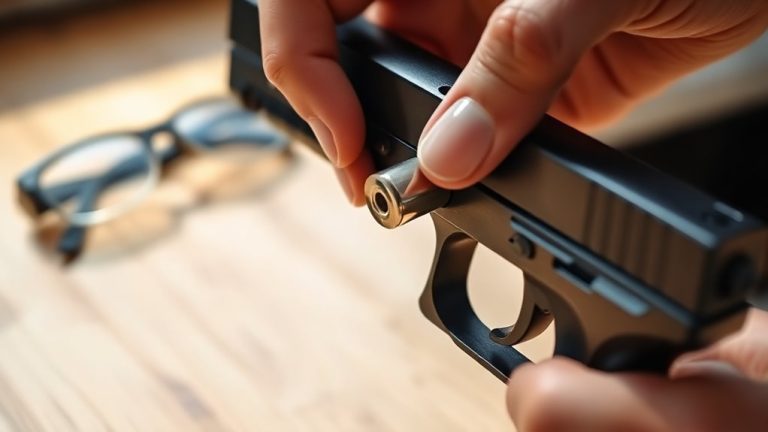
    Start by ensuring your BB gun is unloaded and pointed safely. Then, prepare a compatible 12-gram CO2 cartridge by applying a tiny drop of chamber lube on the tip.

    Next, insert and align the cartridge with the puncture tip facing the valve. Make sure it’s seated properly without tilting.

    Finally, tighten the puncture screw until you hear a steady hiss. Then check for leaks before shooting.

    Keep following for more tips on maintaining a secure, leak-free seal.

  • 10 Steps to Work Up Pistol Squats

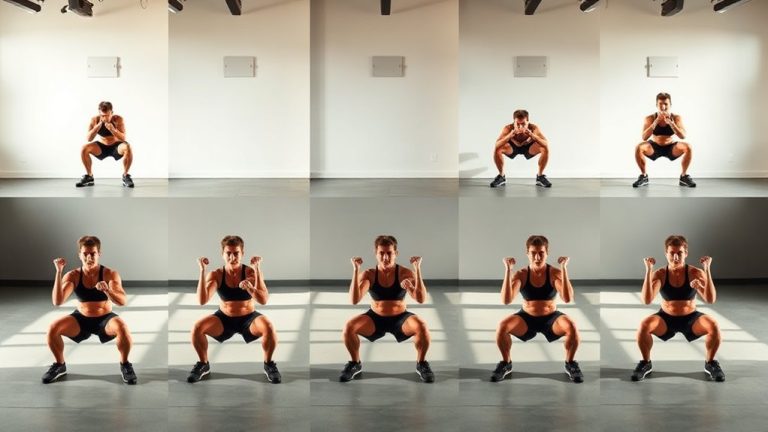
    To work up to pistol squats, start by practicing balance and single-leg strength with support like a pole or bench. Master the hip hinge by pushing hips back and keeping your knee aligned over toes.

    Build ankle mobility and strengthen your core and glutes for stability. Begin with slow, controlled descents, pausing at the bottom, and progress by adding reps or weight gradually.

    Stick with proper form, and you’ll gain smoother, deeper pistol squats as you move forward. It takes time, but with consistency, you’ll get there!

  • How to Aim a Pistol With 3 Essential Tips

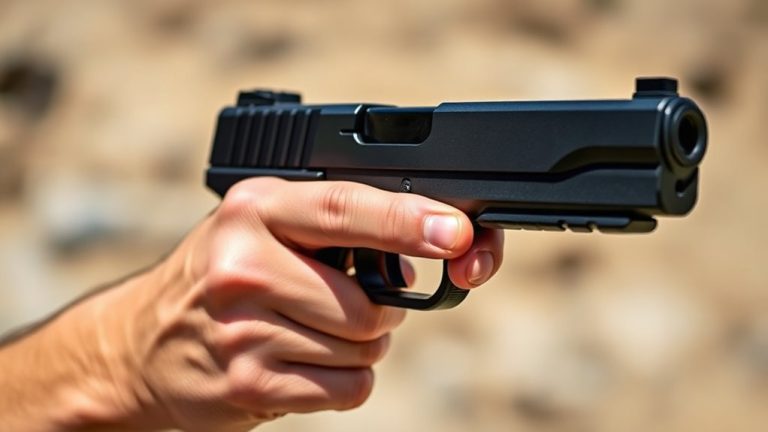
    To aim a pistol effectively, keep your eyes locked on the front sight. Make sure it’s centered and level in the rear sight notch while the target blurs.

    Keep a steady grip by placing your dominant hand high on the backstrap. Use balanced pressure with both hands to control recoil.

    Press the trigger smoothly and straight back, without any sideways pressure. Focus on a surprise break.

    Master these basics, and you’ll be ready to improve your precision with advanced techniques.

  • How Many Rounds Does a Pistol Hold?

    A standard pistol usually holds between 15 and 17 rounds, balancing firepower and size to fit comfortably in your hand. Capacity depends on the pistol’s design—double-stack magazines pack more rounds than single-stack ones.

    Compact pistols hold fewer, while full-size models can carry up to 19 or more. Extended magazines can increase capacity but may affect grip and reliability.

    If you want to understand how capacity affects handling and legal limits, keep exploring for useful insights. There’s a lot to consider when choosing the right pistol for your needs!

  • How to Have a Legal Stock on an AR Pistol Without Being Illegal

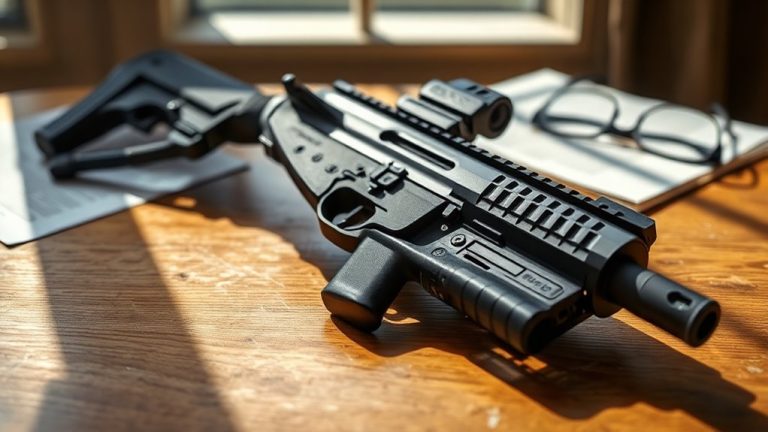
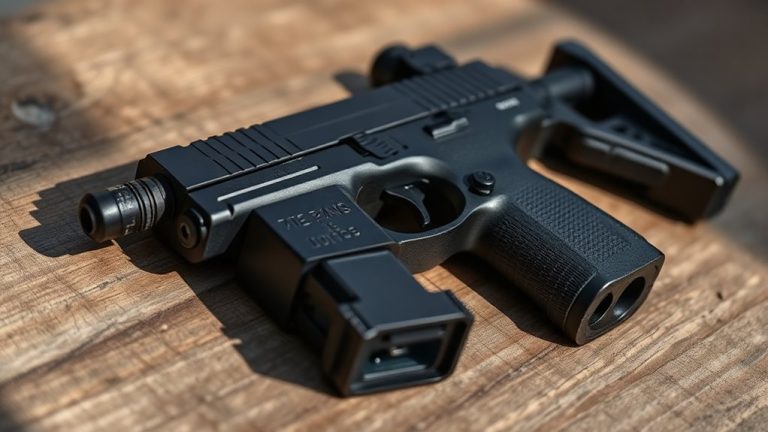
    To keep your AR pistol legal, use a brace designed to physically limit the length-of-pull (LOP) to under 13.5 inches, like the KAK Shockwave Blade 2.0, instead of a stock that extends past this limit.

    Always measure your firearm fully assembled with the brace extended to confirm compliance, focusing on the LOP and overall length (OAL) under 26 inches.

    Proper documentation and understanding parts specs help prevent legal issues. There’s more to factor in for ensuring your setup stays on the right side of the law.

  • How to Identify What Makes a Pistol an SBR

    To identify what makes your pistol an SBR, focus on barrel length—any shorter than 16 inches qualifies as an SBR under federal law.

    Also, check if it has a shoulder stock or a brace used like one, since shouldering it can change its classification. If your pistol can be easily converted to shoulder-fire with available parts, that’s another red flag.

    Understanding these key design and use factors helps you stay compliant—there’s more to know about measurement and legal steps ahead.

  • How to Draw a Pistol Easily in 3 Simple Steps

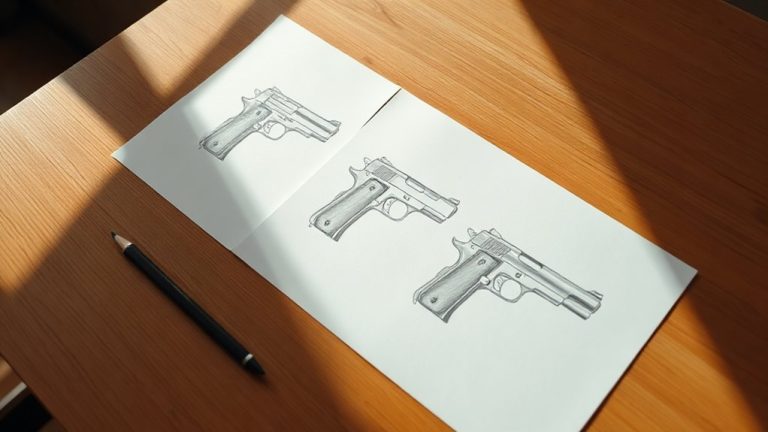
    To draw a pistol easily, start by sketching basic shapes—a long rectangle for the slide and a rounded block for the grip. Keep the proportions balanced so it looks right.

    Next, add key features like the slide’s ejection port, trigger guard, trigger, and front and rear sights. These details help define the form and make it recognizable.

    Finally, use shading to create depth. Darken recessed areas and add highlights along metal edges to bring it to life.

    Stick with these steps, and you’ll quickly gain confidence. Then, you can explore finer details and textures.