

Why Does My Room Smell Like Fish?
Your room smells like fish because hidden moisture or mold is likely growing behind walls, under floors, or in vents, releasing stubborn odors. Overheated wiring or faulty appliances may also emit similar smells, posing safety risks. Plumbing leaks, poor ventilation, or damp areas create the perfect conditions for these odors to linger.
Fixing leaks, improving airflow, and checking electrical issues help clear the smell. Keep exploring to discover how to identify and manage these causes effectively.
Common Causes of Fishy Smells in Your Room
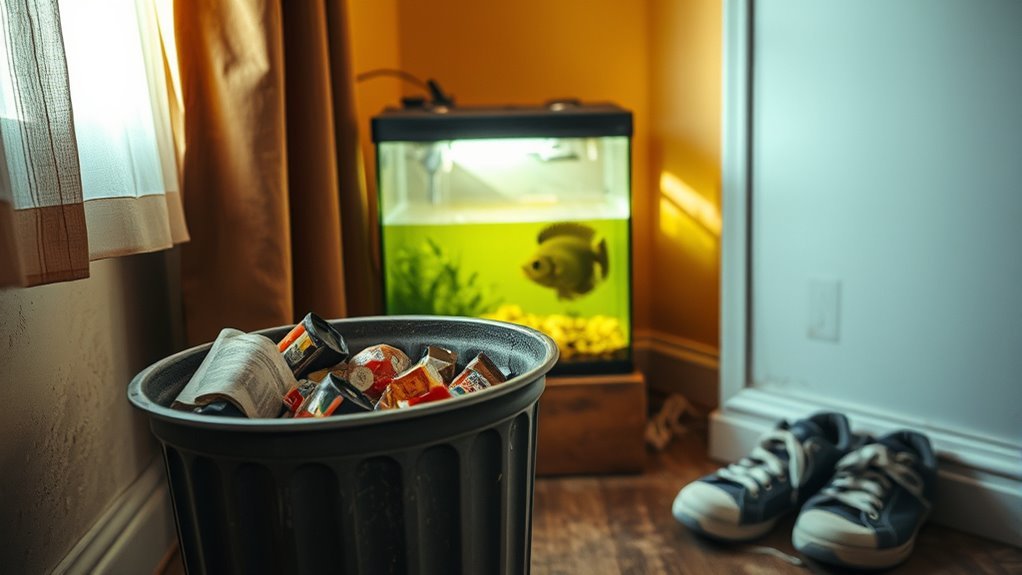
If you notice a fishy smell in your room, it’s often a sign of underlying issues like mold growth caused by excess moisture or hidden water leaks.
Besides mold growth, electrical issues can also trigger a fishy odor. Overheated wiring or melting insulation emits a distinct fish-like smell, so you should check your outlets and devices.
Appliances like refrigerators or dryers might produce this odor too, especially if they’re overheating or leaking refrigerant. Don’t overlook these possible culprits as they can pose safety risks.
Identifying the source quickly helps you prevent further damage and eliminate that unpleasant fishy odor from your space.
Keep an eye on your electrical setup and appliances to ensure they’re working properly and not causing that strange smell.
Mold and Moisture as Causes of Fishy Smells

If your room smells like fish, mold could be growing in hidden spots like behind walls or under the floor where moisture collects.
Leaks from plumbing or windows often cause this dampness, creating the perfect environment for mold to thrive.
To stop the odor, you’ll need to fix these moisture sources and use a dehumidifier to keep the air dry.
Mold Growth Locations
Because moisture often lingers in hidden spots, mold can grow behind walls, under flooring, or inside HVAC ducts, producing a distinct fishy odor. When you notice this smell, it’s a sign mold growth is thriving in damp areas you mightn’t see.
Black mold, in particular, tends to develop in places like bathroom grout or basement corners where hidden moisture collects.
These damp areas provide the perfect environment for mold to release its pungent, fishy smell. To address the odor effectively, you need to locate these mold hotspots and understand that simply cleaning visible mold won’t cut it if hidden moisture persists.
Identifying and targeting these concealed mold growth locations is key to eliminating that stubborn fishy smell in your room.
Moisture Sources Identified
When excess moisture builds up from leaks or high humidity, it creates the perfect environment for mold to thrive and release that unmistakable fishy odor. You’ll often find that water trapped in hidden spots fuels mold growth, producing those fish-like smells through volatile organic compounds (VOCs).
Persistent dampness, especially in poorly ventilated areas, only makes the odor worse over time.
Common moisture sources that cause these issues include:
- Leaks in plumbing or radiators
- Water trapped inside window frames
- Damp walls behind wallpaper or paneling
- High indoor humidity without proper ventilation
- Condensation buildup on cold surfaces
Odor Prevention Tips
Although mold and moisture often cause that persistent fishy smell in your room, you can take effective steps to prevent it. Mold spores thrive in damp conditions, so controlling moisture and improving ventilation are key. Fix leaks promptly and use dehumidifiers to reduce humidity.
Regularly clean surfaces with mold-inhibiting agents to stop mold growth before it starts.
| Prevention Step | Action | Benefit |
|---|---|---|
| Fix leaks | Repair plumbing or roof issues | Stops moisture buildup |
| Improve ventilation | Open windows, use fans | Reduces trapped moisture |
| Use dehumidifiers | Control indoor humidity levels | Limits mold spores growth |
| Clean surfaces | Use vinegar or fungicides | Prevents mold odors |
| Inspect regularly | Check walls, ceilings | Early mold growth detection |
Why Electrical Problems Cause Fishy Smells

If you notice a fishy smell lurking around your electrical outlets or fixtures, it’s a strong sign that something’s overheating. Electrical components, especially old or damaged ones, can heat up and cause the plastic insulation to melt, releasing that distinct fishy odor. Faulty wiring or overloaded circuits often produce chemical fumes that smell like fish, signaling a serious fire risk.
Here’s what to watch for:
- Overheating electrical outlets emitting unusual smells
- Melting plastic insulation on wiring
- Old or aluminum wiring causing increased resistance
- Faulty or poorly maintained light fixtures with plastic parts
- Signs of short circuits or overloaded circuits
If you catch a fishy smell near your outlets, act quickly to prevent hazards and guarantee safety.
How to Find Hidden Sources of Fishy Smells
Since fishy smells often come from hidden sources, you’ll need to carefully inspect areas you don’t usually check. Start by conducting a thorough sniff test around walls, outlets, and fixtures to pinpoint where the smell like fish is strongest.
Pay close attention to electrical components—outlets, switches, and wiring—as signs of overheating or damage can emit this odor. Use a flashlight to inspect hidden spaces like behind appliances, inside wall cavities, and under flooring for mold, dead animals, or moisture buildup.
Don’t forget to check areas prone to dampness, such as bathrooms, basements, and around windows, for leaks or mold growth.
Risks of Ignoring Fishy Smells
Ignoring a fishy smell in your room can put you at serious risk. That unpleasant fish odor might be more than a minor nuisance—it could signal dangerous issues. When you notice a persistent smell in the house, don’t brush it off, especially near electrical outlets or wiring.
Overheating components may cause a fire hazard, putting your safety at risk. Additionally, the smell might indicate mold or chemical leaks that threaten your health and home.
Overheating parts and hidden mold or chemical leaks pose serious risks to your safety and home.
- Electrical malfunctions causing fishy smells increase fire hazard risk
- Mold linked to the odor can trigger respiratory problems
- Chemical leaks near outlets can cause toxicity with prolonged exposure
- Structural damage may result from ignored mold or decomposing material
- Unaddressed electrical issues risk shocks and escalating damage
Take these risks seriously to protect yourself and your home.
How to Get Rid of Fishy Smells in Your Room
To get rid of the fishy smell in your room, start by identifying and removing the source, whether it’s mold, moisture, or an electrical issue.
Make sure to address any electrical hazards safely to prevent further problems.
Then, improve ventilation by opening windows and using fans to clear out the odor.
Identify Odor Sources
When you notice a fishy smell in your room, the first step is to pinpoint its source so you can tackle it effectively. Fish smell often comes from hidden problems you might overlook. Check for mold growth in damp spots like window frames or behind walls, as moisture encourages mildew that emits a fishy odor.
Overheating electrical components, such as faulty wiring, can also give off a similar smell due to burning insulation. Decomposing animals trapped inside walls or appliances release strong, unpleasant odors.
Sometimes, chemical reactions from adhesives or flooring materials cause fish-like scents, especially in new or renovated rooms.
Look out for these common sources:
- Mold in damp areas
- Moisture buildup and leaks
- Overheated electrical components
- Decomposing animals hidden away
- New adhesives or flooring materials
Eliminate Electrical Hazards
Besides mold and hidden pests, electrical issues can also cause that fishy smell in your room. Overheating electrical hazards, such as faulty light fixtures or damaged outlets, release chemical fumes that often smell fishy or like burning plastic.
You might notice discolored or warm wall plates and even hear buzzing sounds near outlets—clear signs of overheating. To eliminate this odor, unplug devices and turn off the circuit breaker to prevent further damage.
It’s essential to avoid using these outlets until a licensed electrician inspects and repairs any faulty wiring or fixtures. Ignoring these signs not only prolongs the unpleasant odor but also increases the risk of fire.
Address electrical hazards promptly to keep your room safe and odor-free.
Improve Room Ventilation
Although fishy smells can linger stubbornly, improving your room’s ventilation can quickly help clear the air. Proper airflow dilutes odors, while effective air filtration traps lingering particles, ensuring your space feels fresh.
Don’t overlook your HVAC system—it plays a key role in circulating clean air and removing stubborn smells.
To boost odor removal through ventilation, try these steps:
- Open windows and use fans to increase airflow.
- Run a HEPA air purifier to capture odor particles.
- Clean or replace HVAC system air filters regularly.
- Use exhaust fans in kitchens and bathrooms to vent smells outside.
- Control humidity with dehumidifiers to prevent dampness and mold.
Frequently Asked Questions
Why Would My Room Suddenly Smell Like Fish?
Your room smells like fish because something electrical is overheating or melting, like wiring or outlets.
You should check for faulty appliances or wiring immediately to prevent fire hazards.
Call an electrician if you’re unsure.
How to Get Fishy Smell Out of Bedroom?
You can gently refresh your bedroom by addressing any hidden dampness, cleaning surfaces with specialized solutions, enhancing air flow, and checking electrical outlets.
If the issue lingers, consider expert help to restore a pleasant ambiance.
Does Fish Smell Mean Electrical Fire?
Yes, a fishy smell can mean an electrical fire risk. You should check outlets for discoloration or melting. If you notice these signs or the odor persists, don’t wait—call a professional electrician immediately.
Why Does My Room Smell Like Fishy?
You might notice that fishy smell right when you enter your room because your wiring could be overheating or mold might be growing unseen.
It’s a sign you shouldn’t ignore—check electricals and damp spots quickly.
Conclusion
If your room smells like a fish market exploded, don’t ignore it! That fishy odor could be a sign of hidden mold, moisture, or even electrical issues waiting to cause bigger problems. You’ve got to act fast—track down the source, fix any damage, and freshen the air.
Otherwise, you’re inviting trouble that could take over your space like a tidal wave. Trust me, getting rid of that smell will make your room feel brand new again!
Addressing the fishy odor promptly is key to maintaining a healthy environment. By identifying and eliminating the source of the fishy smell, you can prevent mold growth, moisture buildup, and potential electrical hazards from worsening. Taking these steps will help keep your room fresh and safe.