How to Determine If a CO Pistol Is Considered a Firearm
To ascertain if your CO pistol counts as a firearm, start by reviewing your state’s legal definitions, especially those concerning CO₂ or air-powered guns.
Laws can vary quite a bit depending on where you live, so it’s important to know how your state views these types of weapons.
Many states, including West Virginia, treat CO pistols differently than traditional firearms.
They often classify them as airguns or non-lethal replicas.
This classification usually depends on factors like caliber, velocity, and the method of propulsion.
Don’t forget to check your local laws and age restrictions, too.
These rules can sometimes be more specific or stricter than state guidelines.
Understanding all these points helps you stay compliant with the law.
If you want to be absolutely sure, more detailed guidance can help clarify your pistol’s status even further.
Key Takeaways
- Check your state’s legal definition of “firearm” to see if CO pistols powered by CO₂ are included or excluded. This can vary quite a bit depending on where you live.
- Verify the pistol’s caliber, muzzle velocity, and projectile type against state-specific thresholds for firearm classification. These details really matter when figuring out if it counts as a firearm.
- Determine if the pistol uses gunpowder or an expellant charge, as CO₂-powered devices often fall outside firearm laws. It’s a key point that can change how the law applies.
- Review local ordinances for additional restrictions or classifications that may differ from state-level firearm definitions. Sometimes cities or counties have their own rules you need to know about.
- Confirm licensing, age limits, and store policies, since retailers may impose stricter rules than legal firearm status. So even if it’s not technically a firearm, stores might still have their own requirements.
When Is a CO Pistol Considered a Firearm?
Determining whether a CO2 pistol counts as a firearm depends largely on your state’s specific laws. In West Virginia, for example, CO2 pistols often fall into a separate category from traditional firearms. This affects your right to carry and concealed carry regulations.
You need to check if the state’s statutes define “firearm” to include air or CO2-powered guns. If they do, CO2 pistols might require the same permits and restrictions as conventional firearms. However, many states treat these pistols as BB or air guns, which means they’re exempt from certain firearm laws.
To understand your rights, especially regarding concealed carry and the right to carry, review West Virginia’s legal definitions carefully. This way, you can make sure you comply with local regulations and avoid any unintentional violations.
How Different States Define CO Pistols
Laws about CO2 pistols vary widely from state to state, so you’ll want to start by checking your state’s exact definition of “firearm.” Many states don’t consider CO2 pellet or BB pistols to be firearms unless they meet specific criteria like caliber size, muzzle energy, or inclusion on a statutory list.
Some states treat air guns separately, while others classify any weapon that can discharge a projectile as a firearm. You’ll want to make sure you know if your state has set power thresholds or local rules that affect carrying CO pistols.
Since these definitions differ, if you plan to carry or travel, understanding how each state defines CO pistols will save you a long time and hassle. Always check before you carry.
Why CO and Gas Power Affect CO Pistol Laws
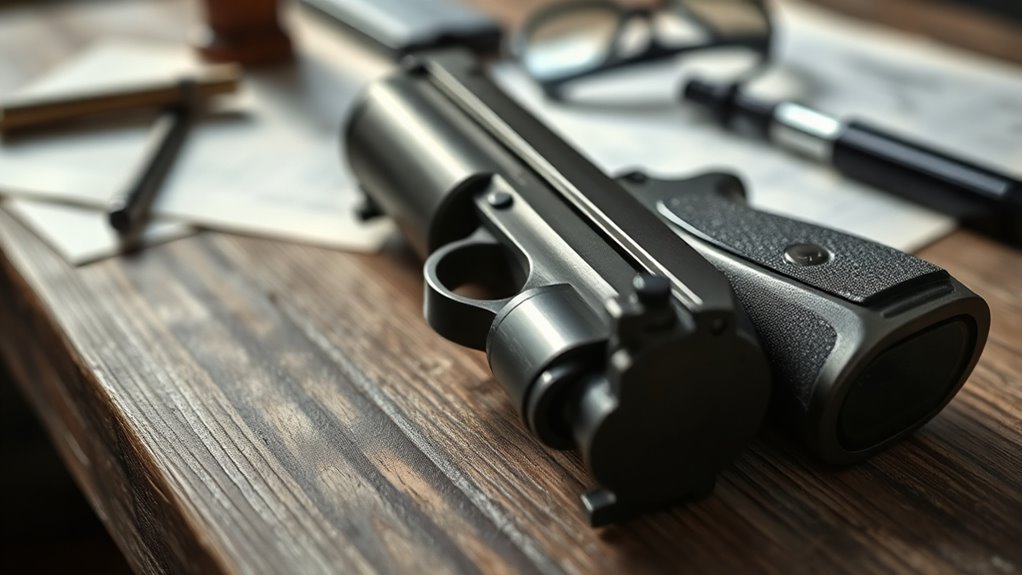
You’ll find that CO and gas power play a big role in how CO pistols are regulated because laws often hinge on the type of propulsion used. Some states treat gas-powered pistols differently since they don’t use explosive charges like traditional firearms.
Understanding these variations helps you navigate the legal landscape more clearly. It’s really about knowing the specifics so you don’t get caught off guard by different rules.
Impact Of CO Power
Although CO₂ pistols may look like traditional firearms, their reliance on pressurized gas rather than gunpowder changes how they’re regulated. Because they don’t use an ignition or expellant charge, many laws don’t classify them as firearms.
Instead, jurisdictions focus on whether the device meets specific power thresholds or fires lethal projectiles. This means CO₂-powered pistols often fall into a gray area—some states treat them like airguns, while others impose restrictions based on muzzle energy or pellet type.
The CO power setup is important since it distinguishes these pistols from gunpowder firearms in legal terms. However, this doesn’t guarantee uniform treatment everywhere. So, you must check your local rules to understand how CO₂ pistols are classified and what laws apply.
Legal Definitions Vary
When determining whether a CO2 pistol counts as a firearm, the key factors often boil down to how your state defines power sources and projectiles. Some states exclude CO2 BB or pellet guns from the “firearm” category because they don’t fire actual bullets or aren’t considered deadly weapons under specific statutes.
Even if your CO2 pistol looks like a handgun, laws may require it to fire real bullet cartridges or meet certain caliber thresholds to qualify as a firearm. Since legal definitions vary widely, you need to check your local laws carefully—some explicitly cover compressed gas-powered weapons, while others don’t.
How to Check Local CO Pistol Regulations
You’ll need to check your city or town’s specific rules since local regulations on CO pistols can vary widely. Enforcement can differ too, so understanding how your area treats these pistols is key.
Don’t forget to review any rules your local shooting range has, as they might be stricter than municipal laws. It’s always better to be safe than sorry!
Municipal Rules Variation
Because municipal rules can differ substantially from state laws, you should check your exact city, town, or county ordinances to understand how CO2 pistols are regulated locally. Look for terms like “air gun,” “BB gun,” or “discharge” and confirm if your locality treats CO2 pistols as firearms.
Also, check for range-specific rules or permits, and whether state preemption applies. These details can affect where and how you use your CO2 pistol.
| Aspect | What to Check |
|---|---|
| Terminology | “Air gun,” “BB gun,” “CO2 device” |
| Restrictions | Discharge limits, age requirements |
| Usage Rules | Range permits, local enforcement |
Enforcement Differences Explained
Although state laws provide a general framework, enforcement of CO2 pistol regulations can vary significantly at the local level. To check your local rules, first identify whether your CO2 pistol meets your jurisdiction’s definition of a firearm, considering muzzle energy or caliber limits.
Search your city or county municipal codes for terms like “air gun,” “BB gun,” or “compressed gas weapon” to spot any specific ordinances. Look for age restrictions or permit requirements that might differ from statewide laws.
Also, verify if state preemption applies—if not, local authorities might enforce rules more strictly. When uncertain, don’t hesitate to contact your local police or county attorney’s office.
They can clarify how CO2 pistols are classified and enforced in your area, helping you stay compliant.
Local Range Regulations
After understanding how local authorities classify your CO2 pistol, the next step is to check specific range regulations in your area. Start by confirming whether your city or county’s range rules regulate CO2 BB or pellet pistols, as these often vary by municipality.
Call or review the range’s posted policies to see if they allow models like Daisy CO2 pistols and whether they limit usage to certain bays, ammo types, or targets. Don’t forget to verify any age or ID requirements—some ranges may require shooters to be 18 or older, even with a guardian present.
Also, check local discharge and weapon definitions, since some places treat CO2 pistols differently. If you travel, always confirm the range’s rules and local laws where you’ll be shooting. It’s better to be safe than sorry!
What Licensing and Permits Apply to CO Pistols
When determining what licensing and permits apply to CO pistols, you need to first check how your state legally defines “firearm” and “handgun.” Many states exclude CO2-powered pistols from firearm classifications, but some include them based on projectile type, velocity, or caliber.
If your state has statewide preemption, local rules may not apply; if not, local jurisdictions might impose their own regulations on airguns. Also, pay attention to age restrictions and retailer policies—some stores require buyers to be at least 18, even if state law doesn’t classify the CO pistol as a firearm.
When traveling or purchasing out-of-state, confirm whether your destination regulates CO pistols under airgun or weapon laws. It’s also important to verify if your existing permits or licenses will be recognized.
When CO Pistols Are Classified as Replicas or Non-Lethal Weapons
You’ll often find CO2 pistols classified as replicas or non-lethal weapons if they only shoot plastic BBs or pellets and don’t meet your state’s legal definition of a firearm. This classification depends on how your state defines “firearm,” often focusing on projectile type, caliber, or whether the weapon serves a deadly purpose—not just the presence of a CO2 cartridge.
For example, in West Virginia, CO2 BB and pellet guns aren’t technically “deadly weapons,” which affects the laws that apply to them. However, even if your CO pistol isn’t legally a firearm, local rules may still regulate where and how you can use or possess it.
Retailer policies, such as age limits and marketing as BB/pellet guns, also reflect their non-lethal or replica status. So, it’s a good idea to check both your local laws and store rules before buying or using one.
Store Policies on CO Pistol Sales and Age Limits
Although CO₂ BB and pellet pistols often don’t count as firearms legally, many retailers still treat them as airguns and enforce strict age limits. Usually, they require buyers to be at least 18 years old regardless of parental consent.
For example, a big-box store refused to sell a Daisy CO₂ pistol to a 16-year-old, even with a parent present. Store checkout policies often require ID and age verification, blocking sales if you don’t meet their criteria.
These rules can be stricter than local laws, so you should always check the store’s specific policy before purchasing. If you’re under 18, it’s a good idea to call ahead and confirm the minimum age and any documentation required to avoid complications at the register.
Steps to Verify Your CO Pistol’s Legal Status
How can you confidently determine whether your CO pistol qualifies as a firearm under the law? Start by checking your state’s definitions for “firearm” and “air gun/BB/pellet gun.”
Next, verify your pistol’s model, caliber, and velocity against legal thresholds. Don’t forget to confirm if local ordinances or state preemption rules apply.
Also, review licensing and age restrictions, as well as “deadly weapon” classifications. When in doubt, contact local law enforcement or a legal expert with your pistol’s details and jurisdiction.
| Step | What to Check | Why It Matters |
|---|---|---|
| State Definitions | Firearm vs. air gun | Determines legal classification |
| Model Specs | Caliber, velocity | Meets legal energy thresholds |
| Local Rules | Preemption, city ordinances | Affects regulation differences |
| Restrictions | Age, license, weapon definitions | Additional legal controls |
| Expert Advice | Police or attorney consultation | Clarifies uncertain classifications |
Frequently Asked Questions
How Old Do You Have to Be to Have a Gun in CO?
You have to be at least 18 to possess most firearms in Colorado, but younger people can have certain guns for hunting or target shooting with permission.
Age rules vary if the gun’s an airgun or CO₂ pistol. So, it’s not just about age—what kind of gun matters too.
Do You Have to Inform an Officer You Are Carrying in Pennsylvania?
Like walking a tightrope, you only have to inform an officer you’re carrying in Pennsylvania if they ask.
Keep your hands visible, answer directly, and remember, volunteering info isn’t required unless questioned.
What Does “Mexican Carry” Mean?
“Mexican carry” means you’re carrying a loaded handgun loosely at your hip, often without a proper holster. Sometimes it’s even partially visible.
It’s a street term, not a legal category. So, the rules can vary a lot depending on the state and the situation.
What Makes a Gun a Pistol or a Rifle?
You classify a gun as a pistol if it’s designed to be fired with one hand and usually has a short barrel.
A rifle, on the other hand, has a longer rifled barrel. It’s meant to be fired from your shoulder.
Conclusion
When it comes to your CO pistol, maneuvering the legal maze can feel like walking through a fog. But don’t let confusion cloud your judgment—knowing how states define, regulate, and license these pistols is your compass.
Treat your CO pistol with the respect of a ticking clock; its status can change with a state’s law. Laws can shift, so staying informed is key. Check local rules regularly to make sure you’re on the right side of the law.
Remember, understanding how to determine if a CO pistol is considered a firearm helps protect your rights. Staying updated on definitions, regulations, and licensing requirements ensures you handle your pistol legally and responsibly. Keep your rights as clear as a bright beacon on a dark night by staying informed and compliant with your state’s firearm laws.