How You Can Get Gifted a Pistol at 18 Legally
You can legally receive a pistol as a gift at 18 in California by making sure the transfer is intrafamilial and goes through a licensed firearms dealer (FFL).
This process is important because California has strict laws about who can own and receive firearms, especially pistols.
The family member gifting the gun must fill out the state’s DOJ intrafamilial transfer paperwork.
Then, you’ll need to pass a background check before the pistol is officially transferred to you.
When transporting the gun, it must be unloaded and kept in a locked container.
It’s also crucial to keep all the transfer documents with you so you can prove the transfer was legal if stopped by law enforcement.
Stick with me, and I’ll guide you through every step so you know exactly how to get gifted a pistol the right way at 18 in California.
Key Takeaways
- California law permits handgun possession at 18 if the pistol is received as a lawful gift, even though the purchase age is 21.
- The main way to legally gift a handgun to someone who’s 18 is through intrafamilial transfers, meaning it has to come from a family member.
- This gift has to be processed through a licensed FFL dealer. That includes filling out DOJ intrafamilial transfer paperwork.
- The FFL dealer will run background checks and usually charge a transfer fee, which is around $20. This is all to make sure everything is legal.
- It’s a good idea to keep and carry the completed transfer documents when transporting the handgun. That way, you can easily show you’re following the law and avoid any trouble.
Can an 18-Year-Old Own a Gifted Handgun in California?
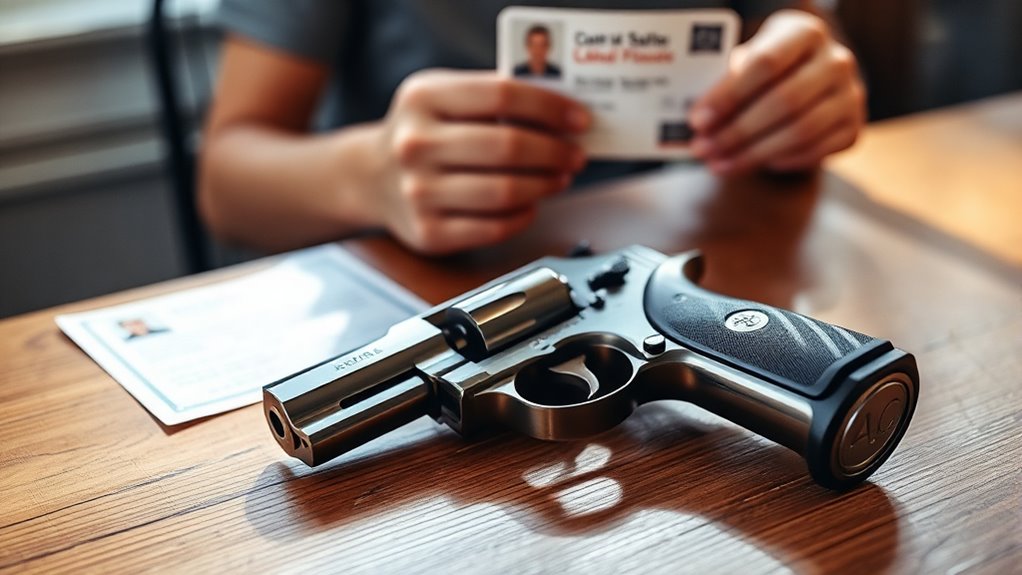
Although you can’t buy a handgun in California until you’re 21, you can legally possess one at 18 if it’s gifted to you. This includes handguns, but it’s important to distinguish from Long Gun rules since they often differ.
When you receive a handgun as a lawful gift—especially through intrafamilial transfer—you must follow California DOJ intrafamilial transfer forms and process the gun through a local FFL. Skipping these steps might put you at legal risk during possession.
Understanding Age Limits for Buying vs. Possessing Handguns
When you’re 18 in California, you can legally possess a handgun but can’t buy one from a licensed dealer until you turn 21. This distinction is key: buying a handgun requires you to be at least 21, but possession is allowed at 18.
That means if someone gifts you a pistol, you can legally own and carry it, provided the transfer follows California’s strict handgun transfer rules. Importantly, the transfer can’t look like a purchase—you can’t “buy” the gun under 21.
Instead, it must be structured as a gift or intrafamilial transfer compliant with state laws. Understanding this difference helps you navigate how to legally receive a handgun before 21, emphasizing possession rights versus purchase restrictions.
Intrafamilial Transfers in California: What You Need to Know
Since you’re 18 and legally allowed to possess a handgun in California, receiving one from a family member involves following specific intrafamilial transfer procedures. You must complete the CA DOJ Intrafamilial Transfer forms and coordinate with a local FFL, who may charge a transfer fee.
Even though you can’t buy a handgun until 21, this gift process lets you legally own one. It’s important to follow all rules carefully to avoid enforcement issues, especially during police encounters.
| Requirement | Description | Notes |
|---|---|---|
| Age | 18+ to possess, 21+ to buy | You can receive, not buy |
| Paperwork | CA DOJ Intrafamilial Transfer | Must be done via local FFL |
| Transfer Fee | Possible charge by FFL | Varies by dealer |
Working With a Licensed FFL for Family Gun Transfers
Moving a family handgun transfer in California means working closely with a licensed Federal Firearms Licensee (FFL). Your local FFL handles the required paperwork and makes certain the transfer follows legal protocols.
Transferring a family handgun in California requires coordination with a licensed FFL to ensure legal compliance.
Expect to complete CA DOJ intrafamilial transfer forms and pay a small processing fee, usually around $20.
When working with an FFL, keep these points in mind:
- The FFL processes the transfer, not a direct handoff between family members.
- You may possess a handgun at 18, but purchasing it typically requires you to be 21.
- The FFL guides you through specific documentation needed to comply with California law.
Filling Out California DOJ Intrafamilial Transfer Forms
To complete a family handgun transfer in California, you’ll need to fill out the California DOJ Intrafamilial Transfer forms accurately. These forms document the gift transfer to an eligible 18-year-old within the family, ensuring legal compliance.
Typically, a licensed FFL will guide you through this paperwork and handle the submission. Be sure to verify all information is correct to avoid delays and ensure the handgun’s possession legally transfers to you.
| Step | Description |
|---|---|
| Complete Forms | Fill out DOJ intrafamilial transfer forms |
| Submit via FFL | Licensed dealer files paperwork |
| Confirm Completion | Verify transfer is legally recorded |
Following these steps keeps the process smooth and lawful for your gifted handgun.
Fees and Paperwork for Gifted Handgun Transfers
Handling the fees and paperwork for a gifted handgun transfer in California requires careful attention to detail. Even as a gift, the transfer must follow intrafamilial transfer procedures with current California DOJ forms.
You’ll work with a local FFL to process the transfer, run required background checks, and complete the paperwork. Expect a transfer fee, typically around $20, though it varies by shop.
Remember, the paperwork links to the recipient’s legal status to possess a handgun, which applies at 18 years old despite purchase age limits. Before your FFL appointment, confirm you’re using the latest DOJ forms to prevent delays.
Key points to keep in mind:
- Use current DOJ intrafamilial transfer forms
- Pay the FFL transfer fee
- Ensure the recipient meets possession eligibility
Safely Transporting a Gifted Handgun in California
Once you’ve completed the necessary paperwork and paid the transfer fee, you need to focus on transporting the gifted handgun properly. In California, you must ensure the handgun is unloaded and secured in a locked container or case while transporting it.
After paperwork and fees, transport the gifted handgun unloaded and locked in a secure container in California.
Avoid pausing unnecessarily and plan your route to minimize delays. Any stop with improper transport can lead to enforcement issues—even if the gift itself was legal.
Remember, possession technically starts only after the transfer paperwork is finalized. So, if you’re unsure about when you can lawfully transport the handgun, it’s a good idea to consult a local FFL dealer.
Following these steps ensures you stay compliant with California’s strict transport rules. Plus, it helps keep your new handgun safe and legal during transit.
Handling Law Enforcement Questions During Firearm Possession
If you’re carrying a pistol legally at 18 through an intrafamilial transfer, be ready to clearly explain your possession to law enforcement. Keep your documentation handy and stay calm when officers ask questions.
Just stick to the facts about your legal status. Being prepared helps avoid misunderstandings and keeps the interaction smooth.
Explaining Possession Legality
Although you may legally possess a gifted handgun at 18 in California, the law requires that the intrafamilial transfer paperwork be fully completed before you carry or transport the firearm. This paperwork ensures your possession is recognized as lawful, preventing legal complications during stops.
Before moving the firearm, confirm that the California DOJ intrafamilial transfer process is complete. Keep in mind:
- Officers may initially question the legality based on “purchase vs. possession” distinctions.
- Transporting the handgun before transfer completion is risky and can lead to legal exposure.
- Proper documentation and completion of the transfer are essential to demonstrating lawful possession.
Always verify transport rules and complete the necessary paperwork to safeguard yourself from misunderstandings and potential legal issues. It’s better to be safe than sorry!
Preparing For Officer Questions
Carrying appropriate documentation after completing the intrafamilial transfer process prepares you for questions from law enforcement. If stopped, calmly present your California DOJ intrafamilial transfer paperwork to prove legal possession.
Officers may not know all transfer details, so keep explanations factual and avoid debate unless asked. Bear in mind, while possession is allowed at 18, purchase or transfer generally requires being 21 or older—your paperwork makes your possession lawful.
During any encounter, stay calm, follow instructions, and avoid sudden movements to prevent misunderstandings. Having your transfer documents accessible ensures you can clearly show the firearm was legally gifted through the proper process, not an informal handoff.
This approach helps you confidently handle questions and reduces risks during police stops.
Frequently Asked Questions
Is It Illegal to Carry a Gun at 18?
Yes, it’s generally illegal for you to carry a gun at 18 in California without a permit. You can possess one, but carrying requires specific authorization.
What Age Can I Buy an AK-47?
You must be at least 21 years old to buy an AK-47 in California. Even if you’re 18, purchasing is prohibited, though possession rules might differ.
Always check current state laws before attempting any transfer. It’s better to be safe and stay informed!
What Guns to Get at 18?
What guns should you get at 18? Focus on handguns you can legally possess, like certain pistols allowed under intrafamilial transfers.
Choose models you can handle safely and comply with all California transfer rules. It’s super important to know what’s legal and what’s not to avoid any trouble.
Can I Get an AR-15 at 18?
You can’t directly buy an AR-15 at 18 in California, but you might lawfully receive one through a family transfer and DOJ approval.
Just make sure it complies with assault weapon laws. And don’t forget, all transfer paperwork needs to be properly completed.
Conclusion
Now that you know the legal steps for receiving a gifted handgun at 18 in California, are you ready to navigate the process responsibly? It’s important to understand the age restrictions and how intrafamilial transfers work.
Working with a licensed FFL is key to staying within the law. Completing the necessary paperwork carefully is part of that process.
Don’t forget about safely transporting the firearm—it protects you and others around you. Taking these precautions isn’t just about following the rules; it’s about becoming a responsible gun owner from the very start.
By knowing the legal requirements and handling the transfer properly, you make sure your gifted pistol is received legally at 18. Staying informed and cautious sets a strong foundation for responsible firearm ownership in California.