How You Can Legally Conceal Carry a Suppressed Pistol
To legally conceal carry a suppressed pistol, you first need to have the proper federal registration for the suppressor along with a valid concealed carry permit. Carrying a suppressed pistol isn’t just about having the right equipment—it’s about following the law every step of the way. Always make sure you have your ATF tax stamp with you when transporting the firearm.
It’s also super important to be aware of your local laws since they can vary widely. Staying compliant means staying informed, so keep up with any changes in regulations.
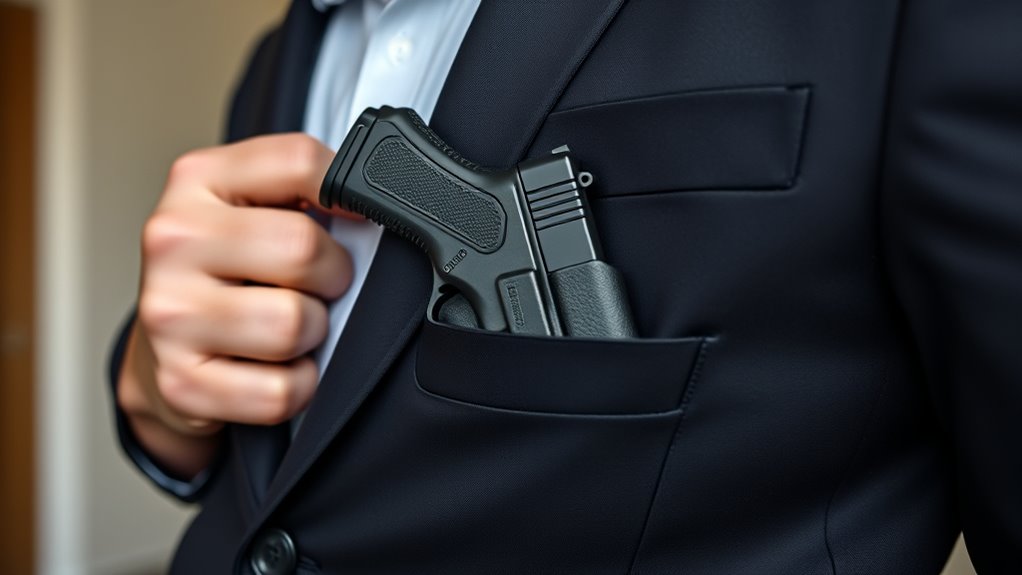
When it comes to carrying, pick a holster that’s specifically designed for suppressors. It should fit your carry position well and provide secure retention without sacrificing comfort.
Safety is key, so always prioritize safe handling and make regular practice a habit. Keep exploring different holsters and carry positions until you find what works best for you. That way, you can optimize both concealment and quick access when it matters most.
Key Takeaways
- Obtain a valid concealed carry permit and ensure the suppressor is federally registered with an ATF tax stamp.
- Always carry the ATF tax stamp when transporting the suppressed pistol to comply with legal requirements.
- Use holsters specifically designed to accommodate the added length and weight of a suppressor for secure and concealed carry.
- Select a carry position like appendix, back, or hip that balances concealment with quick and safe access to the suppressed pistol.
- Regularly train in safe drawing, handling, and reholstering techniques while staying informed of all relevant laws and restrictions.
Following these steps will help you carry responsibly and within the law. It’s all about being prepared and staying safe out there.
How to Legally Conceal Carry a Suppressed Pistol
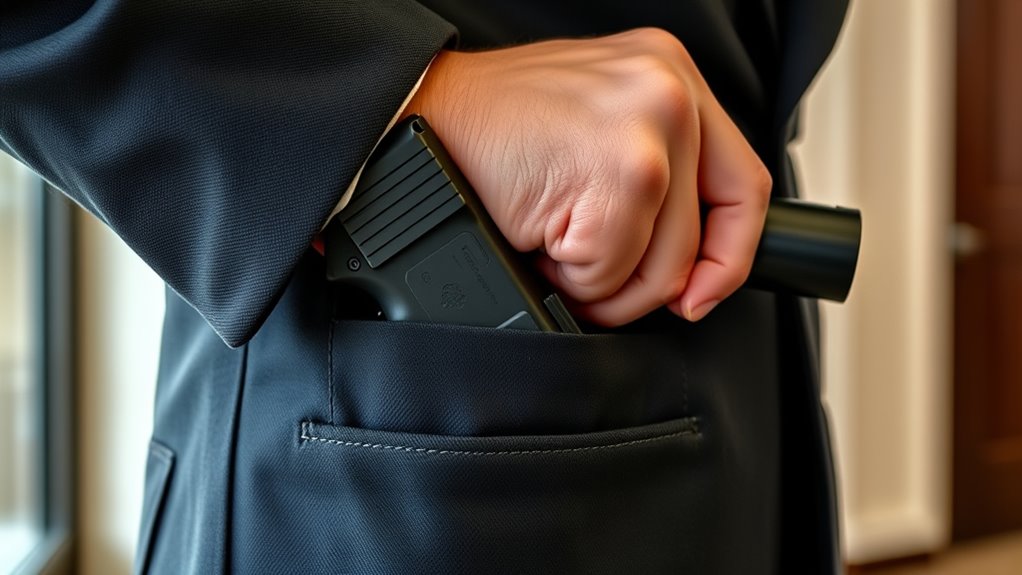
Before you carry a suppressed pistol concealed, you need to secure the proper federal NFA registration and a valid concealed carry permit. The suppressor, classified as an NFA item, must have legal registration with the ATF, and you should carry your tax stamp when transporting it.
Make sure you understand local transportation laws and verify your concealed carry position accommodates the size and weight of your suppressed pistol. Using a holster designed for suppressors is key to safely carrying your concealed pistol.
Also, always stay aware of restrictions on firearms in certain areas, even if you hold a concealed carry permit. Prioritize training and safety by regularly practicing drawing, handling, and reholstering your suppressed pistol.
This way, you’ll be sure to comply fully with all laws and carry responsibly.
Best Holsters and Carry Positions for Suppressed Pistols
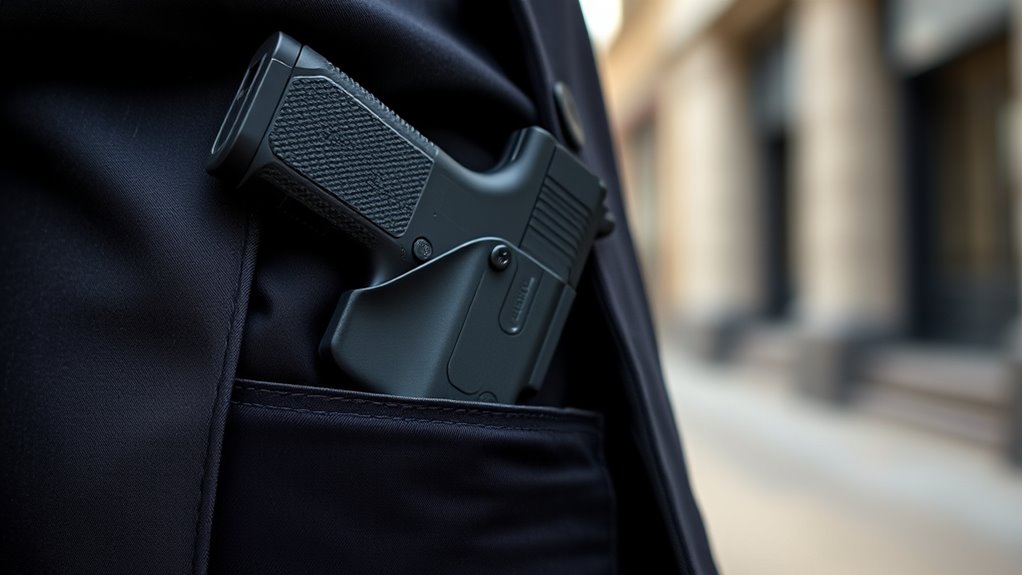
When carrying a suppressed pistol, choosing the right holster and carry position is essential to guarantee both concealment and quick access. Holsters for suppressed pistols feature suppressor accommodation with reinforced, longer openings to fit the added length.
An appendix carry holster offers excellent conceal carry and quick draw, but you need one designed to support the bulk of a suppressed pistol. Alternatively, a back carry holster reduces printing and improves discreetness, though drawing might be slower.
Holsters with adjustable retention help manage the increased size and weight securely. For comfort and accessibility, consider hip or thigh carry positions paired with specialized holster designs.
Frequently Asked Questions
Can I Conceal Carry a Suppressed Pistol?
Yes, you can legally conceal carry a suppressed pistol if you have the federal tax stamp, a valid concealed carry permit, and comply with your state’s laws. Make sure your holster fits the suppressor comfortably and safely.
Can the ATF Enter Your Home if You Own a Suppressor?
Yes, the ATF can enter your home if they have probable cause or a warrant, even if you legally own a suppressor. About 90% of searches require proper legal authority, so stay informed and compliant to protect your rights.
What Does “Mexican Carry” Mean?
“Mexican carry” means you’re carrying a firearm without a holster, usually tucked into your waistband. It’s risky because it lacks proper retention, increasing chances of dropping the gun or accidental discharge, and it’s often illegal.
How to Carry a Suppressed Handgun?
You carry a suppressed handgun using a holster designed for its size, choosing a comfortable concealed position like appendix or hip. Secure it tightly, wear loose clothing to avoid printing, and always follow local laws to stay legal.
Conclusion
Carrying a suppressed pistol legally isn’t just possible—it’s smarter than you might think. Did you know that over 30 states allow suppressor ownership with proper permits? By understanding local laws and choosing the right holster and carry position, you’ll stay both safe and discreet.
Remember, responsible ownership keeps you compliant and confident. So, gear up, follow the rules, and enjoy the benefits of quieter, safer concealed carry every time you step out.
Legal concealed carry with a suppressed pistol means knowing your state’s regulations inside and out. When you combine that knowledge with the right equipment and techniques, you create a safer environment for yourself and those around you. Embrace responsible firearm ownership, and experience the advantages of carrying a suppressed pistol that reduces noise without compromising safety.