How Long Can Fish Live Without Food?
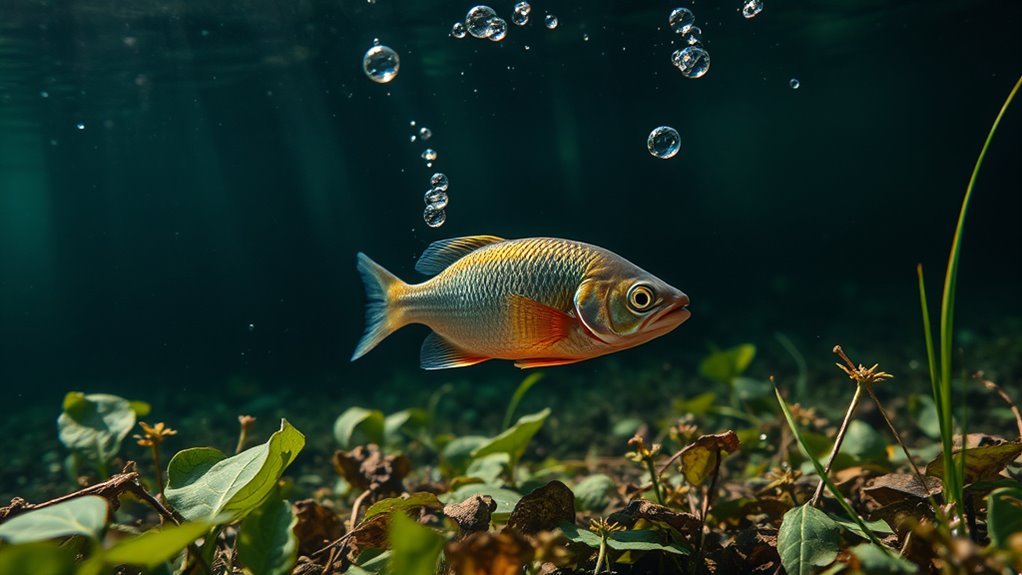
You can expect most healthy adult fish to live about three to five days without food, but how long fish can live without food depends on their species, size, and water temperature. Tropical fish with faster metabolisms need food more often, while cooler water helps fish last up to ten days.
Larger fish handle fasting better, but prolonged hunger stresses them and can harm their health. If you want to keep your fish healthy during absences, understanding their needs and care strategies will help.
How Long Can Fish Survive Without Food?
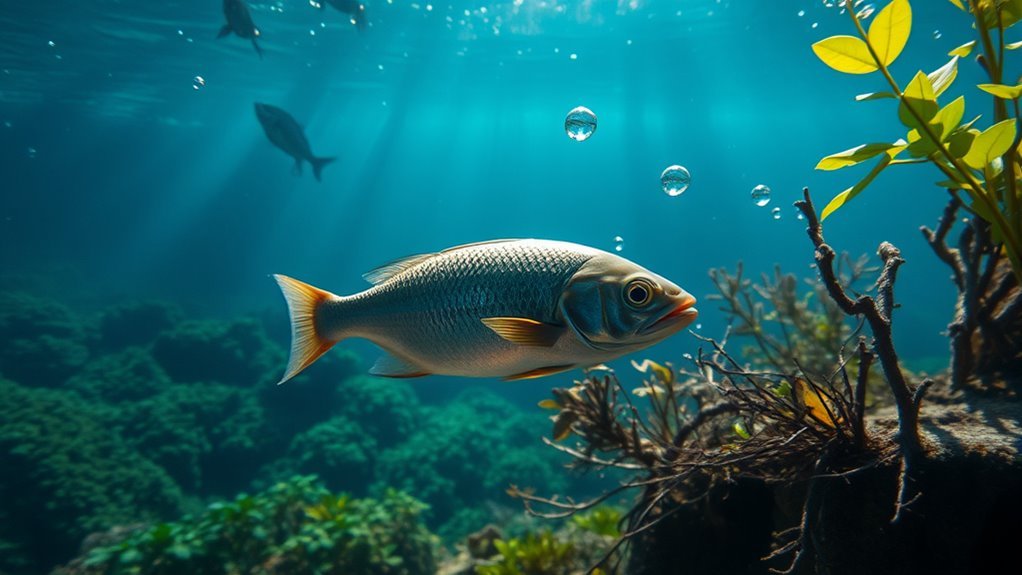
How long can your fish go without food? Most healthy adult fish can survive without food for about 3 to 5 days, but this varies by species and size. Fish with higher metabolisms, like tropical species, usually tolerate shorter fasting periods.
Cooler water temperatures can slow metabolism, allowing species such as goldfish and cichlids to survive up to 10 days without eating. In natural or well-maintained environments, fish often find natural food sources, helping them endure extended fasting more comfortably.
However, extended fasting beyond two weeks isn’t recommended, as it stresses fish and harms their health. Understanding how long your fish can safely survive without food helps you manage feeding schedules and ensures your aquatic pets stay healthy and stress-free.
Factors That Affect Fish Fasting Tolerance
Because fish metabolism varies widely, several factors influence how long your fish can tolerate fasting. Water temperature affects metabolism—warmer water speeds it up, requiring more frequent feeding. Small or juvenile fish have faster metabolisms and lower fasting tolerance, while larger, healthy fish store more energy.
Fish species matter too; herbivores and omnivores graze often and don’t handle fasting well. Stress, poor fish health, and water quality also reduce fasting tolerance, making consistent nutrition *vital*. Fish age influences energy needs, with younger fish demanding more frequent feeding.
| Factor | Impact on Fasting Tolerance |
|---|---|
| Water Temperature | Higher temps increase metabolism |
| Fish Size | Larger size means better energy reserves |
| Fish Species | Carnivores tolerate fasting better |
| Fish Health | Stress and illness lower fasting tolerance |
| Feeding Frequency | Frequent feeders have reduced fasting tolerance |
How to Tell If Your Fish Are Hungry
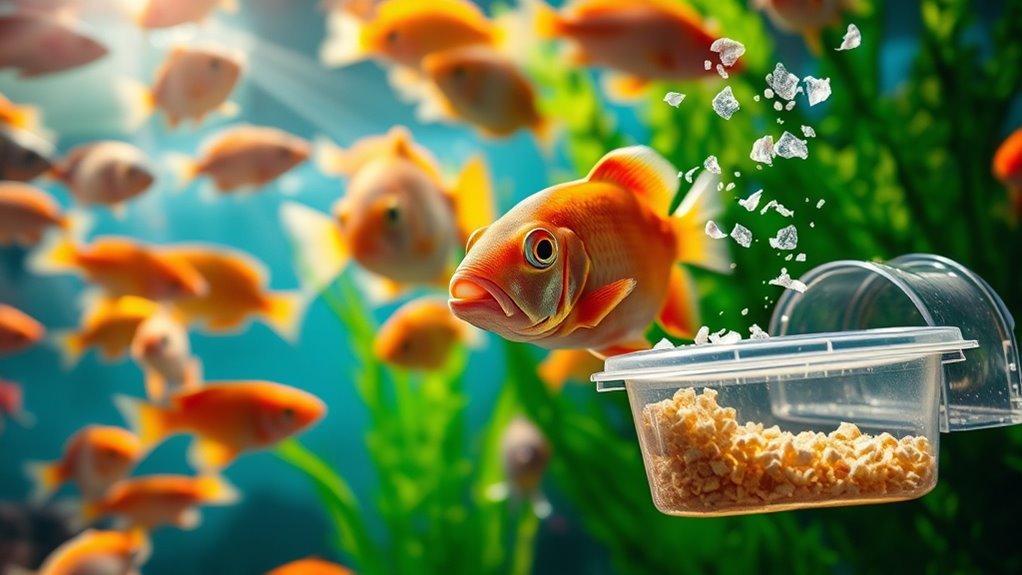
When your fish start darting around the tank or actively searching for food, they’re usually signaling hunger. You can spot signs of hunger through changes in their feeding behavior and fish activity. Look for behavioral cues like erratic swimming, chasing tank mates aggressively, or seeking food at the water surface.
A noticeable decrease in body weight or a sunken belly also indicates hunger or prolonged fasting. However, if your fish show refusal to eat or reduced appetite, it might signal stress rather than hunger. Monitoring these feeding habits and appetite changes helps you distinguish between hunger and signs of stress, ensuring you respond appropriately to your fish’s needs and maintain their health.
Managing Fish Feeding When You’re Away
If you plan to be away for a few days, you’ll need to prepare a reliable feeding plan to keep your fish healthy. Using automatic feeders or an automatic fish feeder can help maintain a consistent feeding schedule without manual feeding.
Vacation feeders are another option; they dissolve slowly, providing food for extended periods, usually up to a week.
If you rely on a friend or neighbor, give clear instructions to avoid overfeeding or missed meals.
Don’t forget to check all equipment like filters and heaters to ensure water quality remains stable during your absence.
For longer trips, consider hiring professional aquarium services to support fish survival and overall fish health.
Proper planning prevents stress and keeps your fish thriving while you’re away.
Top Tools and Tips for Feeding Fish During Absences
Ensuring your fish get fed properly during your absence requires the right tools and careful planning. An automatic feeder or automatic fish feeder is ideal for consistent feeding, dispensing pre-measured portions on a set schedule.
Before you leave, pre-measure the food to avoid overfeeding or underfeeding, which can harm proper nutrition.
Vacation feeders with slowly dissolving food work well for extended periods, releasing food steadily without daily intervention.
If your trip is longer, consider trusted pet sitters who understand fish care and feeding needs.
Regularly test and adjust your automatic feeder to prevent malfunctions.
Combining these tools and tips guarantees your fish receive proper nutrition and consistent feeding during absence, keeping them healthy until you return.
Frequently Asked Questions
How Does a Fish Act Before It Dies?
You’ll notice your fish acting lethargic, losing color, and swimming erratically before it dies. It might float at the surface or stay still for long periods, showing weak, abnormal behavior and reduced activity.
How Do You Feed Your Fish When You Go on Vacation?
You can use automatic feeders, vacation food blocks, or ask a friend to feed your fish. Pre-measure portions and check equipment before leaving to keep your fish healthy and well-fed while you’re away.
Do Fish Recognize Their Owner?
Think of your fish as a tiny detective—they do recognize you! They remember your face and scent, responding enthusiastically when you approach.
This recognition is especially strong if you’ve built trust through consistent feeding and gentle interaction over time.
Can Fish Survive 24 Hours Without Food?
Yes, your fish can easily survive 24 hours without food. They use stored energy, so occasional fasting won’t harm them.
In fact, it can help prevent overfeeding and keep them healthier overall.
Conclusion
When it comes to your fish going without food, remember they can hang in there longer than you might think, but don’t push your luck. Factors like species, age, and water temperature play a big role in how long they can fast.
If you’re heading out, plan ahead and use reliable feeding tools to keep them happy and healthy. After all, it’s better to be safe than sorry when caring for your finned friends.
Understanding how long fish can live without food helps ensure their well-being and keeps your aquarium thriving. Proper fish care means knowing their limits and providing consistent nutrition.