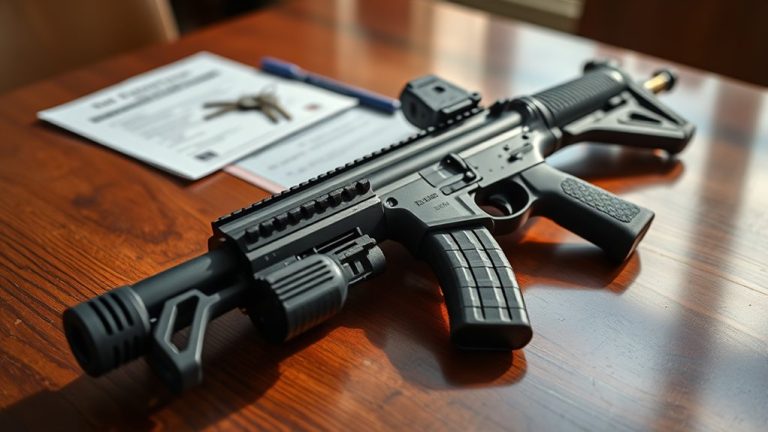
How Much Does a Rifle Weigh – A Guide to Measuring Weight
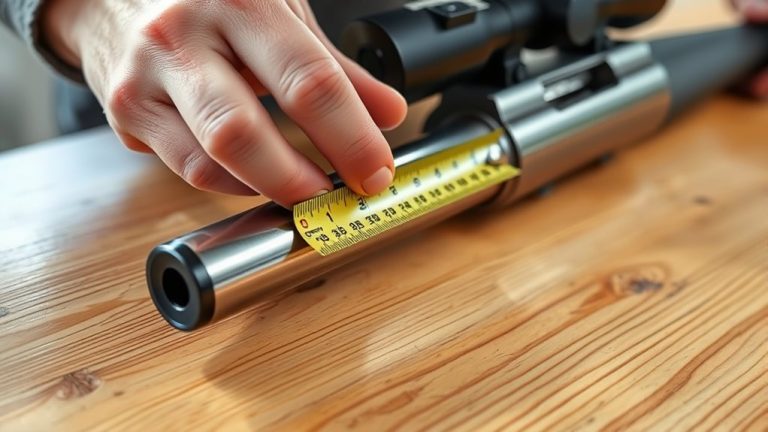
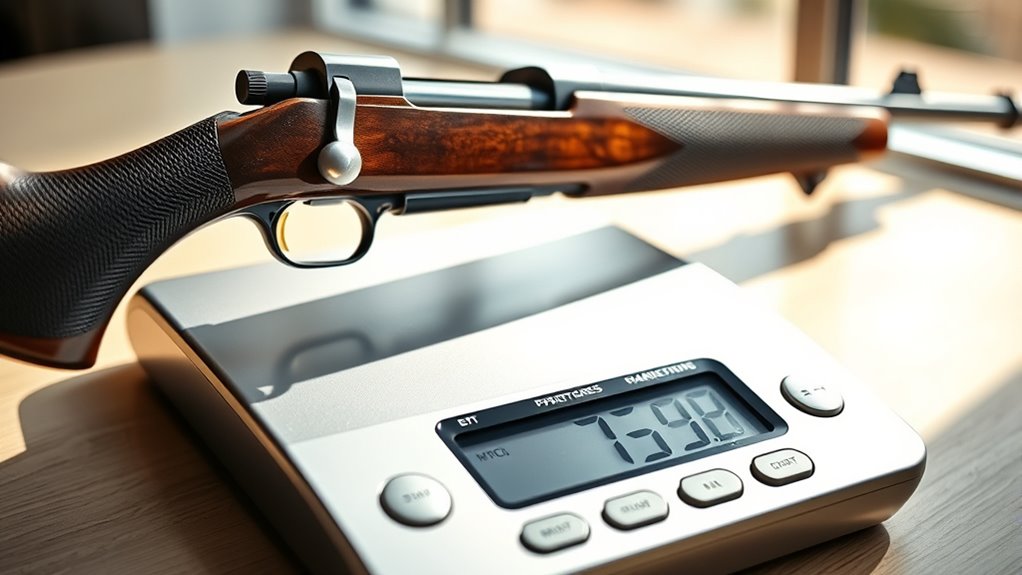
You’ll want to use a precise, calibrated digital scale to measure your rifle’s true weight, including all accessories for an accurate field figure.
Getting this right is key because knowing exactly how much your rifle weighs helps you handle it better out in the field.
Weigh it gently on a stable surface, preferably at the same time and under similar conditions each time.
Taking multiple measurements and averaging them will give you the most reliable result.
Remember, factors like barrel type, stock material, and accessories can add pounds.
Understanding these details helps you balance weight and performance perfectly.
Keep exploring to master how different elements affect your rifle’s feel and handling.
It’s all about finding that sweet spot where comfort meets functionality.
Key Takeaways
- Rifle weight varies based on barrel type, stock material, and action. It typically ranges from 6 to 12 pounds.
- For an accurate field weight measurement, use a calibrated digital or postal scale with all accessories attached. This ensures you get a true reading.
- Weigh rifles consistently at the same time and under the same conditions. Take multiple readings to average out minor fluctuations—this helps keep things precise.
- Modern materials and skeletonized parts reduce rifle weight without compromising accuracy or durability. It’s pretty cool how technology helps here.
- Accurate weight measurement helps optimize rifle balance, handling, and suitability for specific shooting needs. Knowing the weight really makes a difference.
How to Weigh Your Rifle: Tools, Techniques, and Tips
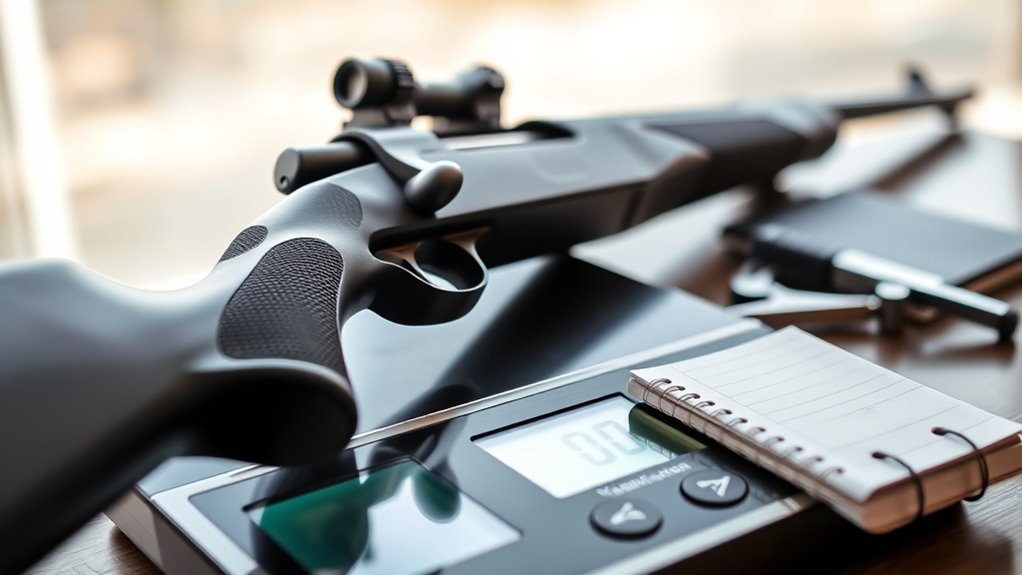
When you want an accurate rifle weight, use a precise postal or digital scale that’s regularly calibrated. Calibration ensures your scale provides consistent, reliable readings for every measurement.
For precise rifle weight, always use a calibrated postal or digital scale to ensure consistent, reliable measurements.
For true field weight, weigh your rifle with all accessories attached—scope, sling, and ammunition included. Place the rifle gently on the scale, making sure it’s stable and not tilting or shifting. That way, you get an exact reading.
To keep things consistent, try to weigh the rifle at the same time of day and under similar conditions. Use proper weighing techniques by taking multiple measurements and averaging them. This helps account for any minor fluctuations.
These tips will help you get an accurate measurement, giving you confidence in your rifle weight and how it will perform in the real world.
Key Factors That Affect Rifle Weight and Why They Matter
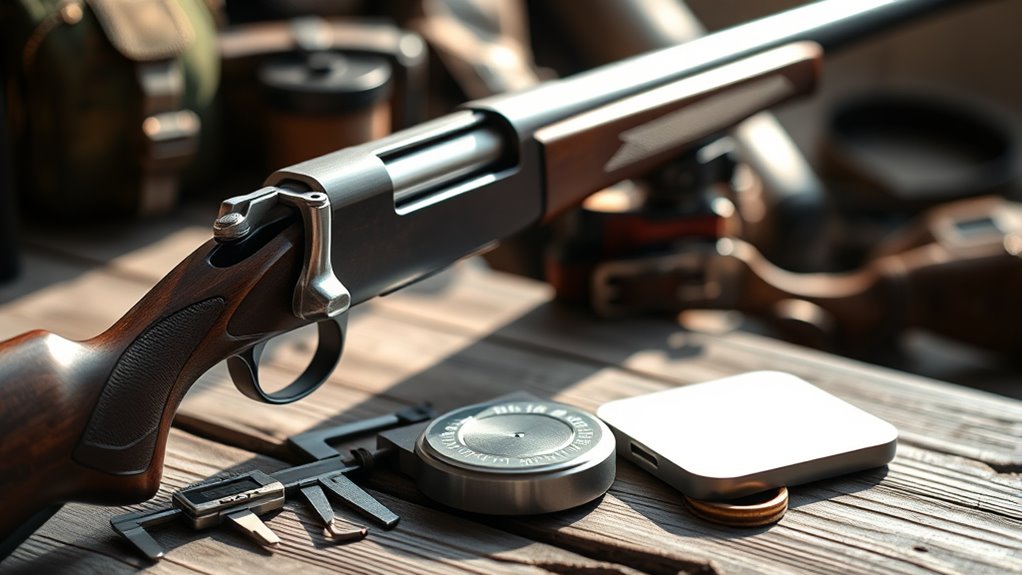
Although it might seem straightforward, several key factors can considerably affect your rifle’s weight and, ultimately, how it feels and performs in the field.
The contour and material of the barrel play a big role in rifle weight. Options like pencil, sporter, or bull barrels can really influence the overall weight.
Stock materials, from wood to carbon fiber, also shape the weight range. And don’t forget the type of action—steel or titanium—which affects the weight of a rifle chambered for your needs.
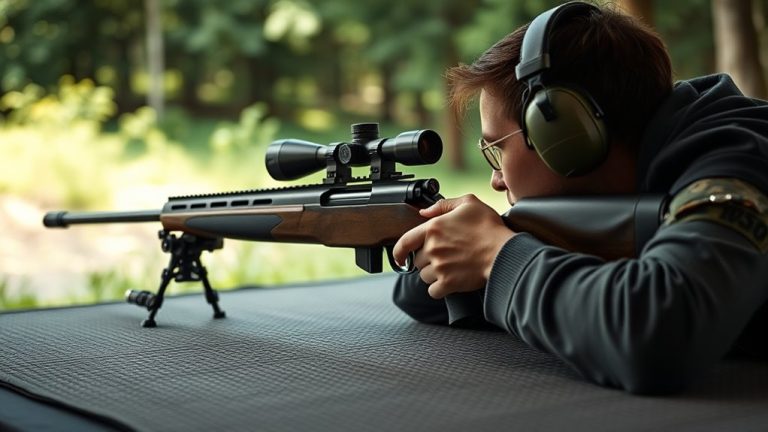
Accessories matter too. Scopes and bipods add pounds that impact the weight of scoped rifles and the balance point.
Choosing a lighter rifle with skeletonized parts or modern materials helps reduce rifle weights without compromising durability or the impact on accuracy. It’s all about finding the right balance for you.
Frequently Asked Questions
Is 7.5 Lbs Heavy for a Rifle?
No, 7.5 lbs isn’t too heavy for a rifle. You’ll find it manageable for most hunting trips, especially if you’re used to carrying gear. But if you prefer ultralight setups, it might feel a bit heavy.
Is a 10 Pound Rifle Heavy?
Yes, a 10-pound rifle is heavy for most hunters. You’ll feel fatigue quicker during long hikes or extended use, and it’s less suited for quick movements or rugged terrain where lighter rifles perform better.
How Much Does a Standard Rifle Weigh?
A standard rifle usually weighs between 7 and 8 pounds. You’ll find most bolt-action rifles with synthetic stocks fall into this range, balancing weight and stability for versatile use without feeling too heavy or cumbersome.
Is 6 Pounds Heavy for a Rifle?
No, 6 pounds isn’t heavy for a rifle. You’ll find it lightweight and easy to carry, striking a great balance between portability and recoil control, especially if you’re hunting or need something manageable for long periods.
Conclusion
Now that you know how to weigh your rifle and what affects its weight, think about this—what does that number really mean for you? It’s not just pounds on a scale; it’s your comfort, your accuracy, your edge in the field.
So next time you pick up your rifle, ask yourself: is it truly ready to perform the way you need it to? The answer could change everything.
Understanding the weight of your rifle helps you make smarter choices about what to carry and how to carry it. Whether you’re hunting, target shooting, or in tactical situations, the right rifle weight impacts your endurance and shooting precision.
Keep in mind, a lighter rifle might be easier to handle but could affect stability, while a heavier one might offer better accuracy but tire you out faster. Balancing these factors is key to getting the most out of your firearm.
In the end, knowing how much your rifle weighs isn’t just about numbers—it’s about optimizing your performance and comfort in the field. So, weigh your rifle wisely and choose the setup that fits your needs perfectly.