How Does a Semi Automatic Pistol Work Step by Step
When you pull the trigger on a semi-automatic pistol, it fires one shot by releasing the hammer or striker to ignite the cartridge. The expanding gases push the bullet out and drive the slide backward, ejecting the spent casing. This process is what makes semi-automatic pistols quick and efficient.
Next, the recoil spring pushes the slide forward again, chambering a new round from the magazine. This means the pistol is ready to fire another shot without you having to manually reload each time.
You have to release and pull the trigger again for each shot, which keeps things controlled and precise.
Keep following to uncover how the slide, recoil spring, and magazine work together to keep it running smoothly. It’s pretty fascinating once you see how all these parts coordinate with each other!
Key Takeaways
- Pulling the trigger releases the hammer or striker. This causes the firing pin to strike the cartridge primer and ignite the bullet.
- The expanding gases then propel the bullet through the barrel. At the same time, these gases drive the slide rearward to eject the spent casing.
- As the slide moves back, the recoil spring compresses. Once compressed, it pushes the slide forward to chamber a fresh round from the magazine.
- The extractor removes the spent casing, while the ejector expels it during the slide’s rearward motion.
- Finally, the slide locks into battery, resetting the pistol and trigger for the next shot. You’ll need to release and pull the trigger again for each fire.
Automatic vs Semi-Automatic Pistols: What You Need to Know
While both automatic and semi-automatic pistols use similar mechanisms to cycle rounds, they operate very differently when it comes to firing.
In a semi-automatic pistol, you get one shot per trigger pull. When you press the trigger, the round fires, and the slide moves back, ejecting the spent casing and chambering a new round.
The trigger resets during this cycle, so you have to release and pull it again for the next shot.
Automatic pistols, on the other hand, keep firing as long as you hold the trigger down because their fire-control system allows continuous cycling without additional pulls.
So, with a semi-auto, you control each shot. But an automatic pistol fires repeatedly with one trigger hold.
Understanding this difference is key before diving into semi-automatic pistol operation.
How a Semi-Automatic Pistol Fires Each Round
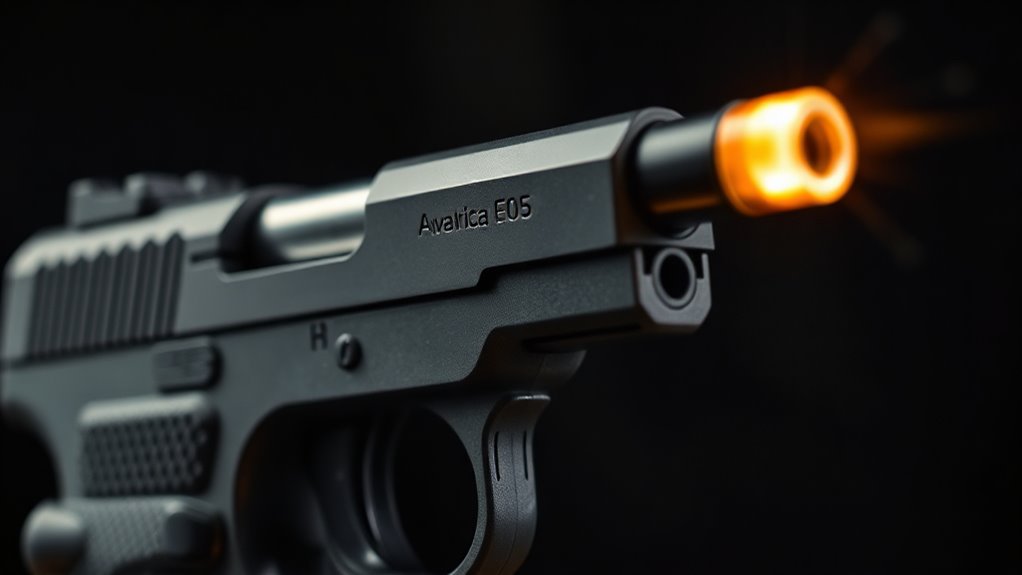
Understanding the distinction between automatic and semi-automatic pistols helps you appreciate how each shot is carefully handled in a semi-automatic. When you fire a round, the pistol cycles through a specific sequence to prepare for the next shot.
Here’s how it works:
- Expanding gas from the fired cartridge pushes the slide rearward, cycling the action.
- The extractor pulls the spent casing from the chamber while the ejector throws it out.
- The slide moves forward, stripping a fresh cartridge from the magazine and chambering it.
- The firing mechanism resets, ready for you to press the trigger again.
This design ensures that one trigger pull equals one shot. So, you need to press the trigger each time you want to fire.
Trigger Mechanism: What Happens Inside the Pistol
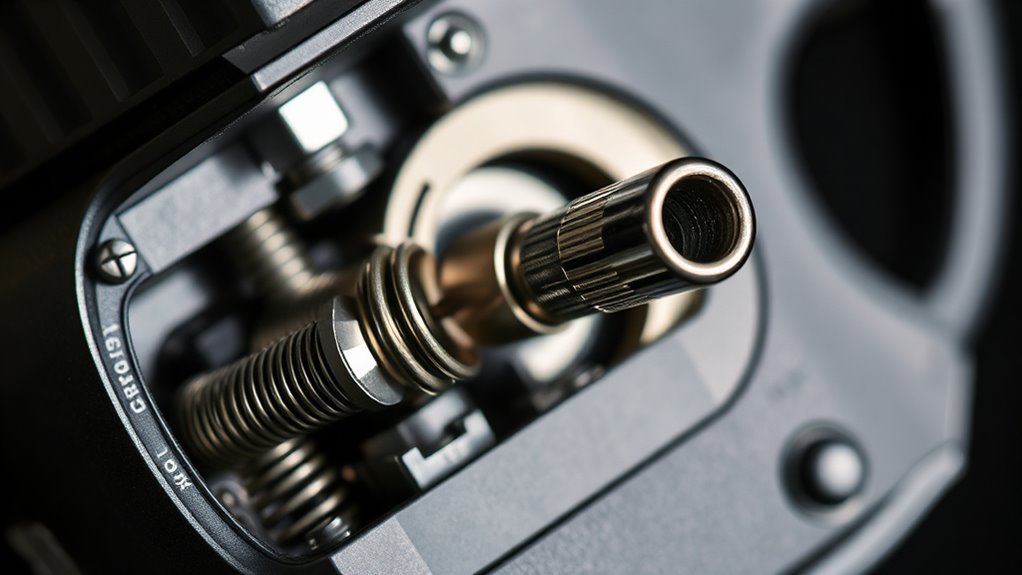
When you pull the trigger, you’re actually releasing the sear, which lets the firing pin or hammer move forward to ignite the cartridge. This precise sequence guarantees the shot fires exactly when you want it to.
Understanding how the trigger pull connects to the hammer release helps you see what’s going on inside the pistol each time you shoot. It’s pretty neat once you break it down!
Trigger Pull Mechanics
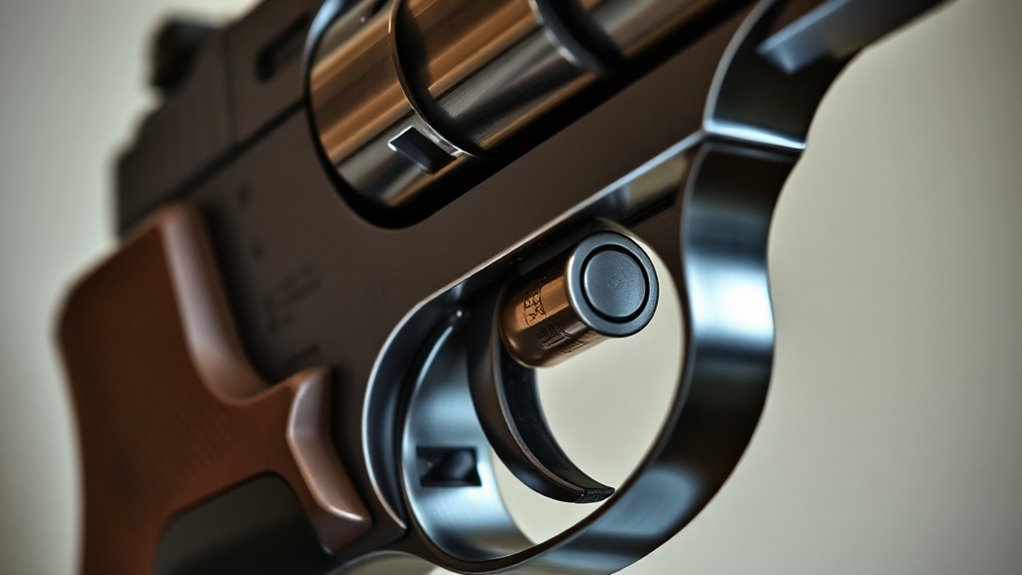
As you pull the trigger, the trigger bar moves rearward and releases the hammer or striker. This lets it fall forward under spring tension.
That action sets off a precise chain of events inside the pistol.
First, the hammer or striker hits the firing pin, getting the pistol ready to ignite the cartridge. Then, the firing pin strikes the cartridge’s primer, causing it to ignite.
Once the primer ignites, it burns the propellant, which produces gas pressure. This pressure forces the bullet out of the barrel.
At the same time, the gas pressure cycles the slide rearward. This compresses the recoil spring and ejects the spent casing.
When the slide moves back forward, it chambers a new round. This gets the pistol ready for your next shot.
Every pull of the trigger resets the mechanism, making sure the pistol fires smoothly and semi-automatically.
Firing Pin Activation
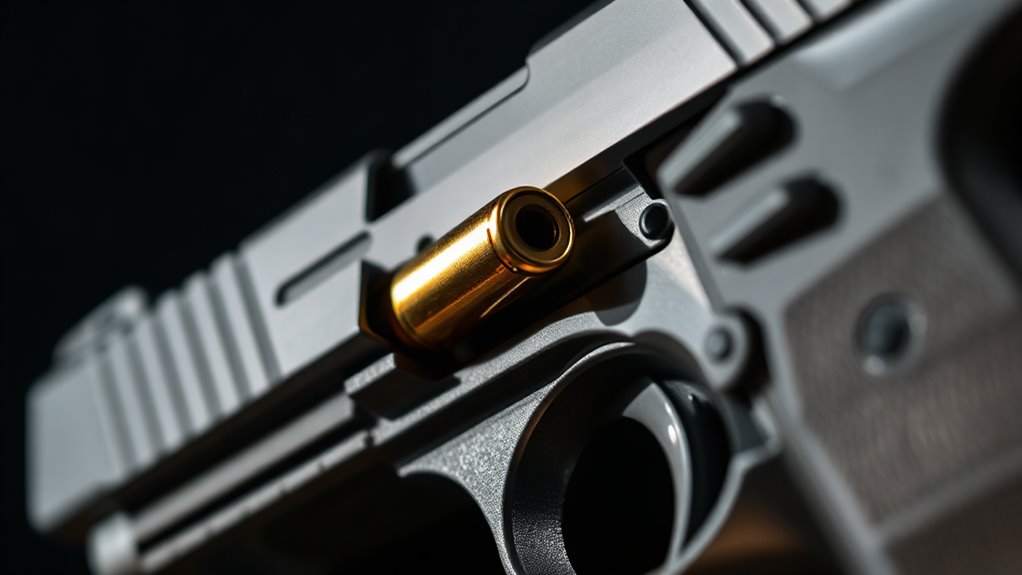
Once you pull the trigger, it releases a spring-loaded mechanism that propels the firing pin forward to strike the cartridge’s primer. This impact ignites the primer, causing the propellant inside the cartridge to burn rapidly and create expanding gas.
That gas drives the bullet through the barrel while also generating pressure that initiates the pistol’s recoil-operated cycling. This cycling moves the slide rearward and forward, ejecting the spent cartridge case and chambering a new round from the magazine.
Meanwhile, the firing pin is re-cocked and reset to its ready position, preparing for the next shot. Since a semi-automatic pistol fires only once per trigger pull, the trigger and firing pin must reset before you can fire again.
Hammer Release Process
Pulling the trigger causes the trigger bar to rotate, releasing the sear and letting the hammer fall forward. Here’s what happens next in the hammer release process:
First, the hammer strikes the firing pin, driving it into the primer to ignite the cartridge. Then, the primer ignites the powder, creating gas pressure that propels the bullet out of the barrel.
Next, the recoil energy cycles the action, freeing the breech and pushing the slide rearward. As the slide returns, it re-cocks the hammer and chambers a new round from the magazine.
This sequence makes sure your semi-automatic pistol is ready to fire again with each trigger pull. It’s a smooth blend of mechanical precision and rapid cycling.
How the Slide Cycles to Eject and Reload
When you pull the trigger, the slide moves backward, releasing the barrel and ejecting the spent cartridge.
As the slide reaches the end of its rearward travel, the recoil spring pushes it forward, loading a fresh round from the magazine.
This cycle gets your pistol ready to fire again, smooth and easy.
Slide Movement Mechanics
The slide on a semi-automatic pistol moves backward as the expanding gas from the fired cartridge pushes it. This compresses the recoil spring and extracts the spent casing from the chamber.
That backward movement sets off a precise sequence to get the pistol ready for the next shot.
First, the slide keeps moving rearward, fully pulling out the spent casing. Then, it reverses forward, powered by the energy stored in the recoil spring.
As it slides forward, it strips a fresh cartridge from the magazine. The slide chambers the new round and locks into battery, resetting the trigger for the next shot.
This whole cycle makes sure each trigger pull fires exactly one round. That’s what makes the pistol semi-automatic and ready for quick, reliable follow-up shots.
Ejection Process Explained
After each shot, you’ll notice the slide rapidly moves backward, powered by the recoil. As it moves, the extractor hooks onto the spent casing, pulling it out of the chamber.
When the casing reaches the ejector, the ejector pivots it outward, throwing it through the ejection port. This clears the chamber for the next round.
Meanwhile, the recoil spring compresses near the slide’s rearward limit, storing energy to push the slide forward again. On its return, the magazine spring pushes a fresh cartridge up to the feed lips.
The slide then strips this new round from the magazine and chambers it by pushing it into the barrel. Finally, the slide locks forward, readying the pistol for the next shot.
Reloading Cycle Steps
You’ve seen how the slide moves backward to eject the spent casing, but it doesn’t stop there. The slide’s movement is essential for reloading the pistol efficiently.
Here’s how the reloading cycle works:
- The slide moves rearward, extracting and ejecting the spent cartridge as the extractor pivots it out.
- As the slide continues back, it compresses the recoil spring and aligns the next cartridge in the magazine with the feed path.
- The recoil spring then pushes the slide forward, stripping a fresh round from the magazine and chambering it.
- Near the end of the forward stroke, the slide locks in battery, resetting the trigger mechanism and preparing the pistol to fire again.
This seamless cycle lets you shoot repeatedly with each trigger pull. Pretty neat, right?
How the Recoil Spring Helps Your Pistol Work
Although it may seem like a simple part, the recoil spring plays a significant role in your pistol’s operation by absorbing the kick after each shot and utilizing that stored energy to cycle the next round.
When you fire, the slide moves rearward, compressing the recoil spring. This compression stores energy, which the spring then releases, driving the slide forward.
Firing pushes the slide back, compressing the recoil spring, which then releases energy to cycle the next round.
As the slide moves ahead, it chambers a fresh cartridge by moving it into the barrel. The recoil spring also controls the slide’s speed and timing to ensure your pistol reliably extracts the spent casing and readies for the next shot.
Its strength and length are precisely matched to your pistol’s mechanics, making sure the slide resets properly for the next trigger pull. It’s pretty clever how this little spring keeps everything running smoothly, isn’t it?
How the Magazine Feeds the Next Cartridge
When the slide moves back after a shot, the magazine spring pushes the next cartridge upward. This positions it perfectly for the slide to strip and chamber.
Here’s how the magazine feeds the next cartridge:
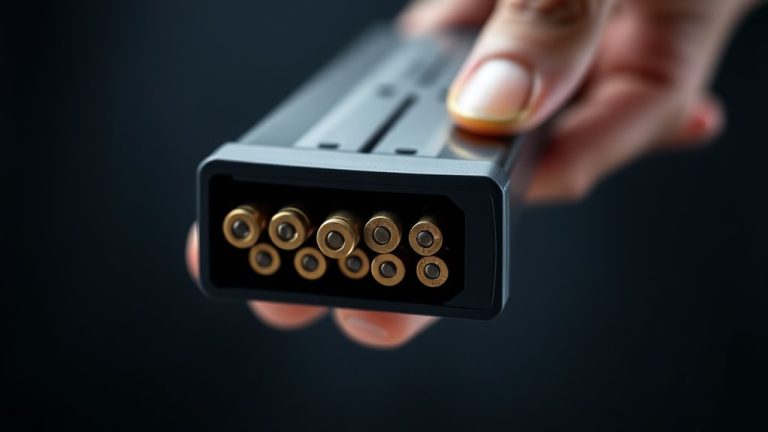
- The magazine’s follower and spring push the top round to the feed lips.
- As the slide moves forward, it strips the cartridge from the magazine.
- The cartridge is guided by the feed ramp into the chamber, aligning it properly.
- The extractor snaps over the cartridge rim, securing it as the slide closes fully and locks.
With the cartridge fully seated, the pistol is ready to fire again. The remaining rounds stay stacked under the follower, just waiting to feed the next shot smoothly.
Common Misconceptions About Semi-Automatic Pistols Explained
Many people misunderstand how semi-automatic pistols operate, often assuming they fire continuously or without repeated trigger pulls.
But actually, you have to press the trigger for every shot. The pistol uses the energy from firing to cycle the slide, which ejects the spent casing and chambers the next round automatically.
However, it won’t keep firing unless you keep pulling the trigger. This is different from fully automatic firearms, which keep shooting as long as the trigger stays pressed.
Semi-automatic pistols don’t have any built-in targeting system or continuous firing capability. So, understanding this helps you realize that each shot is deliberate.
The design simply makes follow-up shots quicker and smoother—not automatic.
Common Issues and Troubleshooting for Semi-Automatic Pistols
Understanding how your semi-automatic pistol cycles and fires is key to spotting issues when it doesn’t operate smoothly. Common problems like stovepipes, failure to feed, and failure to eject usually stem from specific causes such as weak recoil springs, dirty chambers, or magazine tension issues.
Here’s how to troubleshoot effectively:
- Clean the feed ramp and chamber thoroughly to ensure smooth feeding.
- Inspect the extractor and ejector for damage or lack of tension.
- Check the recoil spring condition; replace it if worn or after recommended round counts.
- Verify magazine spring strength and test with known-good ammunition to avoid live-fire guesswork.
Following these steps helps maintain reliability and safety while keeping your pistol functioning properly. It’s all about staying on top of maintenance so you avoid surprises when you need your pistol the most.
Frequently Asked Questions
How Do I Safely Clean a Semi-Automatic Pistol?
You should first make sure the pistol is unloaded, remove the magazine, and clear the chamber. Then, disassemble it according to the manual.
Clean each part with proper solvent, dry thoroughly, and reassemble carefully before function testing. Taking your time here really helps ensure everything goes smoothly.
What Types of Ammunition Are Best for Semi-Automatic Pistols?
You might think any ammo works, but you should choose hollow-point rounds for self-defense and full metal jacket for target practice. They feed reliably, reduce recoil, and maximize performance in your semi-automatic pistol.
It’s all about picking the right type for what you need. Hollow-points help stop a threat more effectively, while full metal jackets are great for practice without breaking the bank.
How Do I Properly Store a Semi-Automatic Pistol?
You should store your semi-automatic pistol unloaded in a locked, secure safe or lockbox. Keep ammunition separate, in a cool, dry place.
Using a gun lock adds an extra layer of safety. And remember, always follow local laws and regulations.
Can Semi-Automatic Pistols Be Easily Customized or Upgraded?
You can easily dress up your semi-automatic pistol like a blank canvas, swapping grips, sights, and triggers. With countless aftermarket parts, you’ll tailor its performance and look to fit your personal style and shooting needs.
It’s pretty straightforward to make changes that suit you. Whether you want better accuracy or just a cooler look, there’s plenty out there to choose from.
What Are the Legal Requirements for Owning a Semi-Automatic Pistol?
You’ll need to meet age requirements, pass background checks, and sometimes complete safety courses depending on your state or country. Licensing, registration, and waiting periods often apply, so check local laws before owning a semi-automatic pistol.
It’s always a good idea to double-check what your specific area requires since rules can vary a lot. Staying informed helps you stay on the right side of the law and ensures safe ownership.
Conclusion
Now that you understand how a semi-automatic pistol works step by step, you’re equipped with more knowledge than most gun owners have in a lifetime. Every part inside works in perfect harmony—from the trigger to the recoil spring—to keep you firing smoothly and safely.
With this insight, you’ll never see your pistol as just a tool but as a finely tuned machine that demands respect and care. Knowing how a semi-automatic pistol functions helps you appreciate its design and operation more deeply. Stay sharp, shoot smart, and always remember that safe handling is key to responsible firearm ownership.