What Does Single Action Pistol Mean?
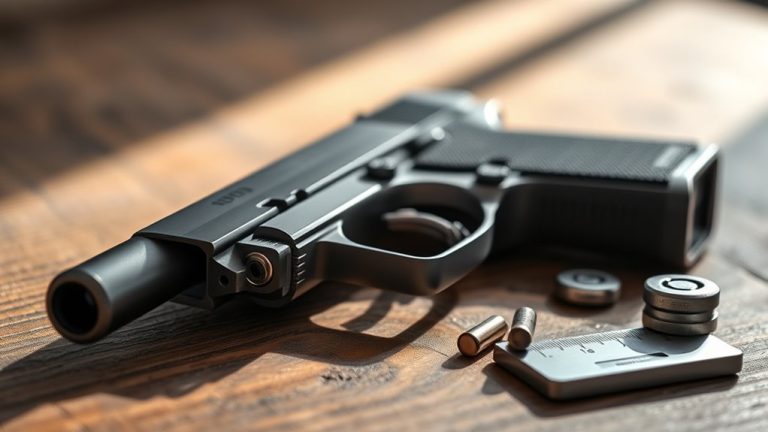
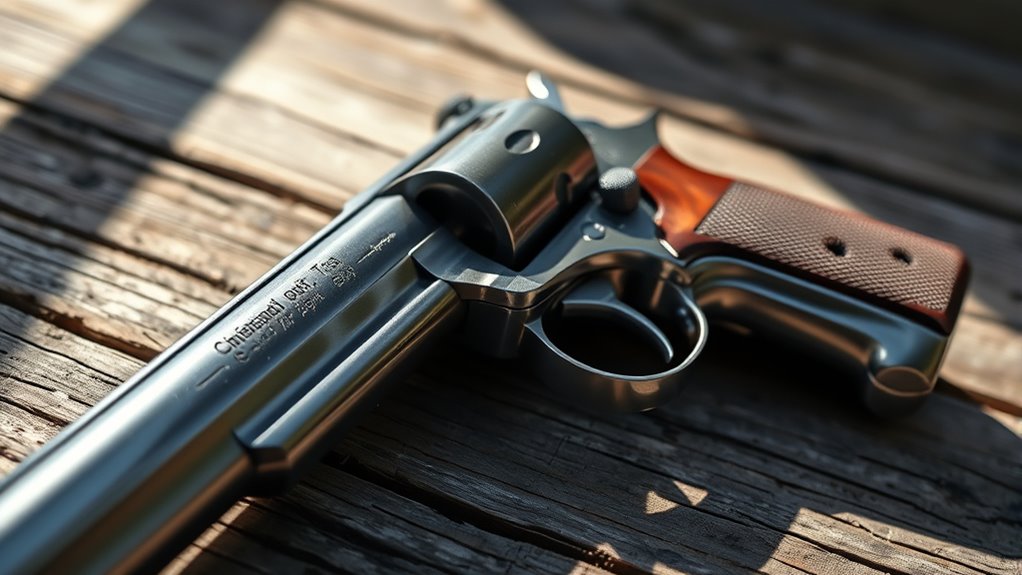
A single-action pistol means you have to manually cock the hammer before you fire. This action sets the pistol up to shoot by pulling back the hammer yourself.
When the hammer is cocked, pulling the trigger only releases it, which gives you a light and crisp trigger pull. This lighter pull helps improve your accuracy because it requires less force and movement.
However, there’s a catch. That extra step of cocking the hammer takes more time and needs careful handling. It’s not just about pulling the trigger; you have to be deliberate and trained to use it safely and effectively.
So, while a single-action pistol offers precise shots, it’s important to understand both its benefits and drawbacks before deciding if it’s right for you. Interested in learning more? There’s definitely more to explore about how these pistols work.
Key Takeaways
- A single-action pistol requires you to manually cock the hammer before each shot. The trigger only releases the hammer; it doesn’t cock it for you.
- You can cock the hammer either by using your thumb or by racking the slide. Once cocked, the pistol is in a “cocked and locked” state, ready to fire.
- Single-action pistols give you a short, light, and precise trigger pull. This usually helps improve your shooting accuracy.
What Are Single-Action Pistols and How Do They Work?
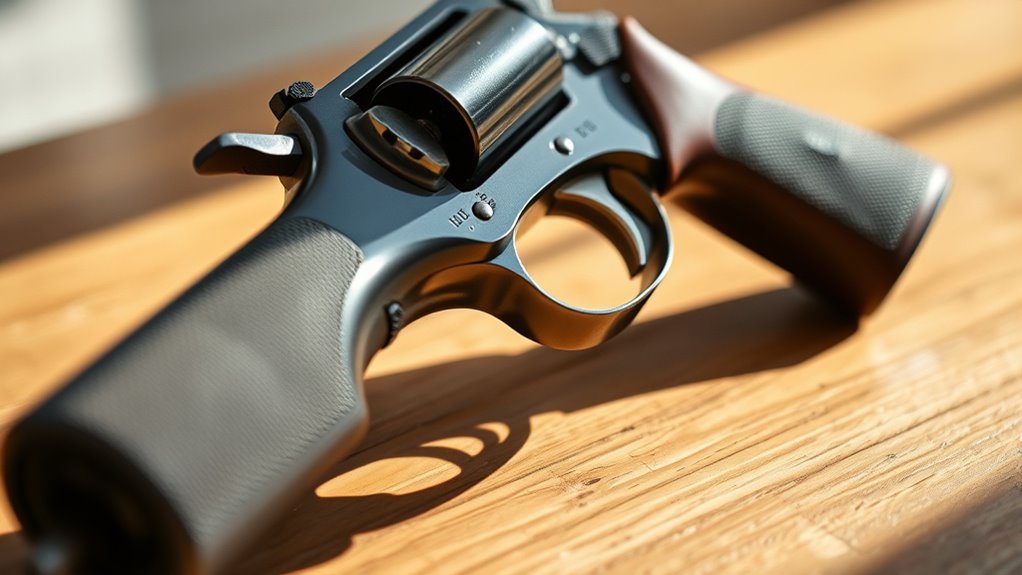
Although single-action pistols require you to manually cock the hammer before firing, they offer a short, light trigger pull that enhances control and accuracy.
Single-action pistols need manual hammer cocking but deliver a light, precise trigger pull for improved accuracy.
In a single-action firing mechanism, the trigger pull only releases the hammer; it doesn’t cock it. You manually cock the hammer either by thumb or by racking the slide in semi-automatic models, putting the pistol in a cocked and locked state.
This manual cocking readies the pistol for firing, allowing a crisp trigger release with minimal effort. Because of this crisp trigger and light trigger pull, you gain precise control over each shot.
The extra step of cocking the hammer may seem slower, but it guarantees you’re deliberate with every trigger pull. Many shooters appreciate this for both accuracy and safety.
Pros and Cons of Single-Action Pistols for Self-Defense
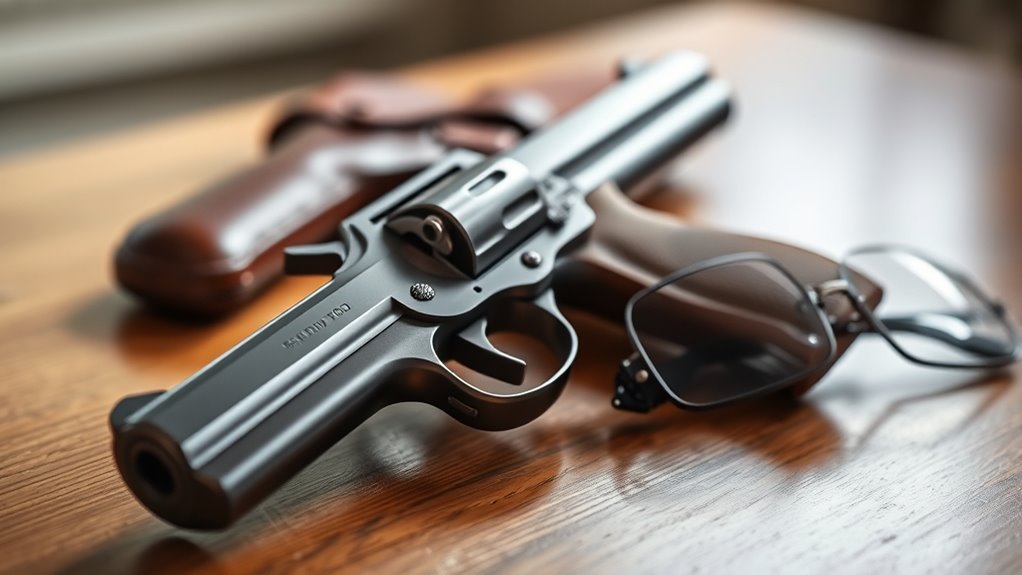
When you rely on a single-action pistol for self-defense, you benefit from a lighter, crisper trigger pull that can enhance your accuracy and shot control.
The single-action trigger’s lighter trigger pull improves your shot precision but requires manual cocking before each shot, which can slow your response time. Here are the key pros and cons to consider:
- Pros: Improved accuracy and shot control thanks to the lighter trigger pull and crisp single-action trigger.
- Cons: Manual cocking adds steps, potentially reducing response time in high-stress situations.
- Safety: Proper firearm handling, training, and trigger safety are essential to prevent accidents despite the shorter trigger pull.
In short, single-action pistols reward skilled users but demand thorough training for effective and safe self-defense use. It’s definitely worth putting in the time to get comfortable if you choose this type of pistol.
Frequently Asked Questions
What Is the Point of a Single-Action Pistol?
The point of a single-action pistol is to give you a light, crisp trigger pull that improves your accuracy and control. You’ll enjoy faster, more precise shots, especially during target shooting or hunting.
What Is the Difference Between Double and Single-Action Pistols?
You’ll notice double-action pistols cock and fire with one trigger pull, while single-action pistols need manual cocking first, giving you a lighter trigger pull. This affects safety and shooting feel depending on your preference.
Is a Glock a Single-Action Pistol?
You might think a Glock isn’t single-action since it lacks an external hammer, but it actually operates like one. Its striker is pre-cocked, so when you pull the trigger, you’re releasing a ready-to-fire mechanism.
Is One Action Better for Concealed Carry?
It depends on your training and comfort. Single-action offers a lighter trigger, improving accuracy, but double-action provides a heavier pull, reducing accidental shots. Choose what you can handle safely and confidently for concealed carry.
Conclusion
When you pick up a single-action pistol, it’s like starting a classic car—you need that first deliberate pull to get things moving. Just like a vintage engine, it requires precision and care but rewards you with smooth, reliable performance.
For self-defense, knowing this can make all the difference. With practice, your single-action pistol becomes a trusted partner, ready to respond quickly and confidently when it matters most.
Understanding what a single-action pistol means helps you appreciate its unique mechanics. It’s all about that initial cocking of the hammer before each shot, which sets it apart from other types of handguns. This design offers a crisp, light trigger pull, improving accuracy once you’re familiar with it.
So, when you train with your single-action pistol, you’re building muscle memory and confidence. That way, in a high-pressure situation, your pistol will perform reliably. In conclusion, a single-action pistol is not just a firearm; it’s a precise tool that, with practice, becomes an extension of your self-defense strategy.