What Is a Striker-Fired Pistol?
A striker-fired pistol uses a spring-loaded firing pin called a striker inside the slide instead of an external hammer.
When you rack the slide, it partially or fully cocks the striker, storing tension.
Pulling the trigger either completes cocking or releases the striker to ignite the primer, firing the gun.
This design gives you a consistent, smooth trigger pull and a low-profile frame for easier handling.
Because the striker is internal, the pistol often feels simpler and quicker to use.
Keep exploring to understand its benefits and safety considerations.
You’ll find that striker-fired pistols are popular for their reliability and ease of use, making them a favorite among many shooters.
Key Takeaways
- A striker-fired pistol uses a spring-loaded firing pin called a striker instead of an external hammer. The striker is partially or fully cocked by racking the slide, which stores spring tension for firing.
- When you pull the trigger, it completes or releases the striker, causing it to hit the primer and fire the cartridge. This design gives you a consistent, smooth trigger pull with fewer parts to worry about.
- Because there are fewer parts, these pistols need less maintenance. Plus, they have a low-profile design that makes them reliable and perfect for concealed carry.
How Striker-Fired Pistols Work (And Why You Should Care)
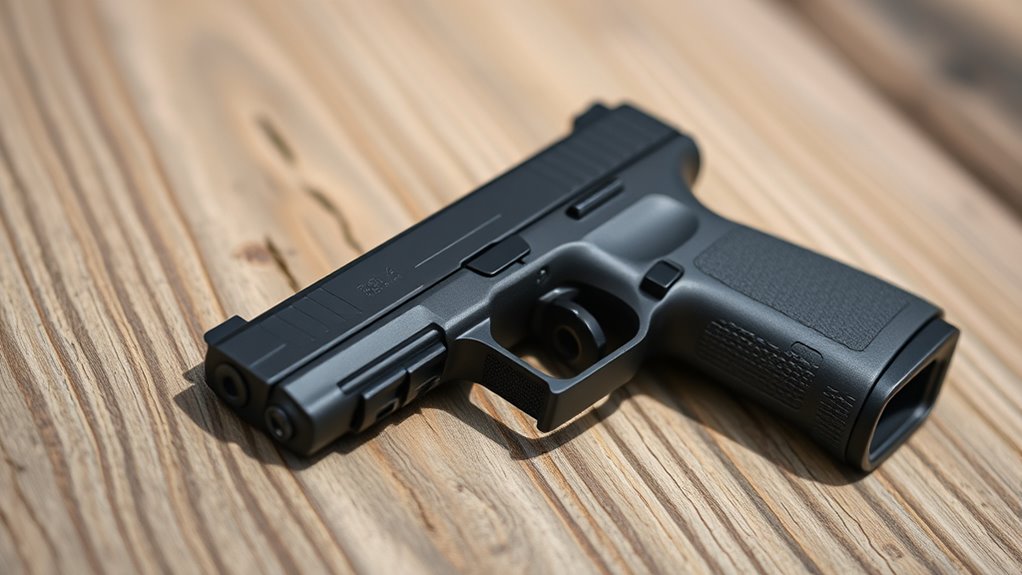
Although striker-fired pistols might seem complex at first, they operate using a simple spring-loaded firing pin called a striker housed inside the slide. When you rack the slide, it partially or fully cocks the striker mechanism, storing spring tension in the firing pin.
As you pull the trigger, you either complete the cocking process or release the striker. This striker then moves forward rapidly, striking the primer of the cartridge. That impact ignites the primer, starting the firing sequence.
Because the striker-fired design eliminates the hammer, you get a consistent trigger pull every time, making operation straightforward. Understanding this mechanism helps you appreciate how the striker-fired system streamlines firing while maintaining reliability through its smooth, repeatable trigger action.
Advantages And Disadvantages Of Striker-Fired Pistols
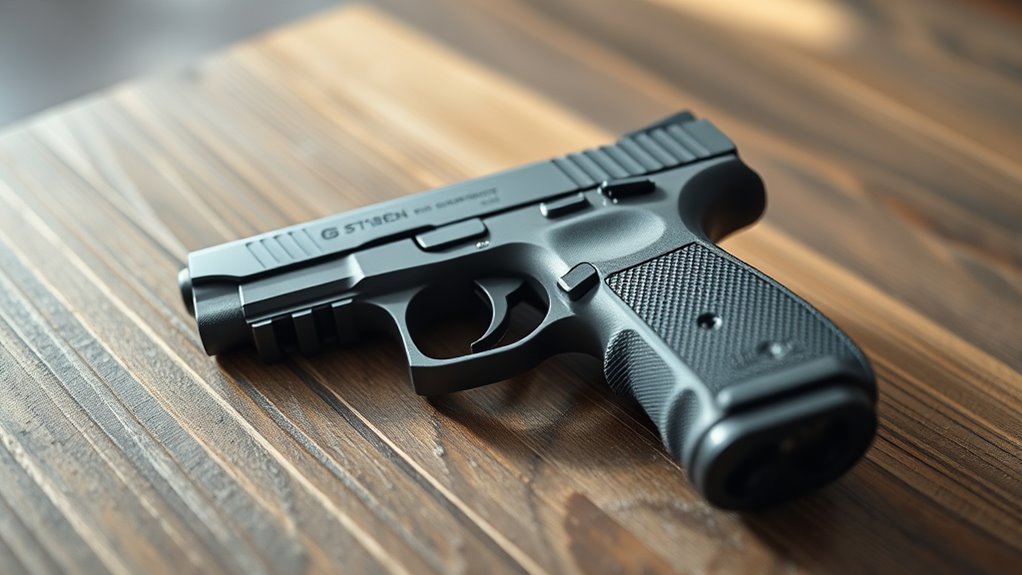
Understanding how striker-fired pistols operate sets the stage for weighing their pros and cons. These pistols feature a simpler design with fewer parts, which reduces malfunctions and boosts reliability.
You’ll appreciate the consistent trigger pull, helping improve accuracy and confidence during trigger releases. Their low-profile design, lacking an external hammer, makes them perfect for concealed carry by minimizing snagging.
However, the trigger pull characteristics tend to be less crisp and slightly spongy compared to single-action or double-action pistols. Also, partial cocking of the striker when loaded can increase readiness but raises safety concerns if the trigger is accidentally pulled.
Frequently Asked Questions
Are Striker Fired Pistols Better?
Striker-fired pistols can be better if you want reliability, easier maintenance, and consistent trigger pulls. But if you prefer tactile feedback or a crisp trigger break, you might find hammer-fired guns more precise for your needs.
Can a Striker Fired Gun Go off Without Pulling the Trigger?
No, a striker-fired gun won’t go off without pulling the trigger, won’t fire if dropped, and won’t discharge if bumped—unless it’s faulty. You must maintain it well to keep those safeties working properly.
Is Glock a Striker Fired Pistol?
Yes, Glock is a striker-fired pistol. You’ll notice it uses a spring-loaded striker instead of a hammer, giving you a consistent trigger pull and no external hammer, which makes it popular among law enforcement and civilians alike.
Is It Okay to Dry Fire a Striker Fired Pistol?
Yes, you can dry fire a striker-fired pistol safely, especially modern models. Just check your pistol’s manual first, and consider using snap caps to protect the firing pin, so you avoid any accidental damage while practicing.
Conclusion
Now that you know how striker-fired pistols work, you can appreciate their sleek simplicity and reliability. They’re like that dependable friend who’s always ready when you need them—no fuss, just performance.
While they might not have all the bells and whistles of other designs, their straightforward nature offers peace of mind and ease of use. Choosing a striker-fired pistol means trusting a companion that’s quietly efficient, helping you feel confident every time you’re ready to take action.
In the world of handguns, striker-fired pistols stand out for their balance of simplicity and functionality. They deliver consistent performance without complicated mechanisms, making them a popular choice for both beginners and experienced shooters. So, if you want a reliable, easy-to-use firearm that won’t let you down, a striker-fired pistol is definitely worth considering.