How Long Can a Pistol Barrel Be: A Practical Guide
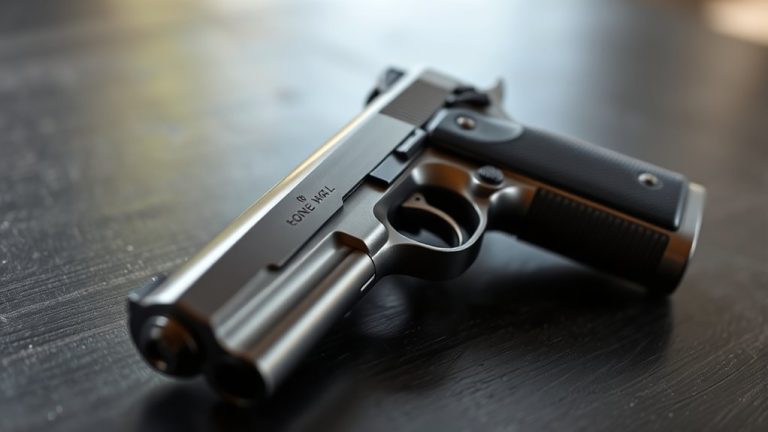
You can choose a pistol barrel length that fits your needs, usually ranging from about 3 to 6 inches or more. Barrel length plays a big role in how your pistol performs, affecting everything from accuracy to ease of carry.
Shorter barrels, like the common 3.6-inch on subcompact models such as the Canik TP9 Elite SC, offer easier carry and quick handling but may reduce bullet velocity. This makes them great for everyday carry or self-defense when you want something lightweight and quick to draw.
Longer barrels boost accuracy and muzzle velocity but can be less convenient to carry. They’re often preferred for target shooting or situations where precision matters more than concealment. Finding the right balance helps you stay prepared and comfortable.
Understanding these trade-offs will guide your best pick. So, think about how you plan to use your pistol and what feels right in your hand before deciding on the barrel length.
Key Takeaways
- Pistol barrel lengths typically range from about 3 to 6 inches depending on the pistol type and intended use.
- Subcompact pistols usually have barrels around 3.5 to 4.0 inches for easier carry and handling.
- Longer barrels increase muzzle velocity and accuracy but reduce compactness and maneuverability.
- Barrel length is measured by the barrel’s tube, not the overall firearm length, for consistent comparison.
- Selecting barrel length balances concealability, control, and ballistic performance based on user needs.
Typical Pistol Barrel Lengths (In Inches)

How long is a typical pistol barrel? You’ll often see lengths measured in inches, with common examples around 3.60 inches.
Take the Canik TP9 Elite SC subcompact 9mm pistol—it has a barrel length of exactly 3.60 inches. When you’re comparing pistols, focusing on the precise barrel length helps you understand what “short” really means.
Manufacturers might list a barrel as 3.6 or 3.60 inches, but the difference is just in formatting, not size. Knowing these typical measurements gives you a clear baseline for what to expect in a pistol’s barrel length.
This is especially helpful before diving into specifics about subcompact pistols or other styles, where the lengths can vary more widely.
What Barrel Lengths Are Common for Subcompact Pistols?

You’ll find that subcompact pistols typically have barrel lengths around 3.6 inches, like the Canik TP9 Elite SC. This shorter barrel size makes them easier to carry and handle in tight spaces.
Understanding these common lengths helps you balance portability with performance. It’s all about finding what works best for your needs.
Typical Subcompact Barrel Sizes
Subcompact pistols typically feature barrel lengths ranging from about 3.5 to 4.0 inches, making them easier to carry without sacrificing too much performance.
For example, the Canik TP9 Elite SC sports a 3.6-inch barrel, fitting neatly into this common range. You’ll find most subcompact models clustering near these lengths, as shorter barrels help keep the pistol compact and convenient for everyday carry.
When you compare different subcompact pistols, paying attention to the exact barrel length—like the 3.60 inches of the TP9 Elite SC—can give you a clear idea of how compact the gun really is.
Even small variations within this typical range can subtly influence how the pistol feels and performs, so knowing the specific barrel length matters more than you might expect.
Impact On Handling
A barrel length around 3.6 inches is common for pistols designed to balance easy handling with effective 9mm performance. Subcompact pistols like the Canik TP9 Elite SC often feature this length to keep the gun maneuverable while maintaining practical ballistics.
When you handle a subcompact, small changes between 3 and 4 inches can noticeably affect how snappy or smooth the recoil feels. This length strikes a practical middle ground—long enough for accuracy and velocity, short enough for quick draws and tight spaces.
- Typical barrel length hovers near 3.6 inches
- Enhances maneuverability compared to longer barrels
- Provides effective 9mm ballistics in a compact frame
- Minor length differences impact recoil sensation
- Popular in models like the Canik TP9 Elite SC
Why Barrel Length Matters for Performance

Understanding why barrel length matters can help you choose the right pistol for your needs. A longer barrel lets propellant gases act on the bullet longer, typically boosting muzzle velocity and potentially improving performance.
On the flip side, shorter barrels, like the 3.6-inch Canik TP9 Elite SC, offer compactness for concealability but may reduce velocity and increase muzzle blast.
Even slight changes in barrel length can affect how your pistol handles different ammo, since pressure and burn time vary with barrel size. When picking a pistol, consider barrel length alongside your intended use—whether for concealed carry or range shooting—to ensure the performance aligns with what you expect from your firearm.
How Barrel Length Affects Accuracy and Velocity
When you choose a pistol barrel length, you’re directly influencing both the bullet’s velocity and your potential accuracy. Longer barrels give expanding gases more time to push the bullet, typically increasing muzzle velocity. This change affects how the bullet travels and drops over distance, impacting accuracy.
For example, a 3.6-inch barrel on a Canik TP9 Elite SC generally produces less velocity than longer barrels. Still, accuracy also depends on matching barrel performance with factors like your sight setup or ammunition type.
Consider these points:
- Longer barrels usually increase bullet velocity
- Higher velocity can improve bullet trajectory and accuracy
- Short barrels offer compactness but lower velocity
- Sight and ammo choices affect accuracy regardless of barrel length
- Barrel length is key to ballistic performance balance
Trade-Offs Between Longer and Shorter Barrels
You’ll notice that longer barrels often boost accuracy and velocity but can make handling less nimble.
Shorter barrels improve concealment and maneuverability but may increase recoil and reduce bullet speed. Choosing the right length means balancing how you plan to use your pistol.
Accuracy Versus Maneuverability
Although longer barrels generally boost accuracy by extending the sight radius and stabilizing the bullet, you’ll often trade off ease of carry and quick handling.
For example, the Canik TP9 Elite SC’s 3.60-inch barrel favors maneuverability and fast target shifts over pinpoint precision at longer ranges.
When you choose a barrel length, you’re balancing these factors:
- Longer barrels improve accuracy potential and bullet stability
- Shorter barrels enhance concealability and quick draw
- Subcompact barrels like 3.6 inches prioritize maneuverability
- Accuracy drops faster with shorter barrels as distance increases
- Longer barrels can be less practical for close-quarters or concealed carry
Understanding this trade-off helps you pick the right barrel length for your needs without compromising on either accuracy or handling.
Velocity And Recoil Effects
Because longer pistol barrels allow expanding gases more time to accelerate the bullet, they generally produce higher muzzle velocities than shorter barrels. This increase in velocity means your bullet hits harder and drops less over distance.
Additionally, higher velocity can reduce how fast the slide cycles to deliver the same impact energy, which may affect how you perceive recoil. But recoil isn’t just about speed—the pressure curve from different barrel lengths changes how abruptly the gun feels when firing.
Shorter barrels produce lower velocity, which can increase bullet drop and reduce energy downrange, but they often cycle quicker and feel snappier. Choosing a barrel length around 3.6 inches, like on the Canik TP9 Elite SC, balances velocity gains and recoil characteristics without sacrificing too much in handling.
Concealment And Handling
When choosing a pistol barrel length, you balance concealment and handling against performance. The Canik TP9 Elite SC’s 3.60-inch barrel is a smart compromise—it keeps your pistol easy to carry and conceal while still offering good shootability.
Longer barrels improve accuracy and recoil management but can make concealment harder and handling less nimble. Shorter barrels, like the TP9’s, prioritize compactness and quick maneuvering, ideal for everyday carry.
Consider these trade-offs: easier concealment with shorter barrels, better accuracy from longer barrels, and improved recoil control with increased sight radius. You also get greater carry comfort with compact designs, but there’s a potential performance sacrifice for compactness.
Choosing barrel length means deciding what matters most to you in real-world use. It’s all about what fits your lifestyle and needs best.
How Do Gun Makers Measure Barrel Length?
To understand barrel length, you need to know that gun makers measure it from the breech face—where the cartridge sits—all the way to the muzzle end of the barrel. This measurement captures just the barrel’s tube, not the overall firearm length, making it the standard when comparing pistols.
You’ll often see barrel lengths listed precisely, like 3.60 inches, or rounded slightly to 3.6 inches, but both refer to the same dimension. Each pistol model, such as the Canik TP9 Elite SC, has a fixed barrel length specified by the manufacturer.
When checking specs or community discussions, you’ll notice consistent barrel length values repeated, confirming this standardized approach. So, always rely on the manufacturer’s stated barrel length for accurate information.
How to Choose the Right Barrel Length for Your Needs
Knowing how barrel length is measured helps you make an informed decision about which size fits your needs. When selecting a pistol barrel length, always rely on exact product specifications—like the Canik TP9 Elite SC’s 3.60-inch barrel—rather than estimates or guesses.
Compare listings carefully, noting slight differences in how lengths are stated (3.60 vs. 3.6 inches) to ensure accuracy. Match the barrel length to your intended use while sticking to the manufacturer’s specs to avoid surprises.
Here’s what you should keep in mind:
- Check official product listings for precise barrel length data
- Compare measurements consistently across sources
- Use the barrel length as a baseline for handling expectations
- Avoid relying on community guesses without confirmation
- Choose lengths that suit your specific application and model limits
How Barrel Length Affects Concealability and Handling
Although barrel length might seem like a minor detail, it plays a significant role in how easily you can conceal and handle your pistol. A shorter barrel, like the 3.6-inch one on the Canik TP9 Elite SC, keeps the gun compact, making it easier to carry without printing or discomfort.
You’ll notice that pistols with shorter barrels balance better in your hand, feeling less front-heavy and more maneuverable, especially in tight spaces. This improved handling makes quick draws and adjustments smoother.
When deciding on barrel length for concealed carry, aim for a size that matches your comfort and handling needs while minimizing bulk. Balancing concealability and control ensures you’re prepared without sacrificing ease of use or discretion.
Frequently Asked Questions
What Is the Best Barrel Length for an AR 9mm Pistol?
The best barrel length for your AR 9mm pistol depends on your needs. Choose around 3.6 inches for compactness and concealability.
Or go longer if you want better velocity and range while keeping it maneuverable. It’s really about what fits your style and purpose.
Can I Put a 16 Inch Barrel on an AR Pistol?
Sure, you can slap a 16-inch barrel on your AR pistol—if you want it reclassified as a rifle or an SBR.
So, it’s not really an AR pistol anymore, is it?
Check laws first.
What Is the Shortest Legal Barrel Length?
There’s no single shortest legal barrel length; it depends on your local laws. You’ll need to check your jurisdiction’s specific regulations before modifying or buying to stay compliant and avoid legal trouble.
Always verify first. It’s better to be safe than sorry when it comes to these rules. So, double-check before making any changes or purchases.
How Long Should a Pistol Barrel Last?
When push comes to shove, your pistol barrel should last thousands of rounds if you keep up with regular cleaning and avoid overheating.
Watch for accuracy drops—that’s your barrel telling you it’s time for maintenance or replacement.
Conclusion
You want accuracy, velocity, and ease of handling. You also want concealability, comfort, and control. Barrel length impacts all these factors, so you need to balance performance with practicality.
Whether you choose a short barrel for quick draw or a longer one for precision, understanding how barrel length affects your pistol helps you make the right choice. It’s all about finding the sweet spot that fits your shooting style and needs.
In the end, your ideal pistol barrel length perfectly matches your preferences and intended use. Balancing accuracy, velocity, and ease of handling with comfort and concealability ensures you get the most out of your firearm. Knowing how long a pistol barrel can be, and what suits you best, makes all the difference in performance and practicality.