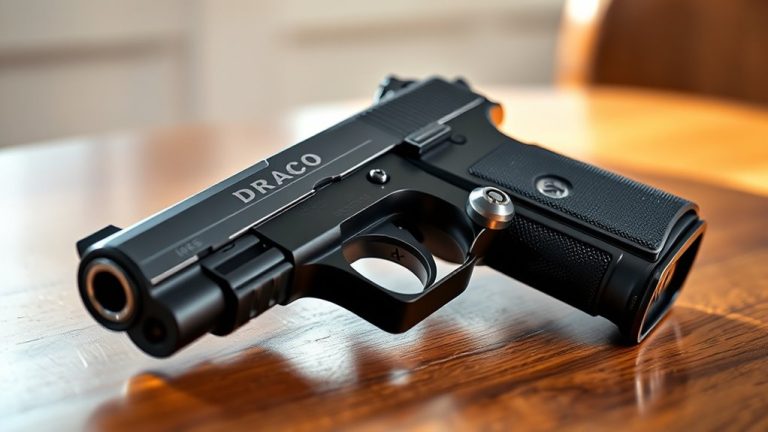
What Is an Optics-Ready Pistol?
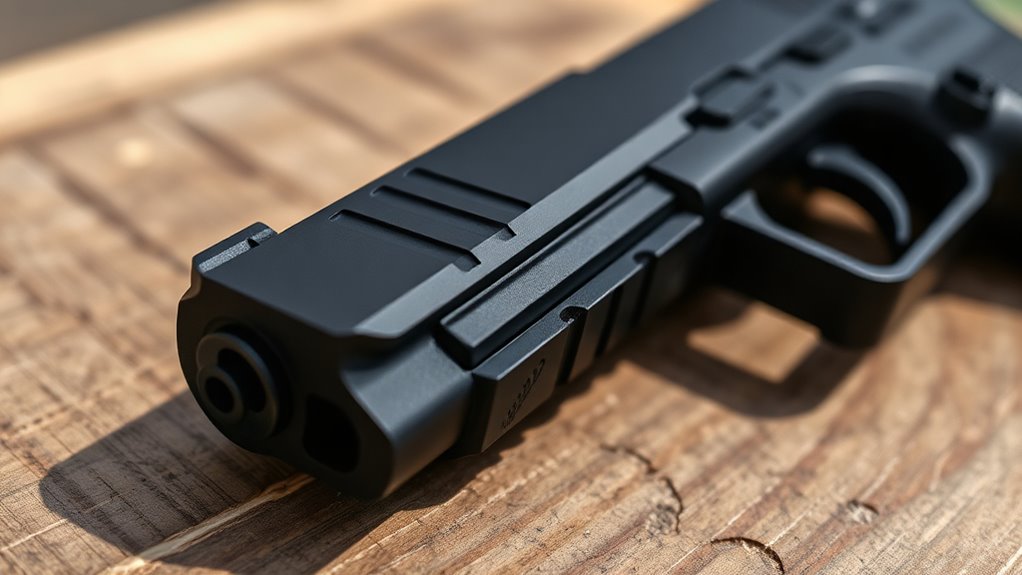
An optics-ready pistol has a slide precisely cut or machined to let you mount a red-dot or reflex sight securely without extra gunsmithing. It features a dedicated mounting footprint, clearance for smooth slide operation, and screw access for direct optic attachment. This setup helps you get faster, more accurate target acquisition by aligning the dot with your line of sight.
If you want to explore how to choose the right pistol or modify older models, keep going. Understanding the benefits of an optics-ready design can really change how you shoot. It’s all about enhancing your accuracy and speed in a practical, user-friendly way.
Key Takeaways
- An optics-ready pistol has a slide cut or machined to directly mount reflex or red-dot sights without additional modifications. It features a standardized mounting footprint with screw holes matching specific optic models for secure attachment.
- The slide design includes clearance and height alignment to ensure smooth cycling and a clear sight picture with the optic installed. This means everything fits just right so you don’t have to worry about adjustments.
- Optics-ready pistols eliminate the need for aftermarket milling or adapter plates, providing a factory-integrated mounting solution. It’s all done at the factory, making the process straightforward.
- The primary purpose is to enable faster target acquisition and improved aiming by integrating a stable red-dot sight platform. This setup helps you get on target quicker and shoot more accurately.
What Makes a Pistol Optics-Ready
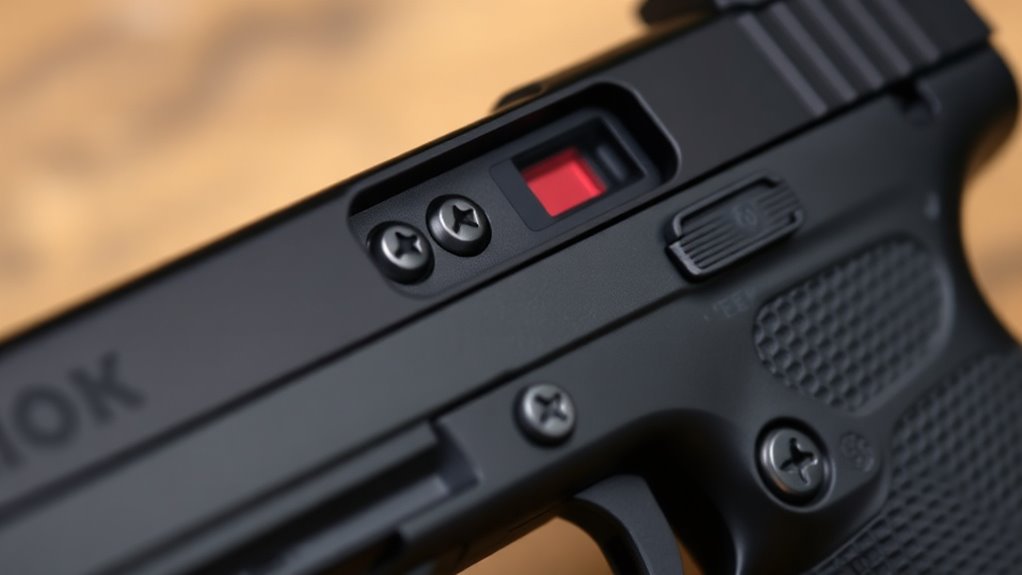
An optics-ready pistol comes with a slide that’s already machined or designed to accept a reflex or red-dot sight without any custom work. What makes it “ready” is a dedicated cut or a standard plate pattern that fits the optic’s mounting screws, plus enough clearance so the slide cycles smoothly with the optic installed.
Sometimes, pistols aren’t optics-ready from the factory but can be milled aftermarket to create a proper footprint—like some Beretta APX models. Alternatively, you might use an adapter plate to mount your optic, which often means removing the rear sight.
Just remember, your optic must match the slide’s mounting pattern. Also, the slide has to function reliably and return to battery with the optic attached for a true optics-ready setup.
How Optics-Ready Slides Improve Accuracy
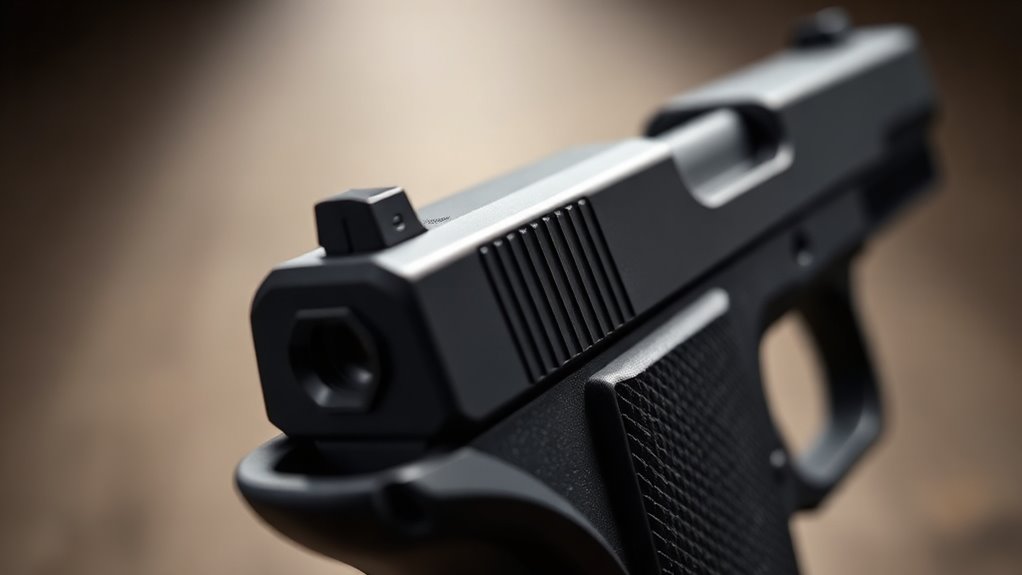
When you use an optics-ready slide, you get faster target acquisition because the sight stays perfectly aligned with your line of sight. This setup reduces the chance of sight alignment errors, letting you focus more on your target and less on adjusting your aim.
With consistent aiming points, your shots become more accurate and reliable. It’s all about making every shot count without the extra hassle.
Enhanced Target Acquisition
Because optics-ready slides position a reflex or red-dot sight directly over the bore line, you gain faster and more consistent target acquisition compared to aligning traditional iron sights.
The dot lets you shoot with both eyes open, so you track moving targets smoothly and confirm hits quickly. This boosts your accuracy in timed drills.
Plus, optics-ready slides standardize mounting geometry, ensuring consistent shot placement across sessions. The rigid attachment surface maintains zero through recoil and holstering, preserving your accuracy.
By simply placing the dot on your target, you reduce sighting errors and improve hit probability, especially at close to mid-range distances.
| Benefit | How It Helps | Result |
|---|---|---|
| Bore line alignment | Faster sight acquisition | Quicker target engagement |
| Both eyes open | Better target tracking | Smoother follow-up shots |
| Standardized mount | Consistent zero | Reliable shot grouping |
| Rigid attachment | Maintains zero | Accuracy under recoil |
Reduced Sight Alignment Errors
While aiming with traditional iron sights demands precise front-and-rear sight alignment, optics-ready slides let you focus on placing a single dot directly on your target. This eliminates the classic front-to-rear sight alignment step, reducing common errors that cause vertical and windage misses.
Using a reflex or red-dot sight with both eyes open enhances your visual tracking and maintains accuracy, especially during rapid shooting. Optics-ready setups also standardize mounting geometry, ensuring your sight stays fixed and your point of impact remains consistent.
When properly installed and zeroed, your sight picture becomes simply “dot on target,” improving practical accuracy for moving or time-sensitive shots. This streamlined aiming process helps you shoot more accurately and confidently under pressure.
Key Design Differences Between Optics-Ready and Standard Pistols
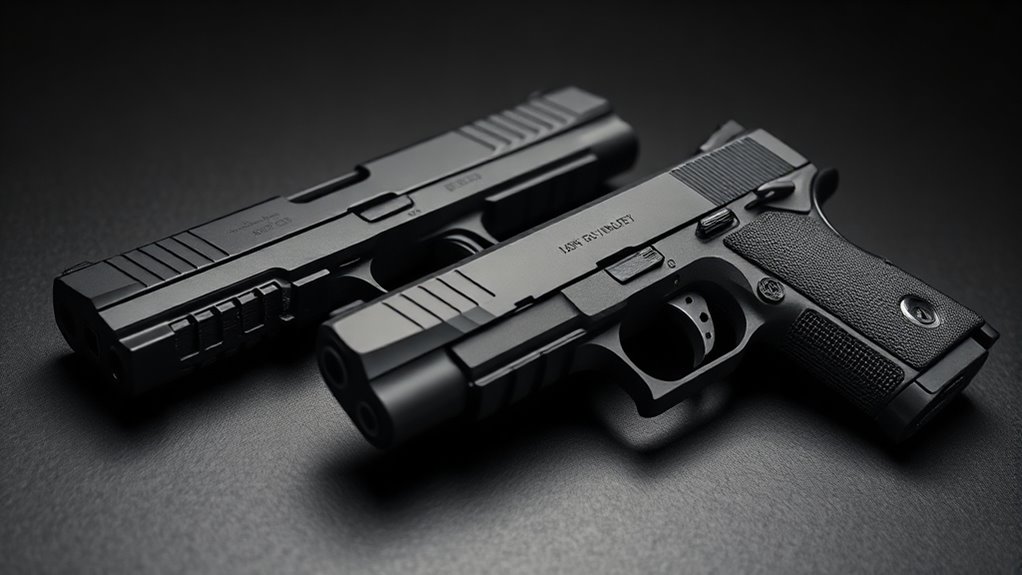
Although standard pistols share similar slide rails with optics-ready models, they lack the factory-milled mounting area designed for direct optic attachment.
Standard pistols have similar slide rails but lack the factory-cut mount for direct optic installation.
When you compare the two, here are the key design differences you’ll notice:
- Optics-ready pistols have a dedicated slide footprint, usually a standardized direct-mount pattern, allowing you to attach a reflex sight without major modifications.
- Standard pistols require aftermarket milling or adapter plates to fit optics securely.
- Optics-ready slides accommodate fitment clearances, screw access, and height alignment, ensuring the optic sits correctly over the bore.
- The rear sight on optics-ready models may be repositioned or integrated around the optic cut, while standard pistols typically use the conventional rear sight that must often be removed for mounting.
These differences make optics-ready pistols more convenient for optic installation and use.
Recommended Red Dot and Reflex Sights for Optics-Ready Pistols
Optics-ready pistols make it easier adding a red dot or reflex sight by providing a factory-cut mounting interface tailored for these optics. When selecting a sight, you’ll want models designed for quick target acquisition and direct fitment.
The Leupold DeltaPoint stands out as a popular choice, built specifically for pistol use with a low-profile reflex footprint that aligns perfectly with the slide’s sight line. Such reflex sights keep your sight picture clear and your shooting fast.
Because these optics mount without additional milling or adapters, you avoid the hassle of removing rear sights or modifying your pistol. By choosing a compact reflex sight designed for optics-ready pistols, you ensure reliable performance and maintain the pistol’s sleek, functional design.
Mounting Red Dots on Older Pistols Without Milling
If your pistol isn’t optics-ready, you can still mount a red dot using an adapter plate designed for your model. You’ll need to remove the rear sight to install the plate, which then lets you attach the optic without milling the slide.
This method offers a range of compatible reflex sights, making it a practical option for older pistols. It’s a great way to upgrade without doing any permanent modifications.
Adapter Plate Installation
When you want to add a red-dot sight to an older pistol without milling the slide, an adapter plate offers a practical solution. This method is common for models like the Beretta APX, where you install the plate after removing the rear sight.
Beretta provides these adapter plates on their website, letting you mount optics on compatible pistols without professional slide work.
Here’s how to install the adapter plate:
- Remove the pistol’s rear sight carefully.
- Attach the adapter plate where the rear sight was located.
- Secure the plate firmly using the supplied screws.
- Mount your red-dot optic onto the adapter plate.
This straightforward approach lets you upgrade your pistol without costly or permanent modifications. It’s a simple way to get the job done without needing a gunsmith.
Rear Sight Removal
Though your pistol’s slide wasn’t cut for an optic, you can still mount a red-dot sight by removing the rear sight first. This method is pretty common for older pistols that don’t have factory milling.
After you remove the rear sight, you attach an adapter plate. This plate offers a mounting footprint for reflex sights like the Leupold DeltaPoint.
Beretta APX variants, for example, use this rear-sight-off approach with their adapter plates. This way, they avoid any slide machining.
| Step | Action | Result |
|---|---|---|
| 1 | Remove rear sight | Clears space for adapter plate |
| 2 | Attach adapter plate | Provides optic mounting surface |
| 3 | Mount red-dot sight | Secure optic without milling |
| 4 | Verify fit and alignment | Ensures reliable sight picture |
Just keep in mind, this method depends on your pistol and plate compatibility.
Optic Compatibility Options
Removing the rear sight opens up several options for mounting red-dot optics on older pistols without factory milling. You can easily upgrade your handgun using adapter plates designed to fit specific models, like Beretta’s system for the APX slide. These plates bolt directly to the slide, offering a stable mounting platform.
Here are four optic compatibility options for older pistols without milling:
- Use a model-specific adapter plate that bolts on after rear sight removal.
- Select red dots that match the adapter plate’s footprint (e.g., Leupold DeltaPoint).
- Ensure the plate places the optic at the correct height for a clear sight picture.
- Avoid permanent slide alterations by choosing bolt-on solutions.
This way, you can enjoy red-dot benefits without costly machining. It’s a simple upgrade that doesn’t mess with your slide permanently.
Milling Options to Convert Older Pistols for Optics
If you want to equip an older Beretta APX with a red-dot optic, you can have the slide milled to create the necessary mounting footprint. Many older APX slides are eligible for this direct milling, which allows you to mount a reflex or red-dot sight securely.
Shops like Impact Machine specialize in APX optic cuts, ensuring precise and reliable results. This milling process permanently modifies your slide, creating a clean, integrated mounting surface without needing extra parts.
If you prefer not to buy a new optics-ready model, milling offers a straightforward way to upgrade your current pistol. While alternative methods like adapter plates exist, milling directly prepares your slide for optics, giving you a solid, streamlined setup tailored for red-dot installation.
Adapter Plates vs. Milling: Pros and Cons
When deciding how to mount a red dot on your non-optics-ready Beretta APX, you’ll find two main options: adapter plates and milling. Adapter plates bolt onto the slide (usually after removing the rear sight), offering a bolt-on solution without permanent changes.
Milling removes material from the slide to create a direct-fit mount, giving a more integrated look.
Here’s a quick comparison:
- Adapter plates are reversible; milling is permanent.
- Plates may add height; milling sits the optic lower.
- Milling often looks factory-made; plates can feel bulkier.
- Plates avoid gunsmithing; milling requires professional machining.
Choosing the Right Optics-Ready Pistol for Your Needs
How do you pick the right optics-ready pistol for your needs? Start by confirming the exact mounting pattern it supports. This helps you avoid adapters or machining later on.
Think about whether you want a factory-configured slide or if you plan to use an adapter plate. This is especially important if the model isn’t optics-ready out of the box.
Match your pistol’s purpose with the optic. Compact reflex sights like the Leupold DeltaPoint work well on many setups.
Also, reliable retention and proper sight alignment are key to a good shooting experience.
| Factor | What to Check |
|---|---|
| Mounting Pattern | Standardized footprint for your red dot |
| Installation Method | Factory cut slide vs. adapter plate |
| Optic Compatibility | Ensure co-witnessing and retention |
This way, your optics-ready pistol fits your shooting goals without any surprises.
Frequently Asked Questions
What Is the Most Armed State in America?
You’ll find Alaska is the most armed state in America. Its residents own more firearms per capita than anywhere else.
This is largely because of a strong hunting culture and a rural lifestyle that encourages widespread gun ownership. It’s just part of how people live there.
Does Colt Make a 1911 9mm?
Colt cautiously crafts 1911s, but 9mm models can be scarce or sporadic. You’ll want to check Colt’s current catalog carefully, confirming if they carry genuine 9mm 1911s or if you need a conversion or variant instead.
It’s a good idea to stay updated because their offerings can change. Sometimes, you might find limited runs or special editions that fit the bill. So, keep an eye out and don’t hesitate to ask dealers for the latest info.
What Does “Mexican Carry” Mean?
“Mexican carry” means you carry your handgun in a cross-draw position across your body, usually on the opposite side from a traditional strong-side carry.
It lets you draw quickly while keeping the gun secure in a holster. That way, you can have faster access without compromising safety.
What Is the #1 Concealed Carry Pistol?
You might think there’s one clear winner for the #1 concealed carry pistol, but it actually depends.
Many choose compact striker-fired models like the Glock 19 for reliability, size, and great optic compatibility. It’s a popular choice for a reason!
Conclusion
Imagine trying to hit a bullseye blindfolded—standard pistols can feel just like that without optics. Optics-ready pistols lift that blindfold, letting you aim faster and shoot straighter.
Whether you’re upgrading or choosing a new pistol, understanding the mounting options and sight choices will help you hit your mark every time. With the right setup, you’re not just aiming—you’re owning the target.
An optics-ready pistol gives you the advantage of quick target acquisition and improved accuracy. It’s all about having the right mounting platform for your red dot or reflex sight. So, if you want a pistol that’s versatile and ready for any situation, going optics-ready is the way to go. That way, you’re not missing out on precision and speed when it matters most.