What Is a Pistol?
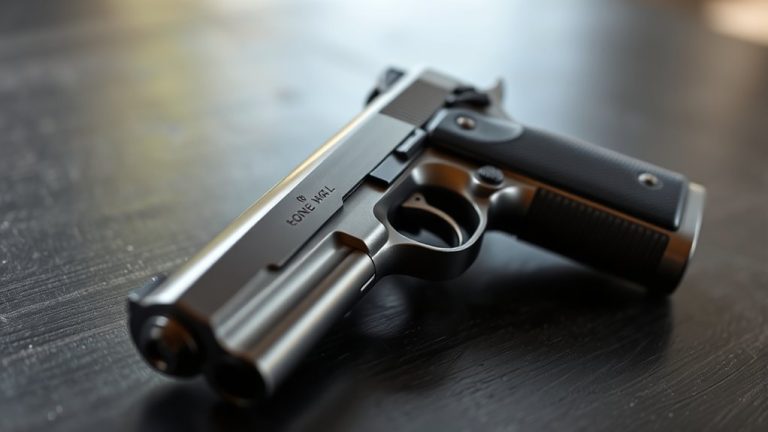
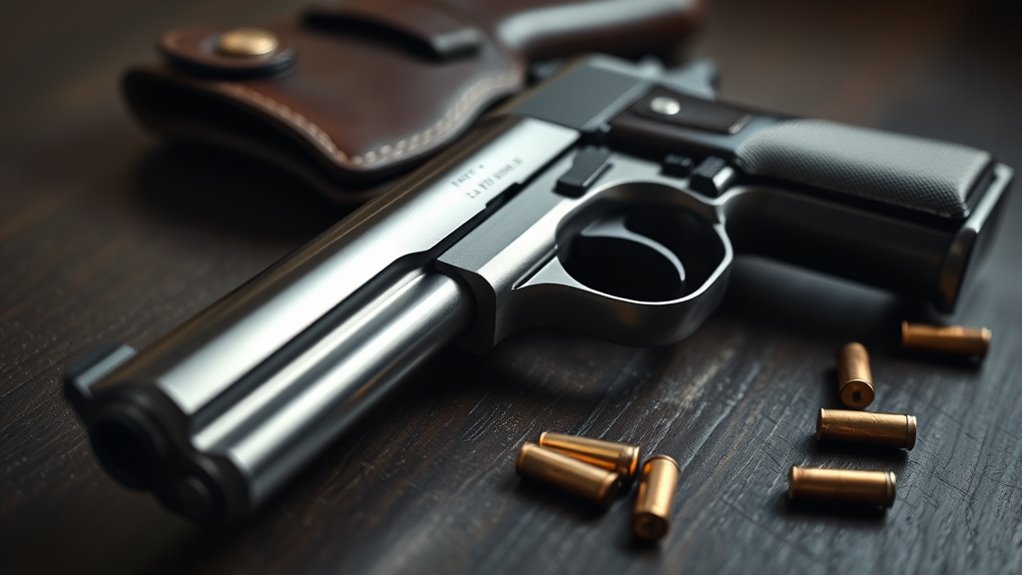
When you pick up a pistol, you’re holding a handgun with its chamber built right into the barrel. This is different from a revolver, which uses a separate rotating cylinder. Pistols are designed to be fired with one hand, making them handy and easy to carry.
Many pistols are semi-automatic, meaning they cycle rounds automatically with each shot. How your pistol is designed will affect how you load, fire, and handle it.
There are different types—from single-shot pistols to machine pistols.
There’s a lot more to explore about pistols, including their various types and how they work under the hood. Understanding these details can help you appreciate the design and function of these popular handguns even more.
Key Takeaways
- A pistol is a handgun with an integral chamber built into the barrel. It’s designed to be fired from one hand.
- It’s different from revolvers, which use a separate rotating cylinder for chambers.
- Semi-automatic pistols use recoil energy to cycle rounds automatically from a magazine.
- Pistols come in various types like single-shot, semi-automatic, multi-barreled, and machine pistols.
- Legal definitions and design features help distinguish pistols from other handguns, like revolvers.
What Is a Pistol? Definitions and Legal Distinctions
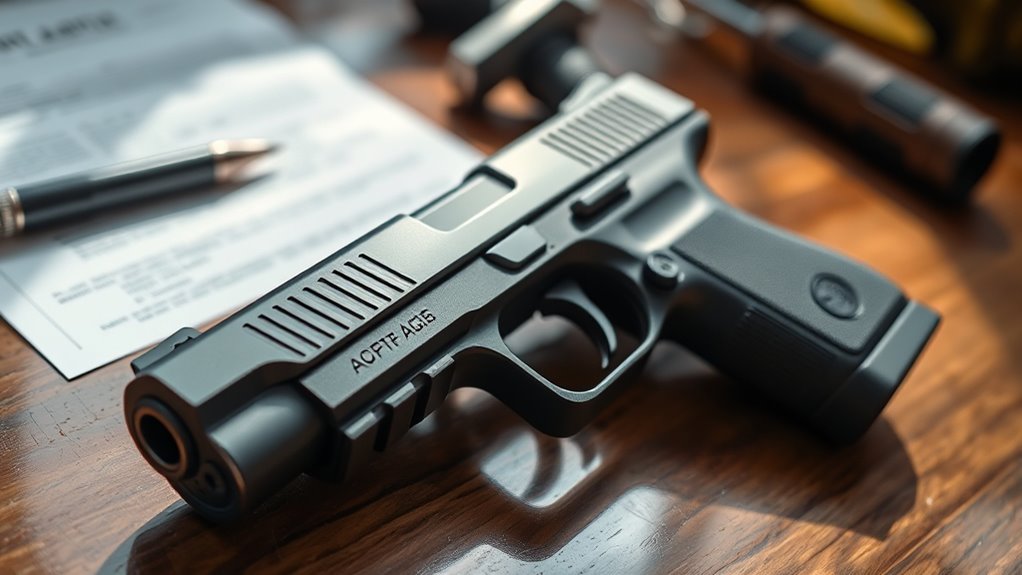
What exactly defines a pistol? A pistol is a handgun with an integral chamber, meaning the chamber is built into the barrel itself. You might hear the term used interchangeably with “handgun,” but technically, pistols differ from revolvers, which have a separate cylinder for chambers.
The Gun Control Act of 1968 legally defines a pistol as a firearm designed to be fired from one hand, with this integral chamber-barrel setup. This means semi-automatic pistols fall under this definition, but revolvers, despite being handguns, are classified differently due to their rotating chamber.
Understanding these distinctions is important, as legal definitions affect how firearms are regulated and classified. This is especially true concerning size, design, and how the chamber relates to the barrel.
Types of Pistols and How They Work
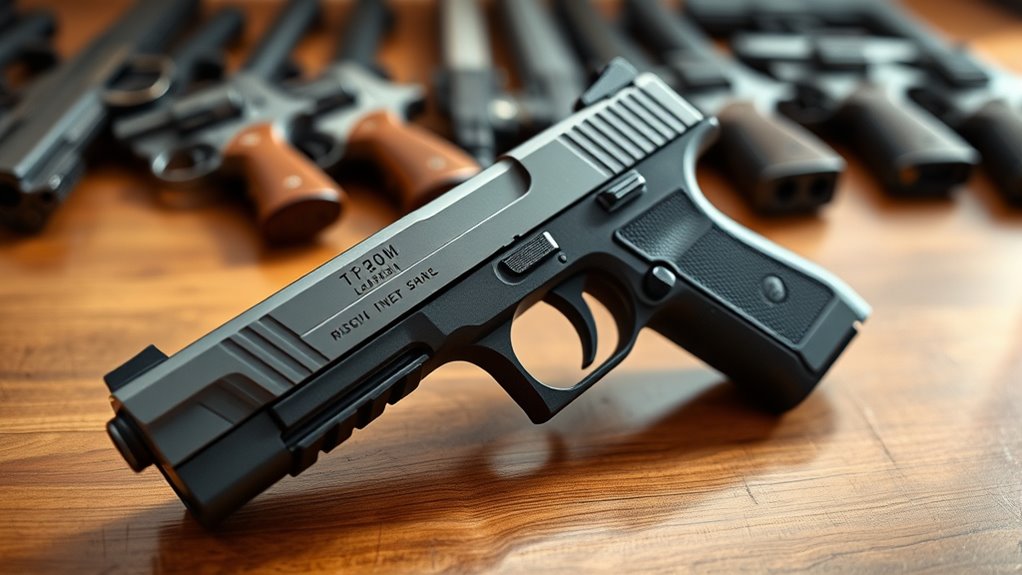
Although pistols come in various designs, each type operates on distinct mechanisms that affect how you load, fire, and reload them. Single-shot pistols require manual reloading after each shot, while revolvers use a rotating cylinder with multiple chambers for faster firing.
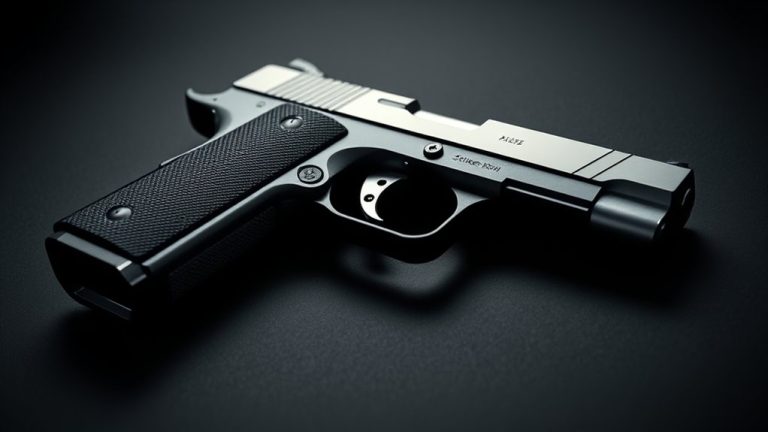
Semi-automatic pistols, like a semi-automatic Glock, use recoil energy to cycle rounds from a magazine automatically. Multi-barreled pistols increase fire rate with multiple barrels instead of chambers.
| Type | Loading Mechanism | Firing Mechanism |
|---|---|---|
| Single-shot | Manual after each shot | Single chamber |
| Revolver | Cylinder with multiple chambers | Rotating cylinder |
| Semi-automatic | Magazine-fed | Recoil-operated |
| Multi-barreled | Multiple barrels | Multiple barrels firing |
| Machine pistol | Magazine-fed | Automatic/burst fire |
Each design impacts barrel length and chamber use. So, depending on what you need, one type might suit you better than another.
Frequently Asked Questions
What Classifies a Gun as a Pistol?
You classify a gun as a pistol if it’s designed for one-handed use, has an integral chamber aligned with the barrel, lacks a shoulder stock, and has a shorter barrel than a rifle, meeting legal definitions accordingly.
What’s the Difference Between a Handgun and a Pistol?
Think of handguns as a family, with pistols as one sibling. You’ll notice pistols have chambers built right into the barrel, while handguns include both pistols and revolvers with rotating cylinders.
What Makes a Rifle a Pistol?
You make a rifle a pistol by removing its shoulder stock and shortening the barrel under 16 inches. Without a stock, it’s designed to be fired one-handed, which legally classifies it as a pistol.
Is a Glock and a Pistol the Same Thing?
A Glock and a pistol are like a rose and a flower—a Glock is a specific type of pistol. You’ll find every Glock fits the pistol category, but not every pistol is a Glock, so they’re related, not identical.
Conclusion
Understanding pistols is like holding a key that unlocks many legal and practical doors. You now know what defines a pistol and how different types operate, so you can make informed decisions whether you’re studying firearms, considering ownership, or just curious.
Remember, pistols aren’t just tools; they come with responsibilities and laws you’ve got to respect. It’s important to always handle pistols safely and understand the legal implications tied to their use and ownership.
Keep this knowledge close, and you’ll handle the subject of pistols with confidence and care. Knowing about pistols not only helps you stay informed but also ensures you respect the rules and responsibilities that come with firearms. Stay safe and smart!