How Does an SBR Rifle Work?
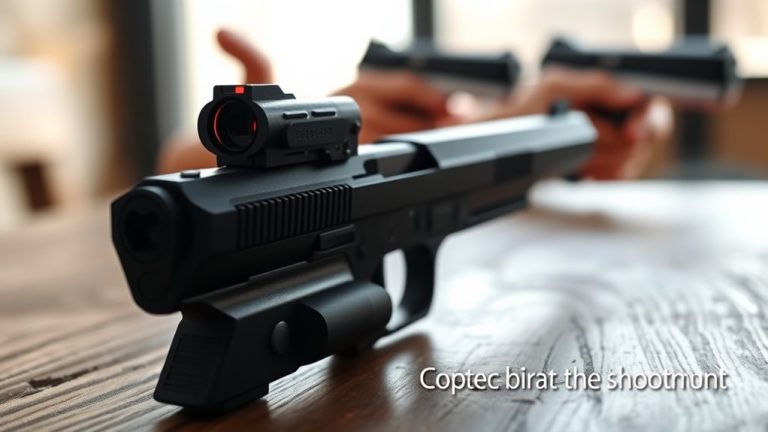
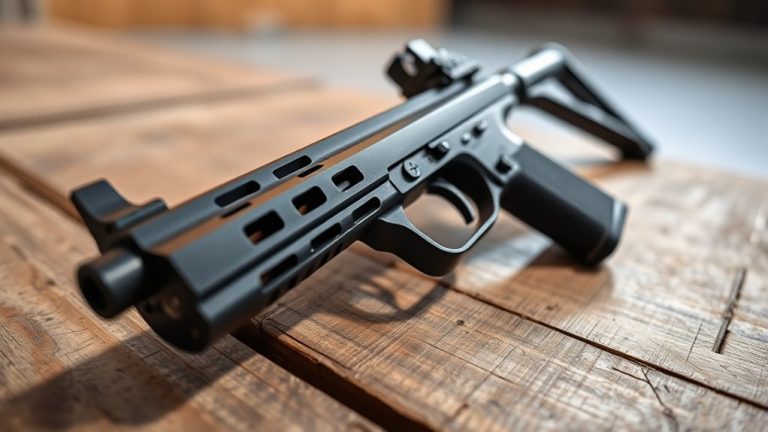
You handle an SBR rifle much like a standard rifle, but with a shorter barrel that makes it more compact and easier to maneuver. This shorter barrel is what defines an SBR (Short Barreled Rifle), giving it a unique feel and handling compared to regular rifles. It’s perfect for situations where space is tight or quick movement is needed.
Its rifled barrel spins bullets for accuracy, though the shorter length can reduce bullet velocity and increase noise.
The way it operates is pretty much the same as other rifles, using gas, blowback, or recoil actions.
The smaller size also affects its legal classification, meaning you’ll need special approval to own or use one. Keep exploring, and you’ll get a better idea of how these features impact both the use and regulation of SBR rifles.
Key Takeaways
- An SBR operates like a standard rifle but has a shorter rifled barrel that imparts spin for bullet accuracy. It uses gas-operated, blowback, or recoil-driven firing mechanisms to cycle rounds.
- The shorter barrel reduces bullet velocity compared to longer rifles. But on the bright side, the compact design really boosts maneuverability, especially in tight spaces.
- One thing to keep in mind is that the higher internal pressure from the short barrel makes the noise louder when it’s fired. So, it’s definitely not as quiet as a longer barrel rifle.
How SBRs Work: Operating Principles and Features
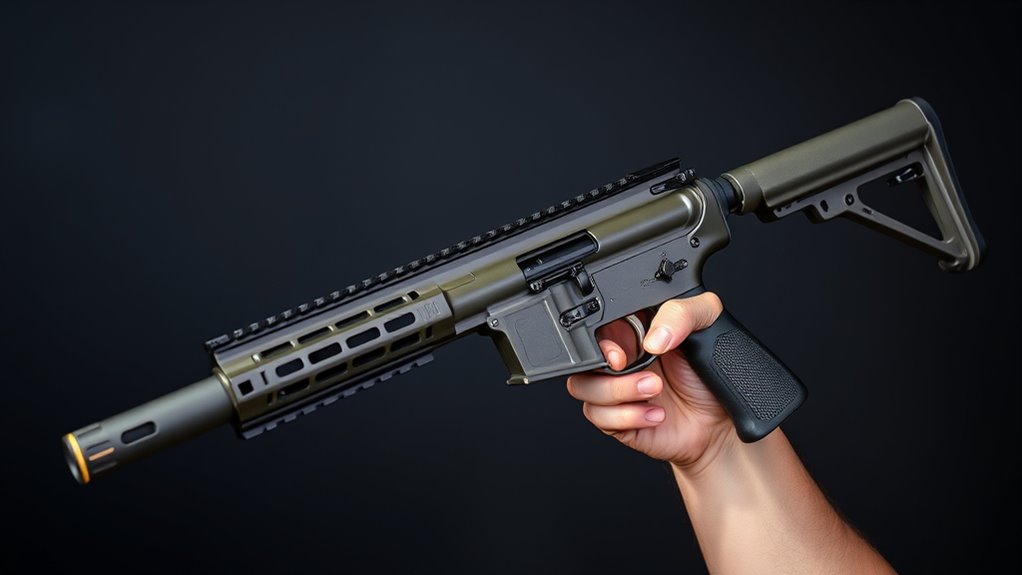
Although an SBR rifle operates much like a standard rifle, its defining feature is a rifled barrel shorter than 16 inches. This makes the firearm more compact and easier to maneuver in tight spaces.
This reduced barrel length decreases the overall length, enhancing portability without changing the core operating principles. The rifled barrel imparts spin to bullets, maintaining accuracy despite the shorter length. Though, velocity typically drops compared to longer barrels.
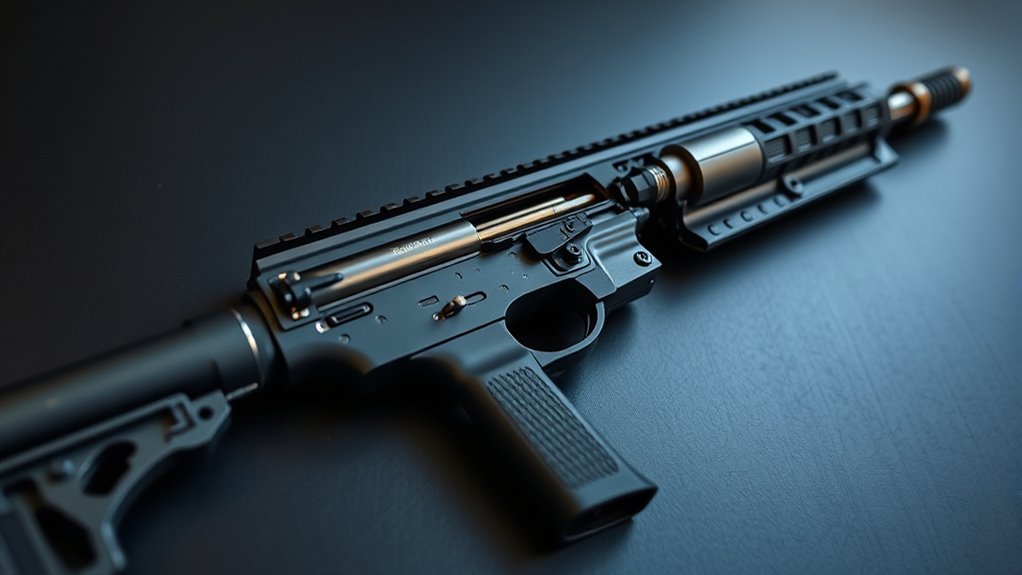
The firing mechanism—be it gas-operated, blowback, or recoil-driven—functions similarly to full-sized rifles but adapts to the shorter barrel’s dynamics. SBRs often produce louder reports due to higher pressure and reduced barrel length.
That noise can be mitigated with specialized muzzle devices. Understanding these features is essential when dealing with firearm regulation concerning short-barreled rifles.
How SBRs Differ: Key Physical and Legal Features Compared to Standard Rifles
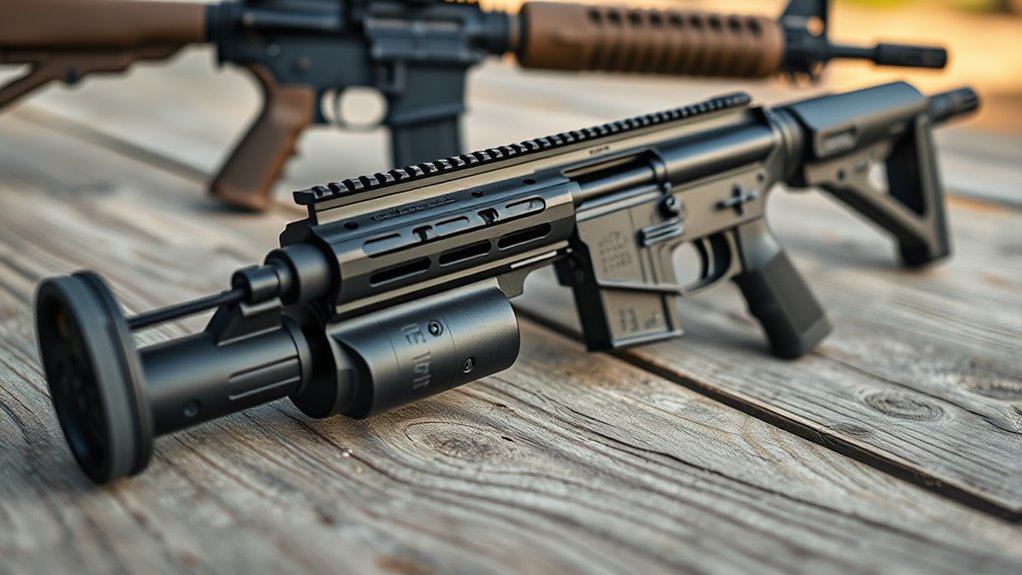
When you compare short-barreled rifles (SBRs) to standard rifles, you’ll notice they differ not only in size but also in legal requirements. An SBR features a rifled barrel shorter than 16 inches and an overall length under 26 inches, which affects its firearm classification.
Unlike standard rifles, SBRs fall under the National Firearms Act (NFA). That means you need to get ATF approval and pay a $200 tax stamp to stay legal.
The overall length includes the extended stock, which changes how federal regulations view your firearm. While standard rifles don’t need this kind of federal registration, SBRs do.
Frequently Asked Questions
At What Point Does a Rifle Become an SBR?
A rifle becomes an SBR when its barrel is under 16 inches or its overall length is below 26 inches. You’ll need to register it with the ATF once it meets those size requirements.
Is Owning an SBR Worth It?
Owning an SBR is worth it if you value compactness and maneuverability. You’ll navigate legal hurdles, but gain versatility and tactical advantages, especially in tight spaces. Just prepare for the paperwork and longer waiting times.
Is the ATF Waiving Tax Stamp for SBR?
Yes, you don’t pay the tax stamp fee, but you still file paperwork, get ATF approval, and register your SBR. You follow rules, complete forms, and wait for background checks despite the tax waiver.
Does Putting a Stock on a Pistol Make It an SBR?
Putting a stock on a pistol doesn’t automatically make it an SBR. You’ll only create an SBR if the barrel is under 16 inches and overall length under 26 inches, and you complete ATF registration and tax steps.
Conclusion
When you hold an SBR, imagine the power of a full-sized rifle condensed into a sleek, compact form that fits right in your hands. Its swift, precise mechanics work seamlessly, giving you control and confidence.
You’ll feel the difference—both in how it handles and how it’s regulated. Understanding an SBR means appreciating the balance between power and portability. It’s wrapped in a design that’s as practical as it is potent.
An SBR rifle offers the perfect mix of strength and convenience. Whether you’re out in the field or at the range, its compact size doesn’t compromise performance. Knowing how an SBR works helps you get the most out of this powerful, portable firearm.