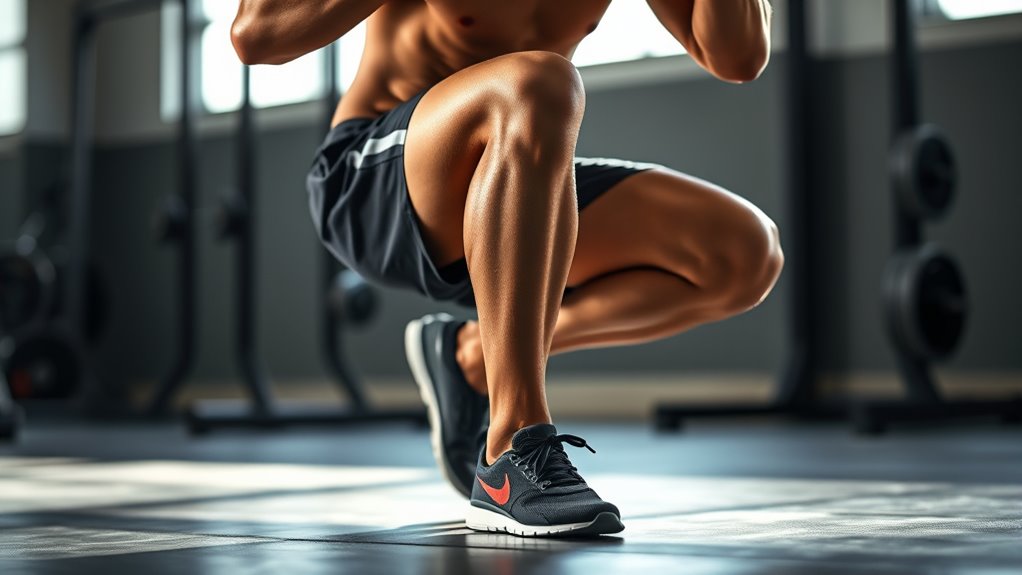
Are Pistol Squats Bad for Knees and How to Do Them Safely
Pistol squats aren’t inherently bad for your knees if you keep proper alignment and control your movement.
Knee pain usually comes from inward collapse, poor tracking, or pushing too deep too fast. So, the key to protecting your knees is understanding how to do pistol squats safely.
To stay safe, focus on building knee stability with strengthening exercises. You can also use regressions like partial reps or support tools such as TRX straps. These help take some pressure off your knees as you build strength and balance.
Progress slowly and prioritize control over speed to avoid injury.
Taking your time and mastering the movement step-by-step makes a big difference. When you follow these steps, you’ll be able to perform pistol squats confidently and safely without hurting your knees.
Key Takeaways
- Pistol squats can cause knee pain if proper alignment and control are not maintained during the movement. So, it’s really important to pay attention to how your knee tracks while you’re doing them.
- Avoid inward knee collapse and excessive depth to reduce joint stress and tissue irritation. Keeping your knee in line with your toes is key to staying safe.
- Use regressions like partial squats or support tools (e.g., TRX straps) to build strength and stability safely. These options help you get stronger without overloading your joints too soon.
- Focus on slow, controlled movements with proper tracking to prevent injury and improve knee stability. Taking your time with each rep really makes a difference.
- Progress gradually, prioritizing muscle strengthening and proper technique before attempting full unsupported pistol squats. Rushing into the full move can increase your risk of injury, so build up to it step by step.
Why Pistol Squats Cause Knee Pain and Common Mistakes to Avoid
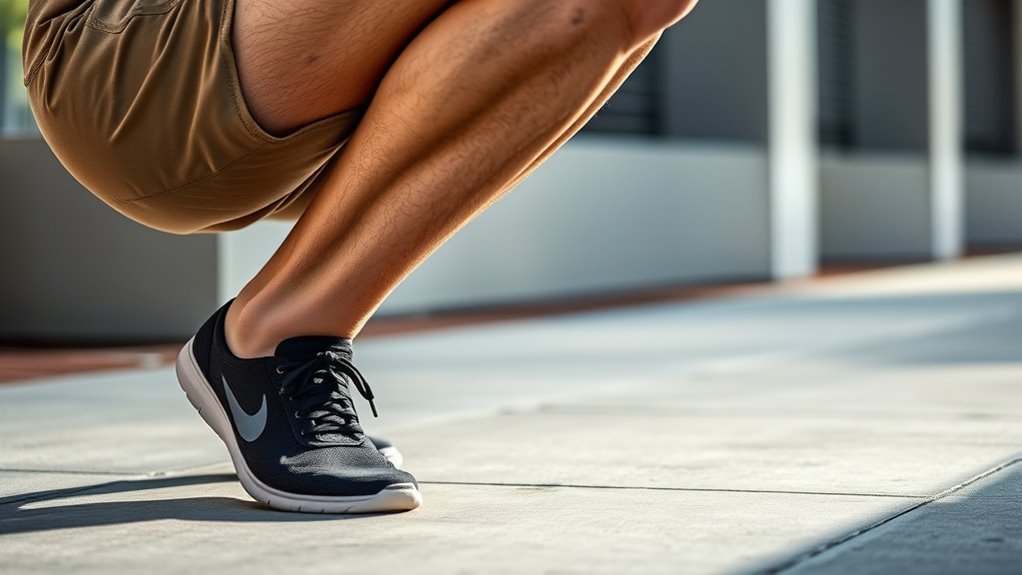
Although pistol squats are a powerful exercise, they can cause knee pain if you don’t maintain proper alignment. If your knee collapses inward during the movement, it irritates the kneecap, tendons, and cartilage, increasing joint stress.
Maintaining proper knee alignment during pistol squats is crucial to prevent irritation and joint stress.
Poor knee tracking and inadequate movement control under load make this irritation worse. To protect tissue health, you need to build knee stability through muscle strengthening, especially targeting the lateral hip rotators.
Avoid excessive range of motion that overstresses tendons, particularly when your tissues aren’t ready for deep flexion. Also, be cautious with regressions; using unsupported or overly advanced variations too soon can add unnecessary joint stress and amplify knee pain.
Focus on controlled, stable movement to prevent injury and safely reap the benefits of pistol squats. Taking it slow and steady will help you get stronger without pain.
How to Safely Progress Pistol Squats With Regressions and Support Tools
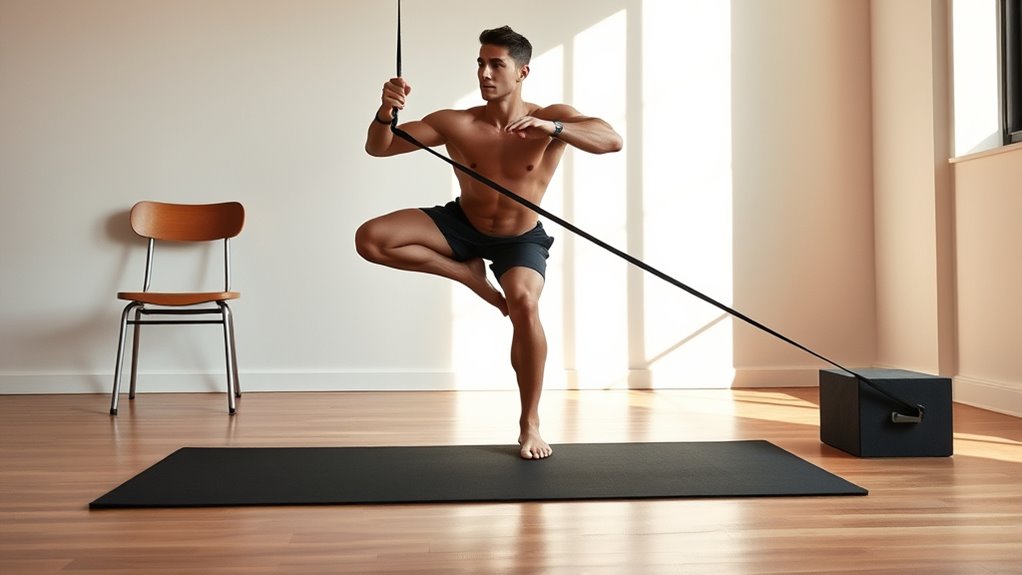
When you’re working to master pistol squats, using regressions and support tools can help you build strength and control without overloading your knees. Start with regressions like eccentric-only pistol squats or partial range of motion to develop control gradually.
Use support tools such as TRX straps or poles to stabilize your squat and reduce joint stress. Focus on knee safety by maintaining proper alignment and avoiding inward collapse.
Only progress to unsupported pistol squats when you have enough mobility and strength. Here’s a safe progression to follow:
- Eccentric-only pistol squats to build strength
- Partial range of motion squats for control
- Assisted pistol squats using support tools
- Full range of motion, unsupported pistol squat
This approach protects your knees and ensures steady, safe progression. Give it time and listen to your body!
Frequently Asked Questions
What Is the Safest Squat for Knees?
The safest squat for your knees is a controlled, shallow box squat or supported goblet squat. Keep your knees aligned with your toes, avoid inward collapse, and maintain a neutral spine to protect your joints effectively.
What Is the #1 Mistake for Bad Knees?
The number one mistake you make is letting your knees cave inward during pistol squats. That’s where the rubber meets the road—losing control here puts unnecessary stress on your joints, risking injury and pain.
What Are the Worst Leg Exercises for Knees?
The worst leg exercises for your knees include deep pistol squats, heavy leg presses with knees past toes, jumping lunges, and poorly controlled single-leg squats. They overload joints, cause poor tracking, and increase injury risk if done improperly.
Is It Safe to Do Pistol Squats?
Yes, you can safely do pistol squats if you use proper form, build strength gradually, and guarantee good mobility. Start with assisted versions, listen to your body, and avoid them if you have knee pain or injuries.
Conclusion
So, if you love knee pain, by all means, plunge into pistol squats without warming up or checking your form. But if you’d rather keep your knees happy, take it slow, use support, and master the basics first.
Turns out, you don’t need to be a daredevil to build strength—you just need a bit of patience and smart progressions. Who knew saving your knees could be this simple?
To protect your knees while doing pistol squats, focus on proper technique and warming up thoroughly. Using support like a chair or TRX bands can help maintain balance and reduce strain. Gradually increase difficulty as your strength and stability improve.
In conclusion, pistol squats aren’t inherently bad for knees if done correctly. Prioritizing form, warming up, and progressing safely can help you strengthen your legs without knee pain. So, approach pistol squats with care and patience, and you’ll build strength while keeping your knees safe and healthy.