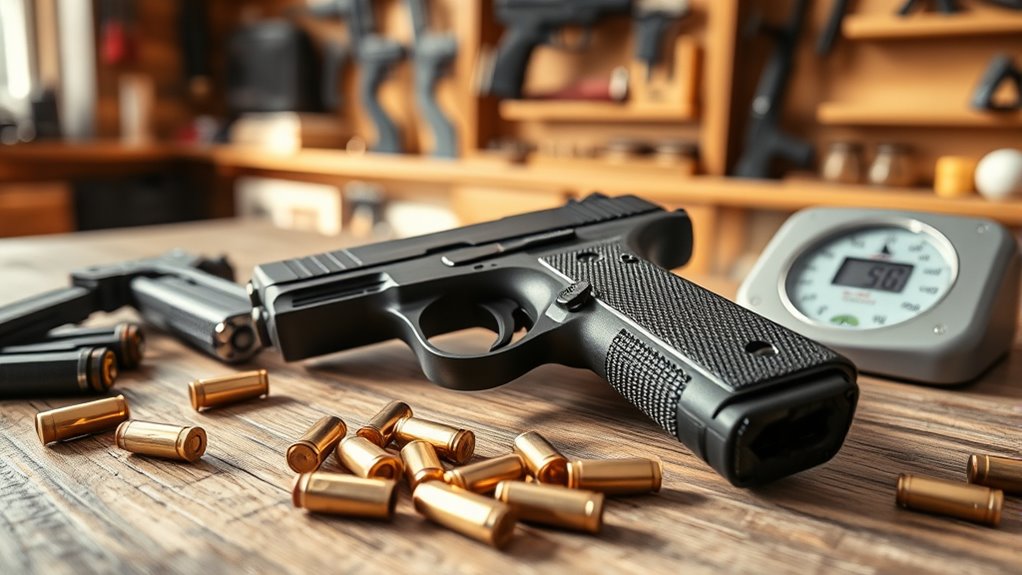
7 Factors That Determine How Much a 9mm Pistol Costs
When you buy a 9mm pistol, expect to pay based on several key factors like brand reputation, quality materials, and manufacturing precision. These elements really set the baseline price for your firearm.
Features like optics or enhanced safety mechanisms can add to the cost, and customizations will usually raise the price even more.
New pistols typically cost more than used ones, but the condition and any modifications on a used pistol also impact its value.
Legal regulations and market demand play important roles too.
If you want to understand how each of these factors shapes the price and helps you choose wisely, keep exploring what influences the costs of a 9mm pistol. It’s worth knowing so you get the best bang for your buck!
Key Takeaways
– Brand reputation and manufacturing quality significantly influence price due to materials, craftsmanship, and rigorous testing.
If a brand is known for reliability and precision, you can expect to pay more.
– Advanced features, technology, and customizations like optics and upgraded triggers increase the overall cost.
These extras really add up but can make a big difference in performance.
– Market demand and regional legal regulations affect availability and final pricing of 9mm pistols.
Where you live can play a huge role in how much you’ll pay.
– New pistols cost more but include warranties, while used ones are cheaper depending on condition and modifications.
Buying used can save money, but you want to be sure it’s in good shape.
– Additional upgrades and accessories can substantially raise the total expense beyond the base pistol price.
So, the sticker price might just be the start of what you’ll spend.
What Drives 9mm Pistol Prices?
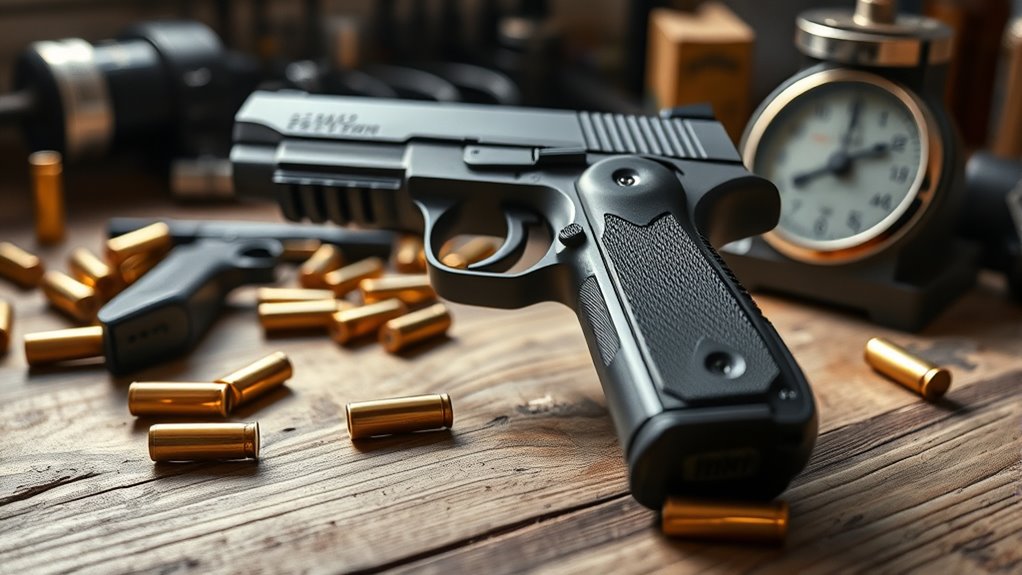
When you look at 9mm pistol prices, several key factors come into play. You’ll find that brand reputation influences pricing because well-known manufacturers invest in quality control and innovation, which raises costs.
Brand reputation impacts 9mm pistol prices due to investments in quality control and innovation.
Advanced features like integrated optics or enhanced safety mechanisms also push prices higher, as these add complexity and value. The materials used, whether high-grade steel or durable polymer, affect both the pistol’s longevity and price.
Craftsmanship matters too; finely crafted or limited-edition pistols cost more due to the skill and time involved. Market demand can drive prices up when certain models become popular or scarce.
Ultimately, legal regulations in different regions impact availability and cost. Compliance with these rules can increase production expenses and affect pricing in your area.
Why Brand Reputation Matters When Buying a 9mm Pistol
When you choose a reputable brand, you’re investing in reliability and consistent performance. Trusted manufacturers often back their pistols with solid warranties and customer support, giving you peace of mind.
This trust not only affects your shooting experience but also impacts the pistol’s resale value down the line. So, picking a well-known brand can really pay off in the long run.
Manufacturer Reliability Impact
Because you want a pistol that performs reliably under all conditions, choosing a manufacturer with a strong reputation matters. Manufacturer reputation often reflects rigorous testing and consistent brand reliability, which reduces the risk of malfunctions.
Trusted brands like Glock or Sig Sauer use quality materials and advanced manufacturing processes, ensuring durability and precision. These factors naturally influence the pistol’s cost but provide peace of mind.
Additionally, reputable manufacturers back their products with solid warranties and offer dependable customer support, making repairs or replacements easier if issues arise. Investing in a reliable brand not only improves your shooting experience but also preserves value over time.
Brand Value And Trust
Choosing a manufacturer known for reliability naturally leads you to contemplate the brand’s overall value and trustworthiness. Established brands like Glock and Sig Sauer have a solid brand reputation that commands higher prices because of proven durability and consistent performance.
When you buy from a manufacturer with a strong reputation, you benefit from rigorous quality assurance and advanced manufacturing processes. This means you’re paying not just for the firearm but also for the brand trust built through positive user reviews and proven reliability.
Plus, reputable brands often provide superior customer support, warranties, and after-sales service, which really boosts the pistol’s long-term value. And if you’re looking at limited-edition or flagship models from trusted manufacturers, these tend to appreciate over time.
How Materials and Craftsmanship Affect 9mm Pistol Cost
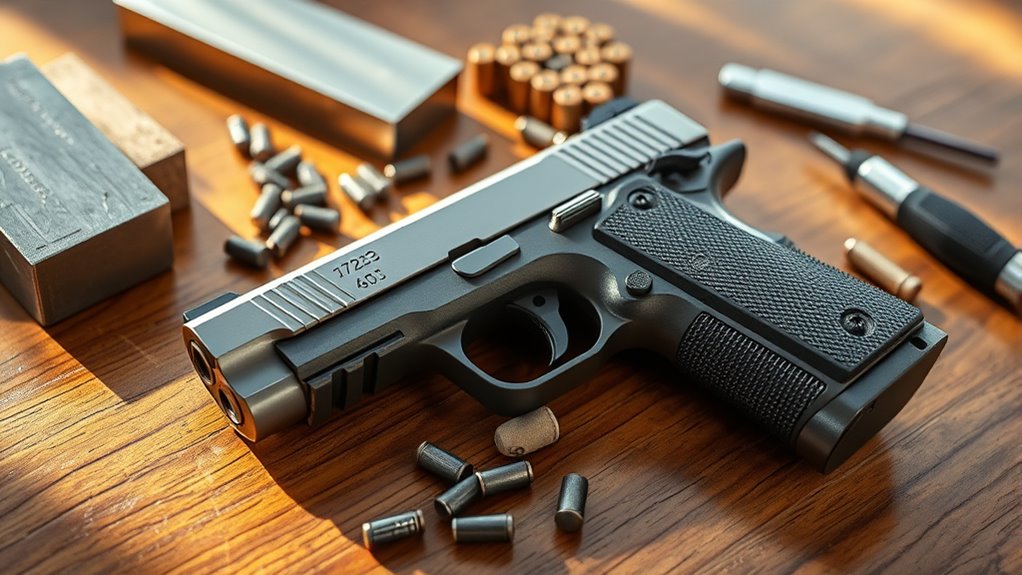
When you choose a 9mm pistol, the quality of materials plays a big role in its price and durability. Precision craftsmanship, like hand-fitting parts, guarantees the gun performs reliably over time.
Both these factors directly affect how long your pistol will last and how much you’ll pay upfront. It’s not just about buying a gun—it’s about investing in something that works well and lasts.
Quality Of Materials
How much you pay for a 9mm pistol often hinges on the quality of its materials and craftsmanship. Using stainless steel, titanium, or carbon fiber boosts durability and strength but raises costs.
Premium coatings like nitride, PVD, or Cerakote enhance corrosion resistance and wear protection, adding to the price. The craftsmanship involved in assembling these materials also impacts cost—pistols with hand-finished parts and tight tolerances demand more labor and quality control, which you pay for.
Cheaper models rely on stamped steel and lower-grade polymers, cutting costs but sacrificing longevity and performance. Ultimately, investing in higher-quality materials and coatings ensures a pistol that’s tougher and longer-lasting, but it also means a higher price tag reflecting that premium build quality.
Precision Craftsmanship
Materials set the foundation, but it’s the precision craftsmanship that truly shapes a 9mm pistol’s performance and price. When manufacturers use premium materials like stainless steel or titanium, they rely on advanced manufacturing techniques such as CNC machining and careful hand-finishing to guarantee every part meets tight tolerances.
This meticulous assembly process guarantees smoother triggers, superior fit, and an exceptional finish, all of which enhance reliability and accuracy. The level of craftsmanship directly impacts costs—custom or limited-edition models, with detailed work and unique materials, demand higher prices due to the extra time and skill involved.
Impact On Durability
Although quality craftsmanship demands more time and skill, it directly boosts a 9mm pistol’s durability and justifies a higher price. When manufacturers use premium materials like stainless steel or apply advanced coatings such as nitride or DLC, you get enhanced corrosion resistance and longevity.
The manufacturing process, especially with hand-finished parts, guarantees each pistol withstands wear better. This attention to detail in craftsmanship impacts both durability and cost.
| Material | Coating Type | Durability Impact |
|---|---|---|
| Stainless Steel | Nitride | High corrosion resistance |
| Titanium | DLC | Exceptional wear resistance |
| Carbon Fiber | None | Lightweight, moderate durability |
| Standard Steel | Basic Coating | Moderate corrosion resistance |
| Polymer | None | Lower durability but cost-effective |
Materials and craftsmanship directly affect durability and price.
How Manufacturing Quality and Techniques Impact Price
When you invest in a pistol crafted with high manufacturing quality, you’re paying for more than just basic assembly. Precision machining and advanced manufacturing techniques like CNC machining ensure each component fits perfectly, boosting performance and reliability.
Using premium materials such as stainless steel or titanium increases production costs but enhances durability. This makes the pistol last longer under tough conditions.
Premium materials like stainless steel and titanium boost durability, ensuring pistols endure tough conditions longer.
Rigorous quality control processes, including extensive testing and inspection, further raise expenses. But they guarantee consistency and safety in every firearm.
These factors combine to elevate the pistol’s price, reflecting the meticulous craftsmanship behind it. So, when you choose a 9mm pistol with superior manufacturing quality, you’re investing in a durable, reliable weapon built to perform accurately and withstand frequent use.
How Features and Technology Drive Up 9mm Pistol Prices
Because manufacturers integrate advanced features and cutting-edge technology into 9mm pistols, you’ll often find these models come with higher price tags. Features like integrated red dot sights and sophisticated safety mechanisms add to production costs.
Using innovative materials such as lightweight alloys enhances durability but increases expenses. Precision craftsmanship in premium models demands skilled labor and time, pushing prices up.
Technological enhancements like modular grips or suppressor-ready sights also contribute considerably. It’s these upgrades that make the pistols more appealing but also pricier.
New vs. Used 9mm Pistols: What Affects Price Differences
Advanced features and the latest technology often drive up the cost of new 9mm pistols, but you might find better deals by considering used models. New pistols usually come with a warranty and show minimal wear, justifying their higher price.
On the other hand, used pistols can be 20% to 50% cheaper, depending largely on their condition and age. When buying used, you’ll want to carefully evaluate wear, maintenance history, and any modifications, as these factors affect both price and reliability.
Purchasing from reputable dealers ensures the firearm’s quality and legality. Keep in mind, heavy wear or non-original parts can markedly reduce a used pistol’s value.
Ultimately, your choice between new and used depends on your budget and willingness to assess condition versus warranty coverage. It’s all about what feels right for you!
How Accessories and Customizations Add to 9mm Pistol Costs
Though the base price of a 9mm pistol might fit your budget, adding accessories and customizations can quickly increase the total cost. Upgrading your pistol with aftermarket parts and accessories lets you tailor it to your needs but often adds significant expenses.
The base price may fit your budget, but upgrades and accessories can quickly raise the total cost.
Consider these common cost factors:
- Sights: Upgrading from standard to fiber-optic or night sights usually costs $50 to $200.
- Customizations: Aftermarket triggers, grips, or slide modifications range from $50 to over $300.
- Accessories: Adding red dot sights, laser pointers, or threaded barrels can increase costs by $100 to $500+.
Don’t forget that custom finishes or cerakoting may add $150 to $500, further raising the total price.
Balancing these upgrades helps you control how much your 9mm ultimately costs. So, think about what you really need before going all in!
Frequently Asked Questions
What Is the 3-3-3 Rule in Self-Defense?
The 3-3-3 rule in self-defense means you shoot three rounds within three yards in three seconds. You’ll train to react quickly and accurately, stopping a threat effectively before it escalates.
How Much Should I Pay per Round 9mm?
You should pay between $0.15 and $0.40 per 9mm round, depending on your needs. For training, stick to $0.15–$0.20 ammo, while premium or self-defense rounds may cost closer to $0.30–$0.40.
What’s a Good Cheap 9mm?
You can find reliable 9mm pistols like the Smith & Wesson SD9VE for around $250. They’re budget-friendly, safe, and great for beginners, giving you solid performance without breaking the bank or sacrificing quality.
What Is the Average Price of a Good Pistol?
You can expect to pay around $400 to $700 for a good pistol. If you want something entry-level, prices might be closer to $300 to $500, while premium models easily go beyond $1,000.
Conclusion
When choosing a 9mm pistol, you’ve got to consider more than just the price tag. Brand reputation, materials, craftsmanship, and features all play a role in what you’ll pay.
Are you willing to invest in quality and customization for better performance? Whether new or used, understanding these factors helps you make a smarter buy.
So, next time you shop, ask yourself: what’s truly worth your money in a 9mm pistol? Remember, the cost isn’t just about the upfront price—it’s about value, durability, and how well the gun fits your needs. Taking time to weigh these factors can lead to a purchase that’s both satisfying and smart. After all, knowing what affects a 9mm pistol’s cost means you can find the right balance between budget and quality.