What Is a Single Action Pistol and How to Use It
A single-action pistol fires by releasing a hammer you manually cock before the first shot, either with your thumb or by cycling the slide. This initial cocking is essential because it sets the pistol up for firing.
After that, the pistol automatically cocks the hammer for each follow-up shot, giving you a short, light trigger pull that improves accuracy.
You’ll need to keep your finger off the trigger when cocking and always engage the safety before handling. This helps prevent accidental discharge and keeps things safe.
To use it confidently and safely, understanding these steps is key to mastering its precise operation. Once you get the hang of it, operating a single-action pistol becomes smooth and reliable.
Key Takeaways
- A single-action pistol fires by releasing a manually cocked hammer with a short, light trigger pull for precise shooting. The first shot requires manual hammer cocking via thumb or slide, while subsequent shots cock automatically.
- Always verify the pistol is unloaded and engage the manual safety before handling or cleaning. It’s super important to keep your finger off the trigger during cocking.
- Only disengage the safety when you’re ready to fire. Manual cocking promotes deliberate shooting, which really helps enhance control and safety during use.
What Is a Single-Action Pistol?
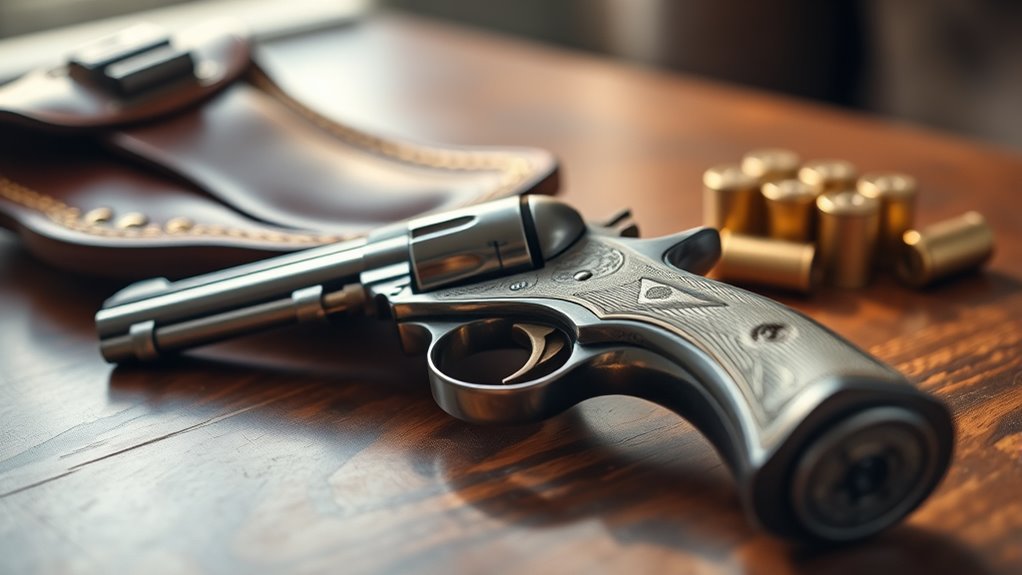
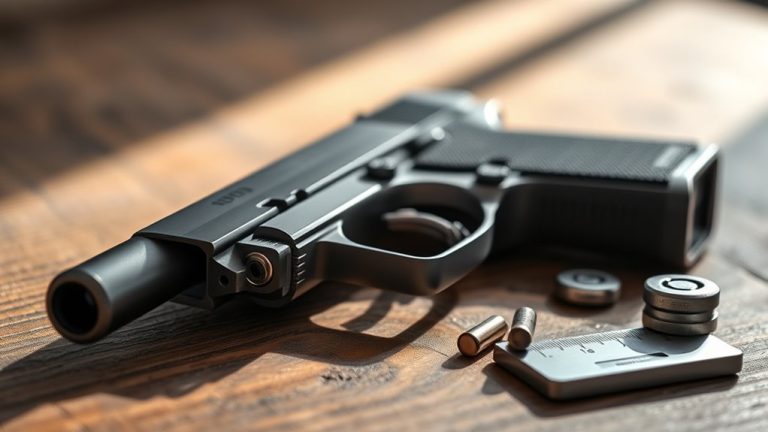
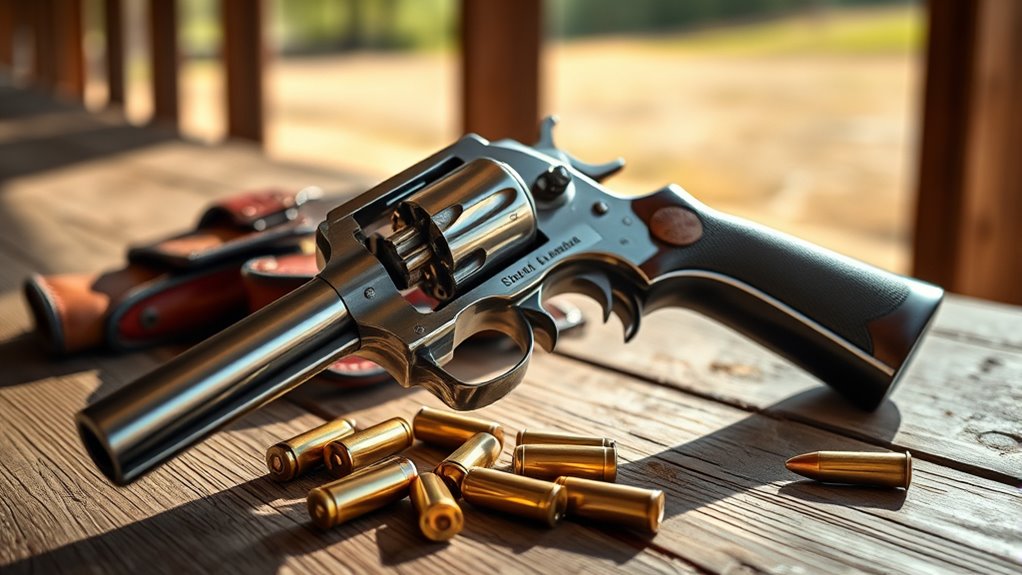
What makes a pistol single-action? A single-action pistol features a trigger mechanism that only releases the hammer to fire, so you have to manually cock the hammer before the initial shot.
This manual cocking, often done by thumb or cycling the slide, sets the exposed hammer in place. Once cocked, the trigger pull is short, light, and crisp, giving you excellent control and accuracy.
After that first shot, the pistol’s automatic cocking system takes over, preparing the hammer for following shots without extra effort. This deliberate firearm operation style demands your attention but rewards you with a precise trigger.
Understanding how the hammer, trigger pull, and cocking work together helps you appreciate the unique design and shooting experience of single-action pistols.
How to Use a Single-Action Pistol Safely
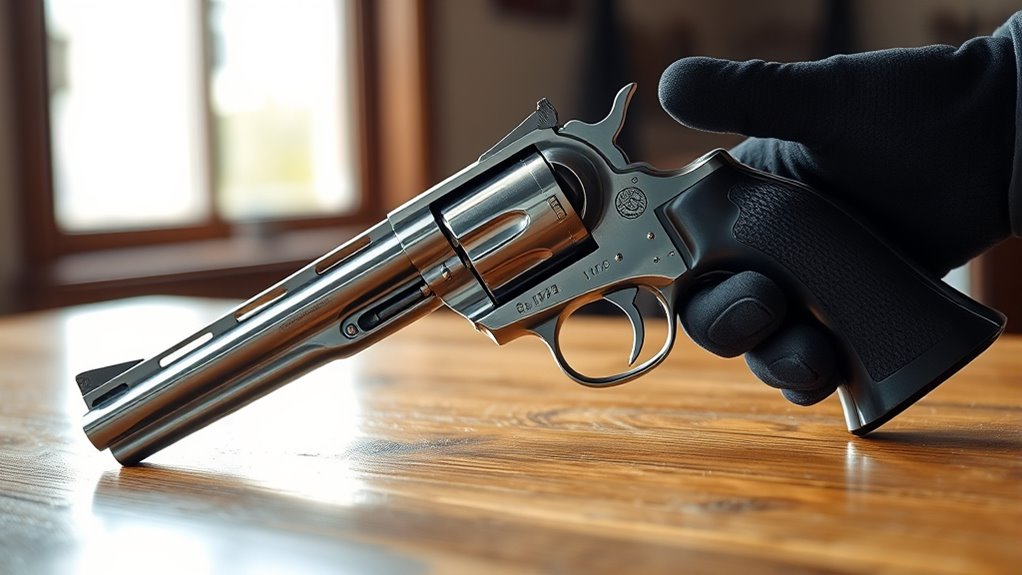
Handling a single-action pistol requires careful attention to safety, especially since you need to manually cock the hammer before the first shot. Always verify the firearm is unloaded and the manual safety is engaged before handling or cleaning it.
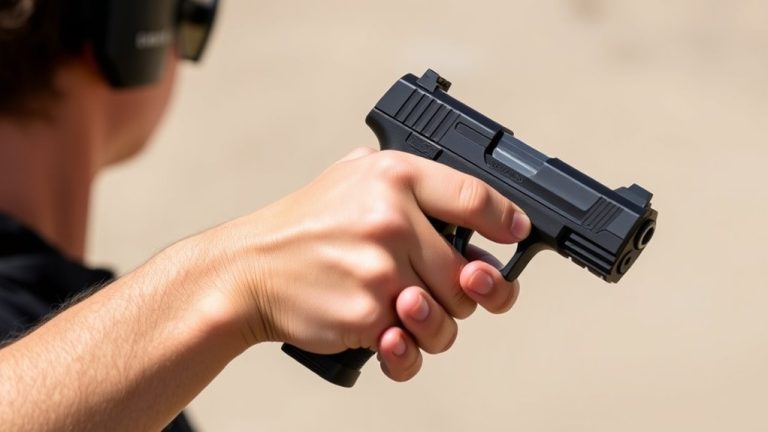
Use your thumb or rack the slide for manual cocking, keeping your finger off the trigger and outside the trigger guard during this process. When ready to fire, point the pistol in a safe direction, disengage the safety if needed, and gently squeeze the trigger to avoid an accidental discharge.
After shooting, engage the manual safety again and carefully unload the pistol, confirming the chamber is empty. Following these firearm safety steps minimizes risks and ensures safe handling during the initial shot and all trigger pulls.
Frequently Asked Questions
What Is the Point of a Single-Action Pistol?
The point of a single-action pistol is to give you a crisp, light trigger pull for better accuracy. You’ll manually cock the hammer before each shot, helping you fire intentionally and maintain precise control.
What Is an Example of a Single-Action Pistol?
Imagine cocking a classic Colt 1911 before each shot—that’s your example of a single-action pistol. You manually cock the hammer, then your trigger pull simply releases it, offering precision and control every time you fire.
Which Is Better, a Single-Action or Double-Action Pistol?
It depends on your needs. You’ll prefer single-action for precision and lighter triggers, but double-action offers quicker shots and extra safety. Choose based on your training, purpose, and comfort with each pistol type’s features.
Is a Glock a Single-Action Pistol?
Think of a Glock like a sprinter ready at the blocks—yes, it’s considered single-action since the striker’s pre-cocked, and your trigger simply releases it, giving you a consistent, smooth shot every time.
Conclusion
Now that you know what a single-action pistol is, remember: mastering it is like learning to dance with precision and respect. You’ll need steady hands and sharp focus, but with safe handling and consistent practice, you’ll gain confidence and control.
Treat your pistol not just as a tool, but as an extension of your responsibility. In your hands, safety and skill become partners—leading you toward mastery every time you shoot.
Using a single-action pistol requires patience and care. It’s all about understanding how the trigger works and getting comfortable with the mechanics. When you approach it with respect and awareness, you’ll develop the skills needed to handle your pistol safely and effectively.
So, keep practicing safe handling techniques and focus on building your control. With time, your single-action pistol won’t just be a firearm—it’ll be a trusted extension of your skill and responsibility. That’s the key to becoming a confident and responsible shooter.