How Much Does a Pistol Weigh: 10 Facts
A typical pistol weighs between 1.5 to 2.5 pounds, making it a manageable choice for most shooters. Full-size models usually offer better recoil control, which is great for accuracy and comfort.
On the other hand, compact pistols are designed for easier carry, perfect if you want something lightweight and convenient.
Frame materials play a big role in a pistol’s weight. Steel frames add durability but also extra pounds, while polymer frames keep things light, ideal for concealed carry.
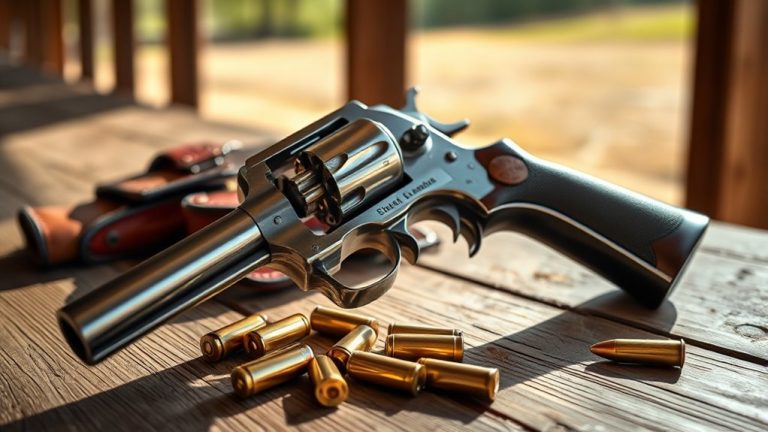
Revolvers tend to be heavier than semi-automatic pistols, mostly because of their design. Plus, larger calibers increase the overall weight but help improve stability when firing.
Heavier pistols reduce felt recoil, which can make shooting more comfortable and improve accuracy. It’s all about finding the right balance that suits your shooting style and needs.
Keep exploring to discover what works best for you!
Key Takeaways
- Full-size pistols typically weigh between 2 to 2.5 pounds. This helps with recoil control and shooting stability.
- Compact and subcompact pistols usually range from 1.5 to 2 pounds. They’re designed for concealment, but you might notice increased felt recoil.
- Revolvers generally weigh 20 to 40 ounces. They’re often heavier than polymer-frame semi-automatics, which can be as light as 20 ounces.
- Accessories like lights and optics add 1 to 8 ounces. While this increases overall pistol weight, it can also improve recoil absorption.
- Pistols under 20 ounces are ideal for concealed carry. They strike a good balance between comfort, concealment, and reliable self-defense performance.
Typical Pistol Weight Ranges and What They Mean
Although pistols come in various sizes and materials, they typically weigh between 1.5 to 2.5 pounds. You’ll find full-size pistols usually weigh around 2 to 2.5 pounds, which helps with recoil management and stability, especially during rapid fire.
Full-size pistols weigh about 2 to 2.5 pounds, aiding recoil control and stability during rapid fire.
Compact and subcompact pistols weigh less, about 1.5 to 2 pounds, making them easier to carry but often sacrificing some control due to increased felt recoil.
If a pistol weighs under 1.5 pounds, it’s very light and great for concealability, but the trade-off is a sharper recoil that can be harder to manage.
Understanding pistol weight helps you balance comfort, control, and carry needs, ensuring you pick the right firearm for your shooting style.
How Size and Design Affect Pistol Weight
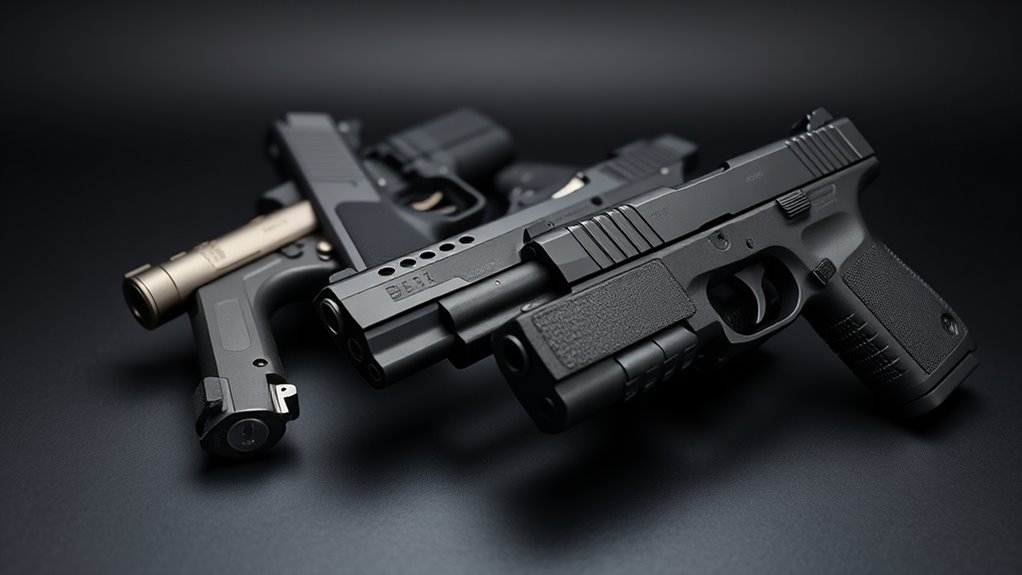
When you choose a pistol, its size and design directly impact how much it weighs. Larger pistols with extended barrels and grips usually weigh more, often surpassing 30 ounces. These full-size models offer better recoil control and stability, making them ideal for accuracy.
On the other hand, compact and subcompact pistols are smaller in size and weigh between 15 to 25 ounces. They’re designed for easier concealment and portability. The weight you pick affects how comfortable it feels during carry, especially if you wear it for extended periods.
How Frame Materials Influence Pistol Weight
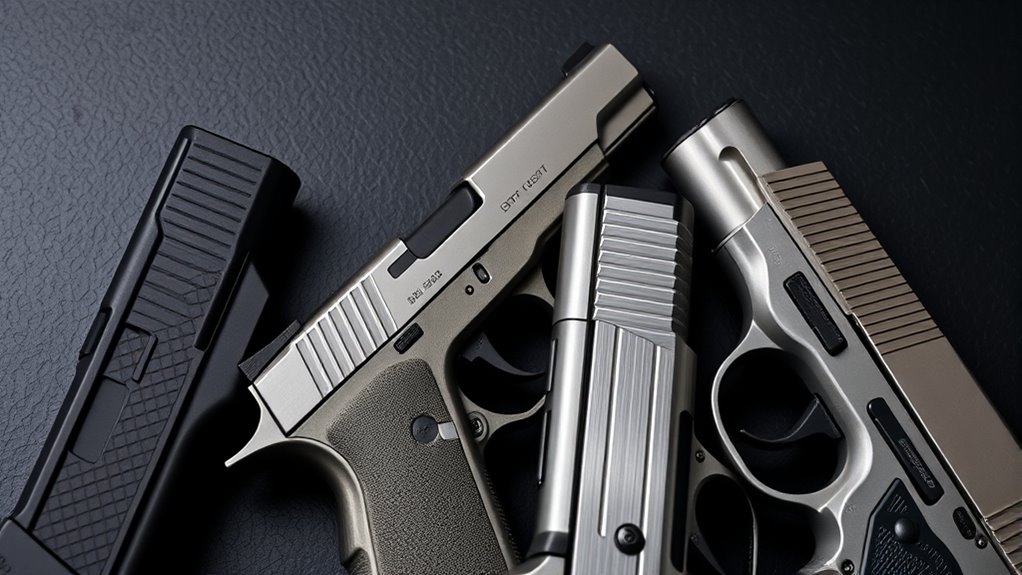
Since frame materials play a key role in a pistol’s weight, choosing the right one can affect how comfortable and manageable your firearm feels. Steel frames, weighing between 28 to 48 ounces, offer durability and better recoil absorption but add noticeable heft.
If you want to reduce weight without sacrificing strength, aluminum alloy frames typically weigh 20 to 30 ounces, making your pistol easier to carry. Polymer frames are the lightest, often around 15 to 25 ounces, perfect for concealed carry and extended use.
Advances in composite materials blend strength with lightness, giving you a balanced option. Ultimately, the frame material directly influences not just weight, but also how your pistol handles, feels, and performs during use.
Comparing Revolver and Semi-Automatic Pistol Weights
The materials shaping your pistol’s frame play a big role in its weight, but the type of pistol you choose matters just as much. When comparing revolvers and semi-automatic pistols, you’ll notice key differences.
Revolvers often weigh between 20 to 40 ounces, with full-sized models like the Smith & Wesson Model 686 around 42 ounces. That extra weight offers greater stability when shooting.
Semi-automatic pistols generally weigh less, typically 20 to 30 ounces. Compact models like the Glock 19 weigh about 23 ounces, making them easier to carry around.
Full-size semi-automatics, with steel components, approach revolver weights near 30 ounces. Meanwhile, polymer-frame versions, like the Springfield XD-S, can be as light as 20 ounces.
Understanding these differences helps you choose between stability and portability in your firearm. It really comes down to what fits your needs best.
How Caliber Choice Impacts Pistol Weight and Handling
When you choose a pistol caliber, you’re also affecting the gun’s weight and how it handles. Larger calibers add weight because the pistol needs stronger parts to manage recoil.
On the other hand, smaller calibers keep things lighter and easier to control. Understanding these differences helps you pick a pistol that feels right for your shooting style.
Caliber Size Variations
How much does caliber really affect your pistol’s weight and handling? The caliber size directly influences the weight because larger calibers require sturdier frames and thicker barrels to handle increased pressure.
Here’s how caliber size variations impact your pistol’s weight:
- Larger calibers like .45 ACP tend to add weight, often pushing pistols above 28 ounces due to reinforced construction.
- Smaller calibers such as 9mm generally weigh less—around 24 ounces—making them lighter but still reliable.
- Subcompact pistols chambered in calibers like .380 ACP or .22 LR typically weigh under 20 ounces, offering easier carry options.
Understanding these differences helps you choose a pistol that balances weight with your intended use and comfort. It’s all about finding the right fit for you.
Weight Impact On Handling
Caliber size doesn’t just influence your pistol’s weight—it shapes how the gun handles in your hand. Larger calibers like .45 ACP or 10mm typically add weight, making the pistol heavier but more stable. This increased weight improves handling by reducing muzzle flip and making follow-up shots easier.
On the other hand, smaller calibers such as 9mm or .380 ACP result in lighter pistols that are easier to carry. But they can challenge your handling during rapid fire due to increased movement.
Remember, barrel length also contributes to overall weight. Longer barrels enhance stability but might make the pistol less comfortable to carry.
Ultimately, the weight of your pistol, influenced by caliber choice, plays a vital role in balancing handling ease and portability. It’s all about finding what works best for you.
Recoil Differences By Caliber
Although selecting a pistol often comes down to personal preference, understanding how caliber impacts recoil and weight can help you make a smarter choice. The caliber you choose affects the pistol’s weight and how manageable the recoil feels when shooting.
Here’s what to weigh:
- Larger calibers like .45 ACP or .44 Magnum usually mean heavier pistols, adding 4 to 8 ounces to help absorb recoil.
- Heavier pistols reduce felt recoil, improving your control and accuracy with powerful rounds.
- Smaller calibers such as 9mm or .380 ACP allow for lighter pistols, often under 25 ounces, since they generate less recoil and need less weight for stability.
How Accessories and Features Add to Pistol Weight
When you add accessories like lights, lasers, or mounted optics to your pistol, you’ll notice its weight increases noticeably. Mounted optics, such as an RMR sight, can add 1 to 2 ounces compared to iron sights.
Tactical flashlights commonly weigh between 4 and 8 ounces, depending on their size and model. Extended magazines and grip modifications also contribute, adding 2 to 5 ounces more.
Altogether, these accessories can increase your pistol’s weight by 10% or more. While this might seem minor, it really impacts how your pistol feels during carry and handling.
Why Heavier Pistols Improve Stability and Accuracy
You’ll notice that heavier pistols help control recoil better, giving you more stability when shooting. With added weight, your support points feel steadier, making it easier to keep your aim on target.
Plus, the extra mass can make your trigger pull feel smoother, improving your overall accuracy. It’s pretty interesting how just a bit more weight can make such a difference, right?
Weight And Recoil Control
Since heavier pistols absorb recoil more effectively, you’ll find better stability and control during shooting. The weight of the firearm directly influences how recoil impacts you, making heavier pistols easier to manage and more accurate.
Here’s why weight and recoil control matter:
- Reduced Muzzle Flip: Heavier pistols minimize muzzle movement, letting you get back on target faster for follow-up shots.
- Less Felt Recoil: The recoil energy spreads over a larger mass, decreasing the sharpness of the kick you feel.
- Improved Grouping: Stability gained from added weight helps you maintain tighter shot groupings and overall accuracy.
Choosing a pistol around 2 pounds over subcompact models under 1.5 pounds can considerably enhance your shooting performance through better recoil management. It really makes a noticeable difference when you’re aiming for precision and comfort.
Stability And Support Points
Although lighter pistols might feel easier to handle at first, heavier pistols actually give you more stability and control by reducing recoil movement and offering extra support points.
The extra weight means more contact with your support hand and arms, which helps you keep a steadier aim. This broader base of support points also means you don’t have to use as much muscle effort to hold the pistol steady, especially during longer shooting sessions.
Plus, the increased mass helps dampen rapid recoil vibrations. That way, you can quickly realign your sights for follow-up shots without losing your focus.
Impact On Trigger Pull
When you handle a heavier pistol, you benefit from its longer, more stable grip that helps reduce hand tremors and improves your shooting stability. The increased weight plays a key role in how you experience the trigger pull and overall control.
Here’s why heavier pistols enhance your shooting accuracy:
- The added weight absorbs recoil energy, allowing smoother, more controlled trigger pulls and reducing muzzle rise.
- Heavier pistols often require a firmer trigger pull, which prevents accidental discharges caused by jerking the trigger.
- The extra mass provides a stable platform, helping you maintain steady aim during rapid or repeated shots.
Advantages of Lightweight Pistols for Everyday Carry
Why choose a lightweight pistol for everyday carry? Lightweight pistols, typically under 20 ounces, reduce fatigue and discomfort. This lets you carry longer without strain.
Their smaller frames and polymer construction improve concealment and mobility, especially under lighter clothing. Plus, they maintain reliable performance and durability for self-defense.
Here’s a quick comparison:
| Feature | Lightweight Pistols | Standard Pistols |
|---|---|---|
| Weight | Under 20 oz | Over 25 oz |
| Comfort | Minimal fatigue | Can cause discomfort |
| Concealment | Easier under clothing | Bulkier, harder to hide |
| Mobility | Enhanced | More restrictive |
| Durability | Reliable modern design | Traditional materials |
Choosing lightweight pistols helps you carry smarter, not harder. It’s all about convenience without sacrificing safety.
Tips for Choosing the Right Pistol Weight
Lightweight pistols make everyday carry comfortable, but choosing the right weight really depends on how you plan to use your firearm. When selecting pistol weights, consider your specific needs to find the perfect balance between carry ease and performance.
Finding the right pistol weight hinges on your unique balance of comfort and performance needs.
For concealed carry, opt for lighter pistols, typically under 25 ounces. They offer comfort and better concealment during daily carry.
If you’re thinking about home defense, heavier pistols over 30 ounces are a great choice. They provide stability and control, which helps with recoil management—something that matters more than carry weight in those situations.
Looking for versatility? Go for models around 25-30 ounces. This range balances manageable recoil with reasonable carry comfort, making it a solid do-it-all option.
How Pistol Weight Affects Recoil and Shooting Comfort
When you pick up a heavier pistol, you’ll notice it absorbs more recoil energy, making shooting more comfortable.
Lighter pistols tend to kick harder, which can throw off your aim and tire you out faster.
Understanding how weight affects felt recoil helps you manage control and improve accuracy.
Recoil Energy and Weight
Although pistols come in various sizes and weights, their weight plays a crucial role in managing recoil energy and enhancing shooting comfort. When you handle a heavier pistol, it absorbs more recoil, making follow-up shots easier and more controlled.
Here’s how weight influences recoil energy:
- Lighter pistols produce more felt recoil, which can affect your shooting rhythm and accuracy.
- Increasing the pistol’s weight by just a few ounces noticeably reduces muzzle rise, helping you maintain better control.
- Recoil energy is proportional to firearm weight; for example, a 23 oz pistol firing a 7.62x39mm round generates about 31.59 ft-lb of recoil energy.
Understanding this balance helps you select a pistol that suits your recoil tolerance and shooting needs. It’s all about finding what feels right for you.
Comfort in Shooting
Understanding how pistol weight affects recoil energy naturally leads to weighing its impact on your shooting comfort. Heavier pistols, like full-size handguns weighing around 2 pounds, produce less felt recoil, making them easier to control and more comfortable to shoot.
When you reduce the weight, recoil and muzzle rise increase, which can challenge your accuracy and comfort, especially during rapid fire. The recoil energy you experience depends on both the gun’s weight and caliber, so lighter pistols generate more felt recoil.
If you plan on shooting for extended periods, a heavier pistol helps reduce fatigue and improves stability, allowing you to maintain better control. Ultimately, balancing weight and recoil directly influences how comfortable and effective your shooting experience will be.
Managing Felt Recoil
Since pistol weight plays an essential role in managing felt recoil, you’ll notice that heavier pistols absorb more energy from each shot, reducing the kick you feel. This makes shooting more comfortable and helps you stay on target.
Here’s how weight affects felt recoil and shooting comfort:
- Heavier pistols, typically over 23 ounces, reduce muzzle rise and recoil energy, allowing better control during rapid fire.
- Lighter pistols under 20 ounces can feel punishing, causing fatigue and less comfortable shooting sessions.
- Even a slight increase in weight can substantially improve recoil management and overall shooting comfort.
Frequently Asked Questions
How Much Does a Pistol Weigh?
A pistol usually weighs between 1 to 2 pounds, depending on its size. You’ll find subcompact models lighter for easy carry, while full-size ones weigh more, helping you manage recoil and improve shooting stability.
How Much Would 10,000 Rounds of 9mm Weigh?
You’d be lugging a small elephant if you carried 10,000 rounds of 9mm—they weigh about 165 pounds total. That’s heavy enough to make you reconsider hauling all that ammo at once!
What Is a 10 Pistol?
A 10 pistol usually refers to a handgun with a 10-round magazine capacity. You’ll find these popular where magazine limits exist, offering compact size and manageable weight while still providing decent firepower.
How Heavy Is a Glock 9?
A Glock 9 is like a feather in your hand, weighing around 23.65 ounces unloaded for the Glock 19, and about 30 ounces loaded. You’ll appreciate its lightweight design for easy handling and quick movement.
Conclusion
So, you want the perfect pistol weight, huh? Just remember: heavier means you’ll feel every shot like a gentle bear hug, and lighter means you’ll carry a feather but might get rattled by a sneeze.
Either way, you’re signing up for a love-hate relationship with recoil and comfort. Choose wisely—or just pick the one that feels right when you’re holding it. Because, honestly, that’s half the battle won.
When it comes to how much does a pistol weigh, it’s all about balancing control and ease of carry. A heavier pistol can help absorb recoil, making follow-up shots easier, but it might tire you out quicker. On the flip side, lighter pistols are easier to carry around but can feel snappy when fired.
In the end, finding the ideal pistol weight is personal. Test a few, feel the difference, and remember that comfort and control go hand in hand. Happy shooting!