What Barrel Length Is Considered a Pistol?
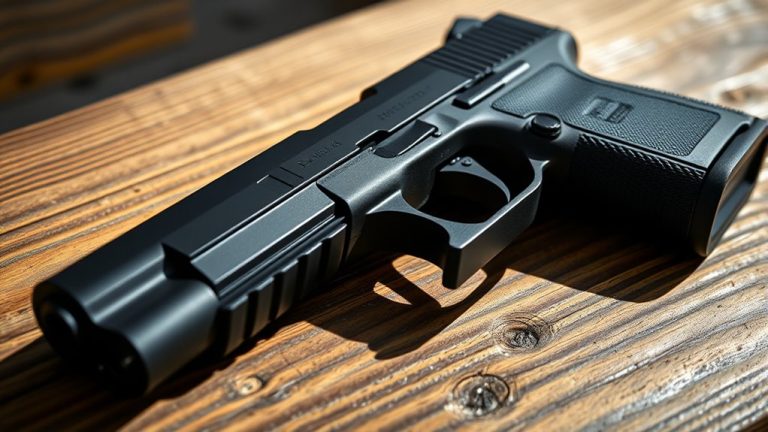
You’ll find that a pistol typically has a barrel shorter than 16 inches and lacks a shoulder stock. This is what separates it from rifles, which usually have longer barrels and shoulder stocks.
Barrel length is key to its legal classification, so it’s an important detail to know.
But it’s not just about the barrel length. Accessories like stabilizing braces can change how the firearm is viewed under the law.
Knowing how these features work helps you stay within regulations and avoid misclassifications.
There’s more to understand about how overall length and attachments influence these rules.
So, if you’re curious about what barrel length is considered a pistol, it’s good to look at the whole picture.
Key Takeaways
- Pistols typically have barrels shorter than 16 inches. A barrel length under 16 inches generally classifies the firearm as a pistol.
- Pistols lack a shoulder stock, which is one way they’re different from rifles.
- Federal classification usually looks at barrel length and design features to decide if something is a pistol.
- Also, accessories like stabilizing braces can affect whether a firearm is still considered a pistol or not.
Legal Definitions of Pistols and Rifles: What Makes Them Different
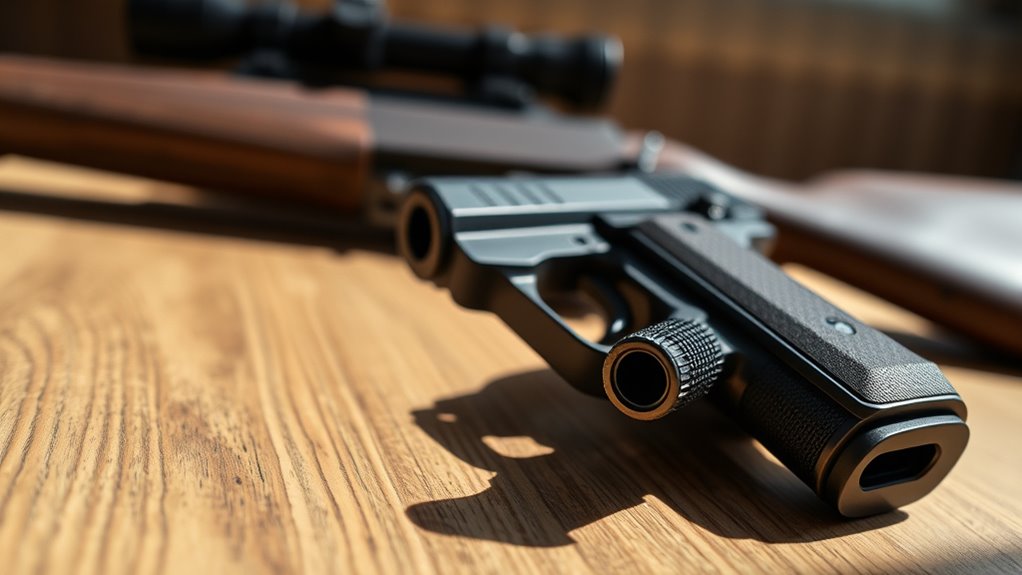
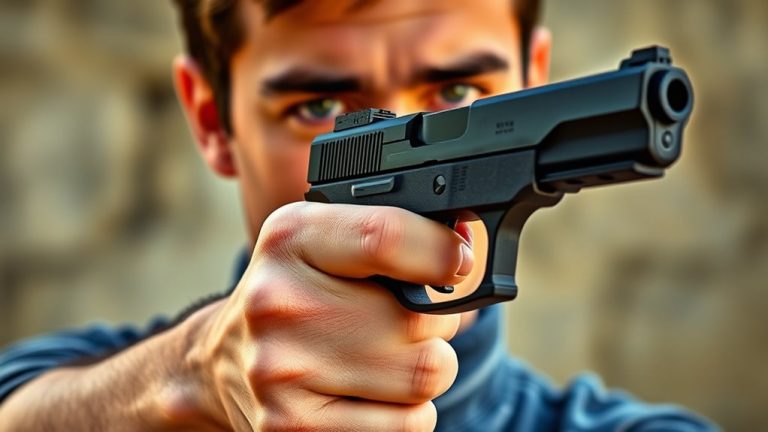
When you look at firearms, the key difference between pistols and rifles lies in their design and intended use. A pistol is designed to be fired with one hand, featuring short barrels and no shoulder stock.
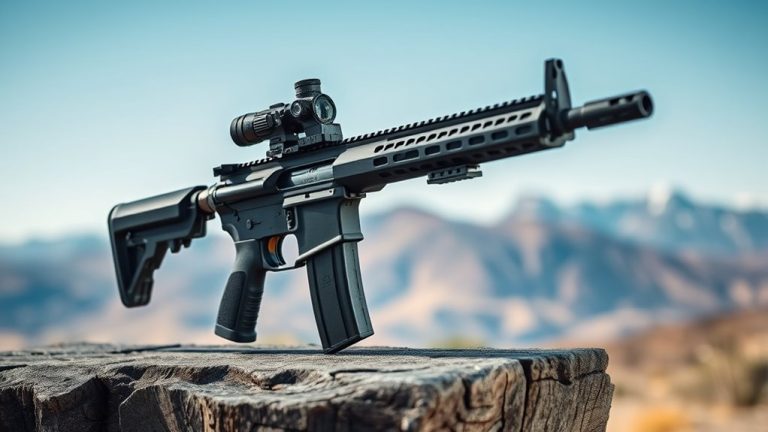
Rifles, on the other hand, have longer barrels—typically 16 inches or more—and include a shoulder stock for stability when fired from your shoulder. The Federal Government, through the ATF, uses these features for classification.
Barrel length and overall length play essential roles in determining whether a firearm is legally a pistol or a rifle. If your firearm has a shoulder stock and a barrel length of 16 inches or longer, it’s classified as a rifle.
Without a shoulder stock and with short barrels, it’s considered a pistol under federal regulations. So basically, it all comes down to the barrel length and whether or not there’s a shoulder stock attached.
How Barrel Length, Overall Length, and Accessories Affect Pistol Classification
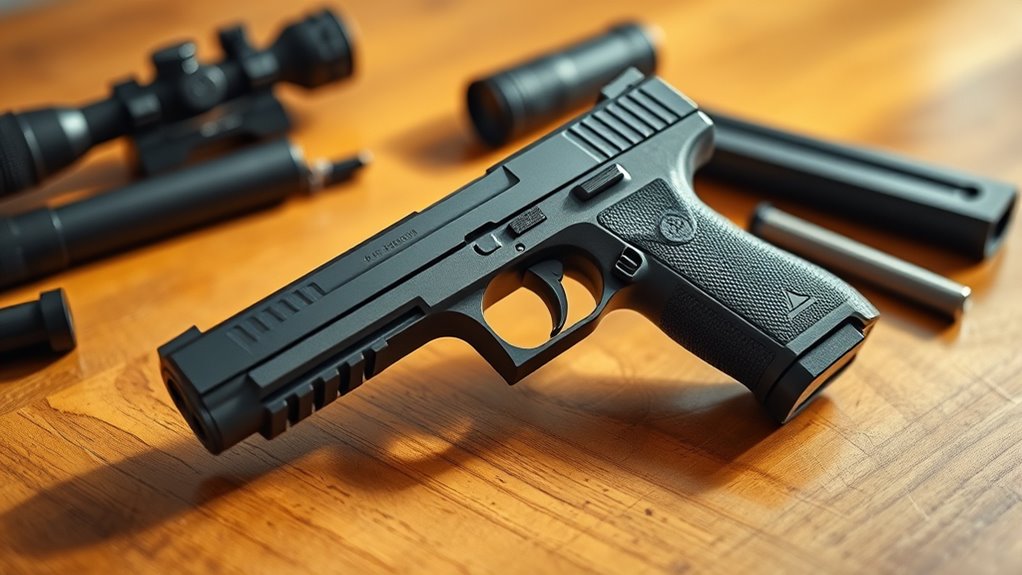
Although barrel length plays a significant role in classifying a firearm, you also need to take into account overall length and any attached accessories. A pistol typically has a barrel length less than 16 inches and lacks a shoulder stock.
But adding a stabilizing brace or collapsible stock can change its firearm classification. These accessories might extend the overall length or alter the firearm’s intended use, pushing it into short-barreled rifle territory.
The ATF closely examines how these factors affect pistol classification, focusing on whether the design supports one-handed operation. So, even if your pistol’s barrel is short, a stabilizing brace or other accessories can impact its legal status.
Understanding how barrel length, overall length, and accessories interact helps you avoid misclassifying your firearm. It’s really important to get this right to stay within the law.
Frequently Asked Questions
Is a 14.5 Inch Barrel Considered a Pistol?
A 14.5-inch barrel can be considered a pistol if it lacks a shoulder stock and is designed for one-handed use. Add a stock, and it might classify as an SBR, not a pistol.
What Barrel Length Does the ATF Consider a Pistol?
The ATF tags any barrel below 16 inches as a pistol, provided it’s designed for single-handed shooting. So, if your barrel measures less than 16 inches and lacks a shoulder stock, it’s legally a pistol.
Is a 13.5 Barrel Considered a SBR?
A 13.5-inch barrel isn’t automatically considered an SBR if it’s on a pistol without a shoulder stock. You’ll only face SBR classification if you add a stock or reconfigure it for shoulder firing.
Is a 7.5 Inch Barrel Considered a Pistol?
Yes, a 7.5-inch barrel is considered a pistol barrel length. You’ll find it common on revolvers and semi-automatics, balancing portability and accuracy, and it’s legally classified as a pistol without a shoulder stock attached.
Conclusion
Understanding what barrel length classifies a firearm as a pistol is like steering through a maze—you need to know the legal twists and turns. Usually, a barrel length under 16 inches and a compact overall size define a pistol.
Remember, accessories and modifications can change its classification, so always check the laws carefully. By keeping these points in mind, you’ll confidently handle and identify pistols without getting lost in legal jargon.
In short, knowing what barrel length is considered a pistol is essential for anyone handling firearms. A pistol typically has a barrel length less than 16 inches, but legal definitions can vary depending on your location and specific modifications. Always stay informed about local laws to ensure your firearm is classified correctly. This knowledge helps you avoid legal trouble and makes pistol identification straightforward and clear.