How Does a Pistol Compensator Work and What Does It Do
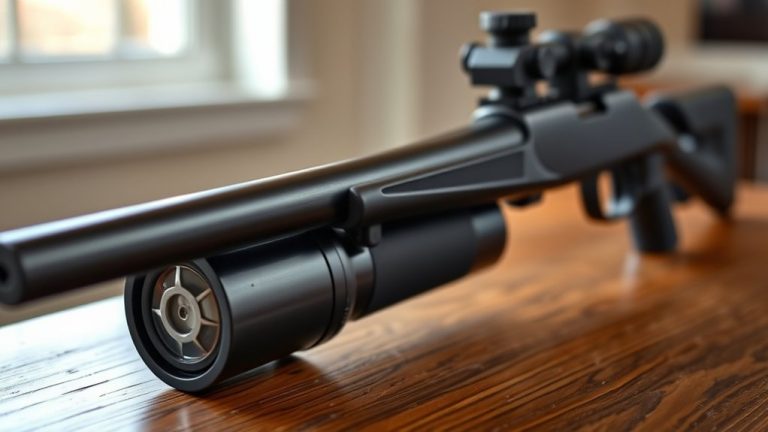
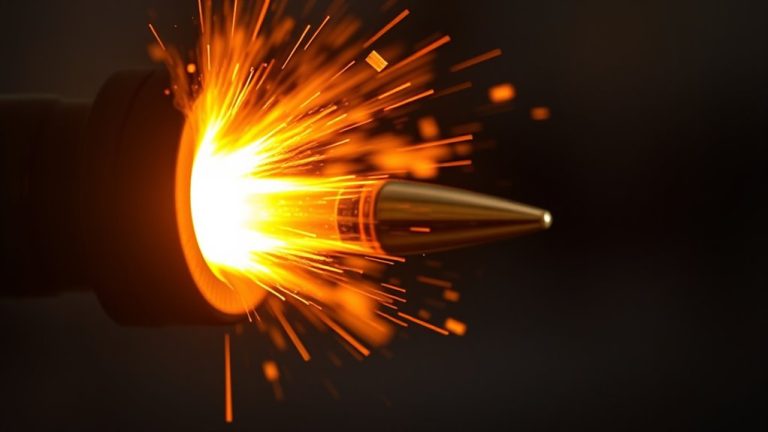
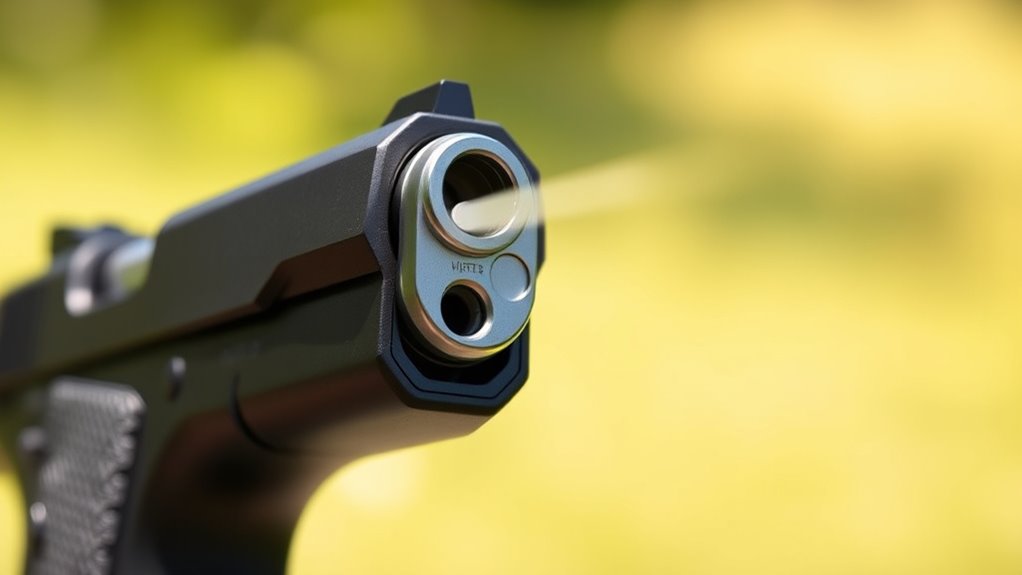
A pistol compensator works by redirecting propellant gases upward through ports, which helps counter muzzle rise and reduces recoil.
This means you can keep the barrel more stable, making your follow-up shots faster and more accurate. Essentially, it’s all about improving control when you’re firing quickly.
That said, there are a couple of things to keep in mind. Using a compensator can increase fouling because of the extra gases vented, and it also directs hot gases upward.
So, you’ll want to think about how often you’re willing to clean your pistol and be aware of the safety aspects.
If you want to get the full picture of the benefits and potential downsides, there’s definitely more to explore about how a compensator impacts your shooting experience.
Key Takeaways
- A pistol compensator redirects propellant gases upward to counteract muzzle rise during firing. It uses ports that vent gases, creating an upward force to reduce barrel movement and muzzle flip.
- By controlling muzzle rise, it improves shooting accuracy and allows faster follow-up shots. Compensators help manage recoil and maintain barrel stability during rapid fire.
- They do need extra cleaning because of increased fouling, though. Plus, vented hot gases can sometimes raise safety concerns.
How Pistol Compensators Control Muzzle Rise
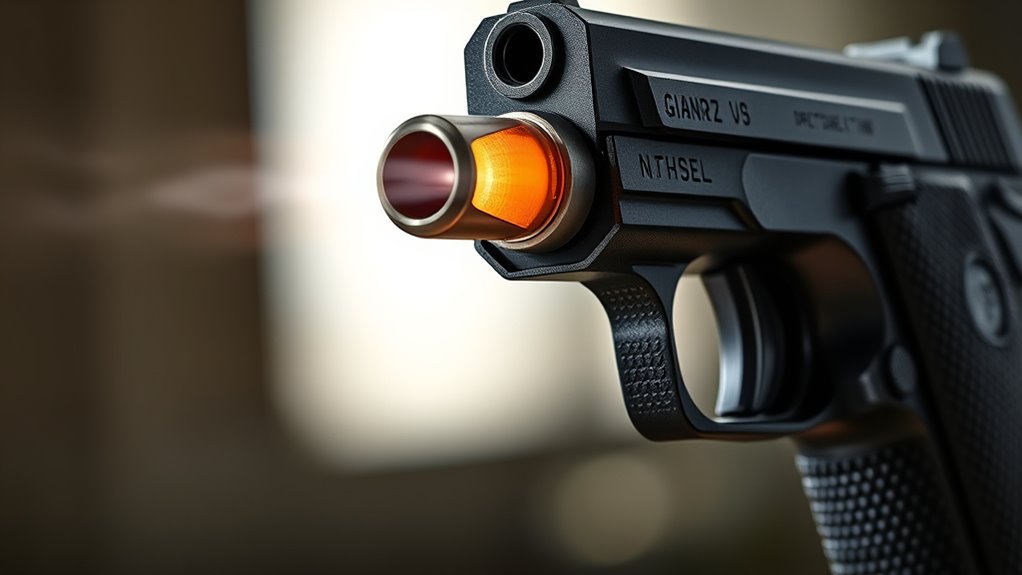
Although firing a pistol naturally causes the muzzle to rise, a compensator helps you control this by redirecting propellant gases upward. When you fire, the compensator vents gas through specially designed ports, creating an upward force that counteracts the natural muzzle rise.
These ports, either machined into the muzzle or attached externally, direct gases upward to reduce muzzle movement effectively. By venting gases upward, the compensator manages recoil and minimizes muzzle flip, allowing you to maintain better control during rapid fire.
This recoil management helps you keep the barrel stable, so follow-up shots are faster and more accurate. The compensator’s success is measured by how much it reduces barrel movement, improving your shooting performance by controlling muzzle rise precisely and efficiently.
Benefits and Drawbacks of Using a Pistol Compensator
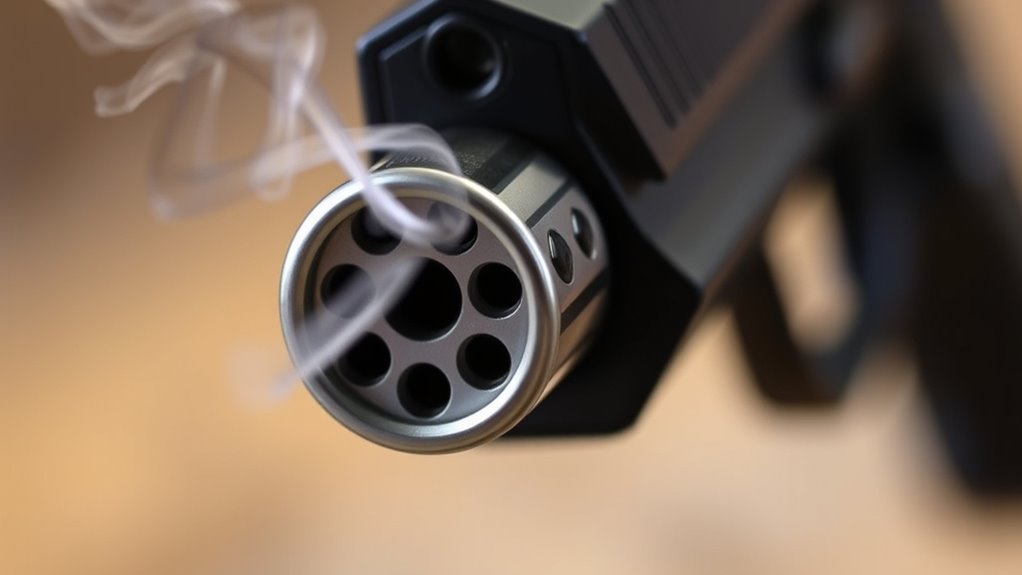
When you add a pistol compensator, you gain better control over muzzle flip, letting you fire faster and more accurately during rapid shots. By using upward gas diversion through a ported barrel, the compensator design reduces muzzle rise and felt recoil, improving shooting accuracy and enabling faster follow-up shots.
However, gas escape can increase fouling, which means you’ll need to clean your pistol more often. Also, upward venting of hot gases may raise safety concerns in close quarters. So, it’s something to keep in mind if you’re shooting in tight spaces.
| Benefits | Drawbacks |
|---|---|
| Reduces muzzle rise | More frequent cleaning |
| Lowers felt recoil | Potential velocity loss |
| Enables faster follow-ups | Hot gas direction risks |
| Improves shooting accuracy | Needs proper tuning |
Frequently Asked Questions
What Is the Downside of a Pistol Compensator?
The downside is you’ll face more muzzle blast, increased fouling, and reduced concealability. It can lower velocity, impair night vision, and cause reliability issues if poorly tuned, making cleaning and maintenance more demanding for you.
Is a Compensator on a 9mm Worth It?
Wondering if a compensator’s worth it? If you want faster, tighter shots and don’t mind extra upkeep, you’ll appreciate the boost. But for casual shooting, it might be more hassle than help. Choose wisely!
Is It Illegal to Put a Compensator on a Pistol?
It’s usually not illegal to put a compensator on a pistol, but you need to check federal, state, and local laws first. Some compensators require ATF approval and a tax stamp, so don’t skip the legal steps.
How Much Does a Compensator Cost?
A compensator usually costs between $50 and $300, depending on the brand, material, and complexity. You might pay more for high-end models or professional installation, but budget options are great for casual shooters starting out.
Conclusion
Using a pistol compensator helps you control muzzle rise like a steady hand guiding a boat through choppy waters. It redirects gases to keep your shots on target, making follow-up shots faster and more accurate.
However, you should also consider the added noise and bulk. These factors might affect your overall shooting experience, especially if you’re used to a quieter, lighter setup.
Whether you’re aiming for precision or speed, a compensator can be a valuable tool. It’s all about balancing the benefits of improved control and quicker follow-up shots against the drawbacks of extra noise and size.
In the end, a pistol compensator works by managing muzzle rise and gas flow, enhancing your shooting performance. If your style leans toward faster, more accurate shooting, it’s definitely worth trying out. Just make sure to weigh these advantages against any potential downsides to see if it fits your needs.