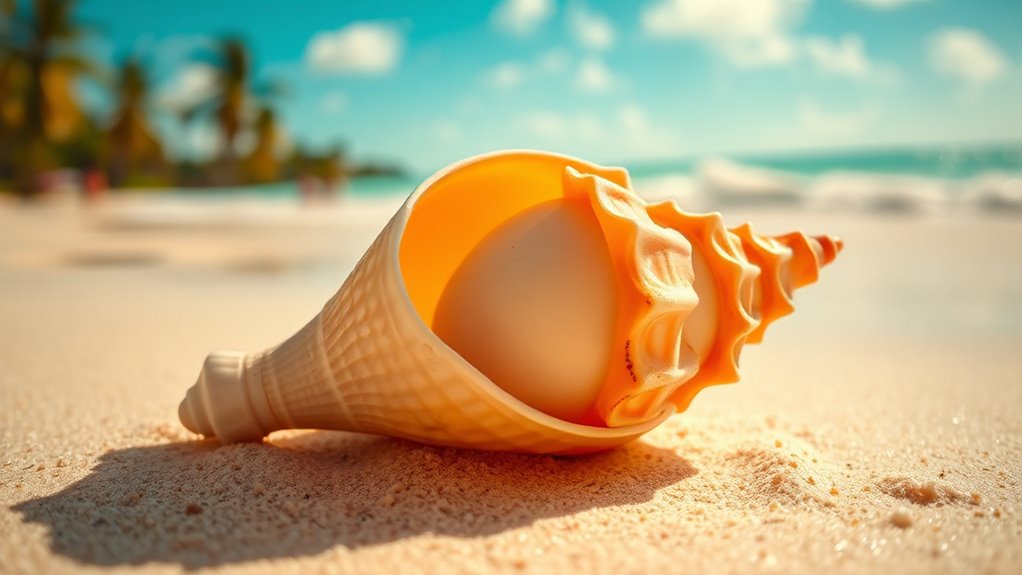
What Happens When You Eat Conch Pistol?
When you eat conch pistol, you’ll notice a firm, chewy texture with a salty, briny flavor that’s very ocean-forward.
It tastes less sweet than other conch dishes and feels almost sinewy, offering an unusual yet intriguing seafood organ experience.
This unique texture and flavor make conch pistol stand out among other seafood options.
You might find it surprising at first, but it’s a cherished island tradition often enjoyed as part of a ritual.
If you keep exploring, you’ll discover how it’s prepared, enjoyed safely, and why it’s so beloved in Bahamian culture.
It’s definitely worth trying if you want to get a true taste of the islands!
Key Takeaways
- Eating conch pistol offers a unique, firm, and chewy seafood organ taste with a salty, briny flavor that’s quite different from conch salad. It’s definitely an experience that stands out.
- People often feel curious and a bit surprised because of its unusual texture and shape compared to more common conch dishes. It’s not something you come across every day!
- Traditionally, it’s prepared with a bit of ritual and served in small bites during island gatherings. These occasions often tie into local culture and even some aphrodisiac stories.
- When you eat conch pistol, you’re getting lean protein and essential minerals. So, it’s not just tasty but also adds some good nutritional value to island diets.
- That said, it’s smart to start with a small amount at first. Avoid eating it raw and make sure it’s sourced hygienically to keep things safe and prevent any unwanted reactions.
What Is Conch Pistol, and Where Does It Come From?
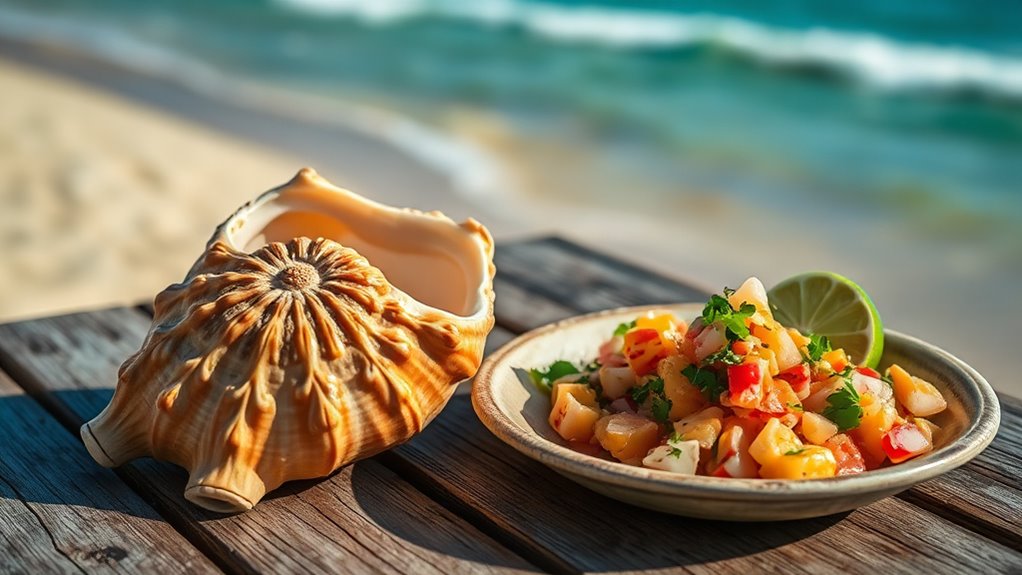
A conch pistol is the male reproductive organ of a conch, a Caribbean sea snail related to the queen conch. When you harvest conch for a meal, you separate this organ from the soft body after cleaning the animal.
In some Bahamian communities, eating the conch pistol is an island tradition, often enjoyed as a novelty. You might have heard last night from locals that it’s an aphrodisiac, but really, it’s just part of the conch’s anatomy, not a separate ingredient.
Whether you eat it raw or prepared depends on local customs or household preferences, but it always comes from the same source—the conch meat itself. When you handle it, its crystal clear appearance is unmistakable and part of its unique appeal.
How Does Conch Pistol Taste and Feel?
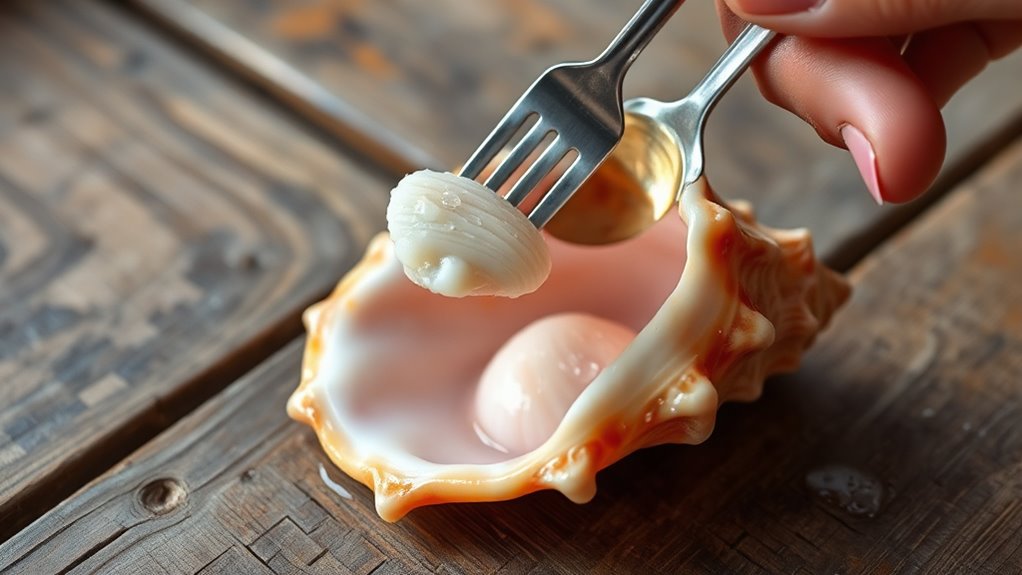
How does conch pistol compare to the rest of the conch meat? Unlike the typical firm, white conch you’re used to, conch pistol tastes more like a mild seafood organ—salty and briny rather than sweet.
When you bite into it, you’ll notice a firmer, chewier texture, almost sinewy, quite different from the flaky or tender meat in conch salad. Since it’s usually eaten raw and undressed, the flavor is more ocean-forward and less bright, lacking the citrus or peppery notes that often accompany prepared conch.
The mouthfeel can feel tougher, reminding you more of worked-over sea creature meats. Any aphrodisiac rumors don’t reflect its taste or texture; what stands out is that strong briny flavor and distinct chewy organ-like feel.
How Is Conch Pistol Traditionally Prepared and Served?
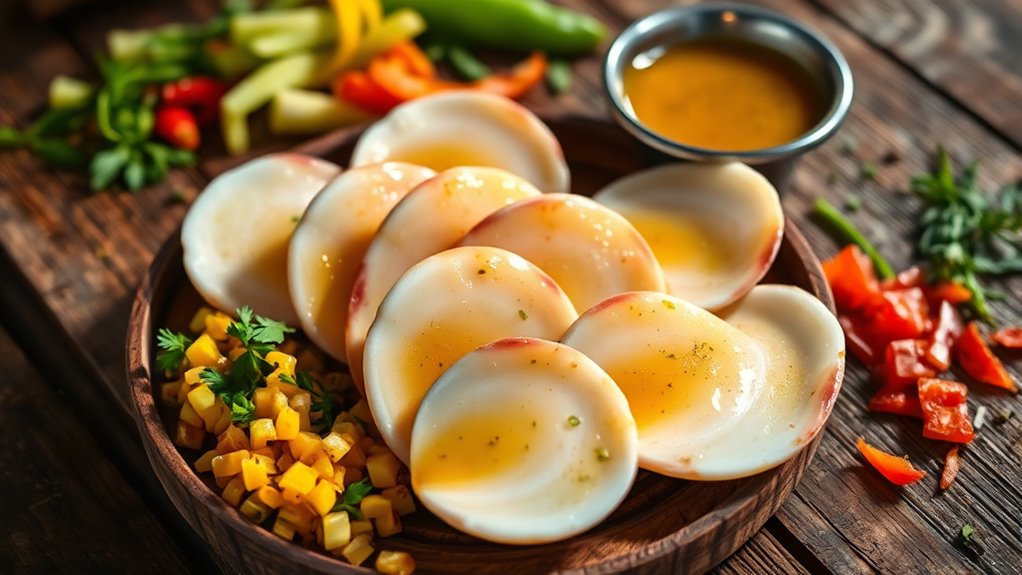
Unlike the more common conch meat you might find in salads or fritters, conch pistol holds a special place in island culinary traditions. If you get the chance to try it, the preparation is quite ritualistic and intimate.
Here’s how it typically goes: First, the conch is cleaned thoroughly, separating the pistol from other parts. Next, the pistol is portioned into small, manageable bites.
It’s often served during conch-prep gatherings, where locals come together to celebrate the tradition. Finally, it’s eaten directly, sometimes photographed, as part of a ritual with aphrodisiac expectations.
You’ll find it’s less about mainstream dining and more about honoring cultural heritage.
How Can You Safely Try Conch Pistol (And What to Expect)?
If you decide to try conch pistol, make sure it’s legally sourced and prepared with strict hygiene to avoid foodborne illness. Opt for freshly cleaned, cooked, or hygienically served conch pistol rather than raw to reduce health risks.
You’ll find it’s a small, chewy organ piece served as a novelty snack, more about island tradition than a typical meal. If you have seafood allergies or sensitivities, it’s best to skip it and choose safer conch dishes like conch salad.
Start with a tiny taste and stop immediately if you notice any adverse reactions. Always practice good food safety, including clean hands, safe storage, and fresh ingredients, to enjoy this unique experience without unnecessary risks.
Common Reactions to Trying Conch Pistol
What do people usually feel when they try conch pistol for the first time? You’ll likely start with curiosity and anticipation, since it’s a local delicacy often linked to island traditions.
When you take that first bite, expect these common reactions:
- Mild surprise at the unique shape and texture compared to regular conch dishes.
- A quick “okay, I can handle this” as you get used to the taste.
- A sense of fun, since it’s often part of a cultural eating ritual, not just food.
- Smiles and laughter as friends capture the moment, making it feel like a lighthearted dare rather than a serious experience.
What Nutritional Benefits Does Conch Pistol Offer?
After enjoying the unique taste and texture of conch pistol, you might wonder what nutritional value it adds to your diet. Conch pistol is a great source of lean protein, offering a firm yet chewy bite that fits well into higher-protein, lower-fat eating patterns.
It also provides essential minerals like iron and other trace elements common in marine mollusks, which support your overall health. Since conch feeds on algae, its nutrient profile reflects marine plant benefits rather than predatory sources, making it a wholesome choice.
When eaten fresh and simply prepared, like in Bahamian conch salad, conch pistol retains its nutritional integrity without the downsides of heavy processing. Including conch pistol can help diversify your protein options while delivering key nutrients from the sea.
Why Is Conch Pistol a Bahamian Favorite?
Because it’s steeped in island tradition and local lore, conch pistol holds a special place in Bahamian culture. You’ll find it celebrated not just as food but as an aphrodisiac snack, sparking curiosity and conversation.
Here’s why conch pistol is a Bahamian favorite:
- It’s linked to island cooking days, where locals “test” the conch pistol as part of the experience.
- Many see it as a rite of passage, inviting friends and visitors to join in the fun.
- It’s often mentioned alongside other fresh conch dishes, highlighting its cultural significance.
- The rumors about its effects make it a sought-after delicacy beyond typical conch meat dishes.
When you try conch pistol, you’re tasting a beloved Bahamian tradition.
Tips for Pairing Flavors With Conch Pistol
Enjoying conch pistol is more than just tasting tradition—it’s about balancing its delicate, briny-sweet flavor with the right ingredients. You’ll want to brighten the taste with citrus like lime or orange juice and add a dash of black pepper for a subtle kick.
Pair it with mango and chili peppers to echo the classic mango-citrus-pepper combination found in conch salad. This combo really brings out the natural sweetness.
Since conch can be firm and chewy, contrast it with crispy fried sides or a crunchy salad featuring lettuce and peppers. It’s all about mixing textures to keep things interesting.
Add savory depth with garlic and light herbs like oregano or thyme. Just avoid heavy sauces so the seafood’s character can really shine through.
Keep your flavor pairings light and fresh, especially if you’re serving conch pistol as an appetizer. It makes for a bright, tasty start to any meal.
Frequently Asked Questions
How Much Is a Real Conch Shell Worth?
A real conch shell can be worth anywhere from a few dollars to hundreds, depending on its size, condition, and maturity.
You’ll get the best price if it’s intact, glossy, and has a thick, flared lip. It really makes a difference how well it’s preserved.
Can You Eat Florida Conch?
Yes, you can eat Florida conch, but stick to the meat, usually the foot muscle. Make sure it’s properly cooked and sourced legally.
Avoid eating unusual parts like the “conch pistol” since it’s just a rumor. Better safe than sorry!
Is Conch Good for You?
You’re in for a wholesome treat—conch is a lean, protein-packed choice that supports your health. It’s gentle on your system and offers essential minerals.
Is Conch Meat Legal?
Yes, conch meat is permissible if you buy it from authorized vendors or restaurants that follow local fishing laws.
You should always ensure the conch was harvested sustainably and legally to avoid any legal issues or environmental harm.
It’s best to double-check where your conch comes from so you can enjoy it without worries.
Conclusion
When you eat conch pistol, you enter a world of vibrant flavors. You feel the tender yet chewy texture and savor the fresh ocean breeze with every bite.
You’ll experience tradition on your tongue and taste the Bahamian sun. Plus, you get a nutritious boost that energizes your day.
Embrace the tangy, the spicy, and the sweet—let conch pistol awaken your senses. It brightens your plate and connects you to the sea’s rich heritage.
In short, eating conch pistol is more than just a meal. It’s a delicious experience that brings together flavor, culture, and nutrition. Whether you’re craving something fresh or looking to enjoy a taste of the Bahamas, conch pistol is the perfect choice to satisfy your appetite and nourish your body.