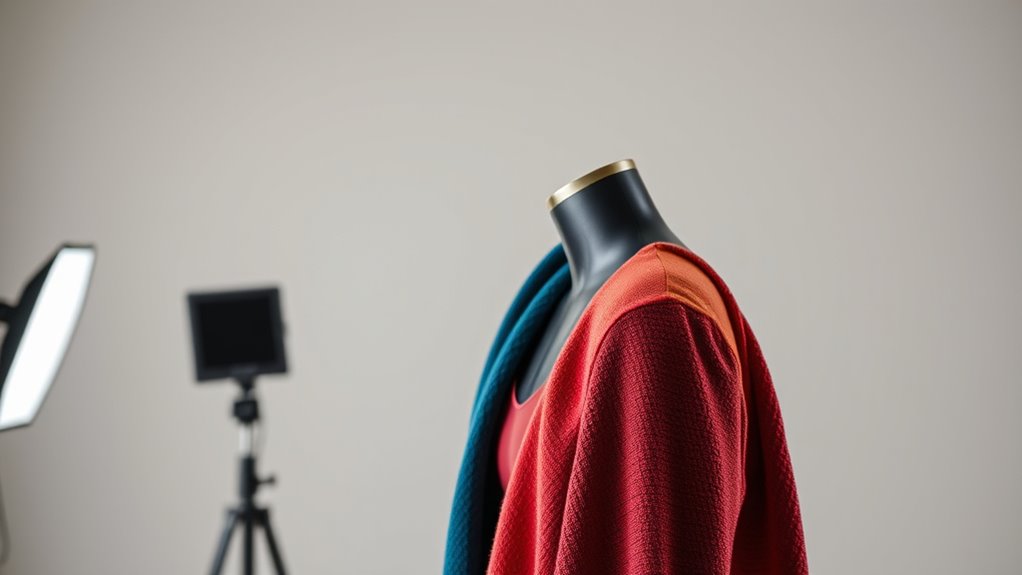
5 Best Camera Settings for Clothing Photography in 2027
For clothing photography in 2027, getting the camera settings right is key to capturing stunning apparel shots. Whether you’re shooting indoors or outdoors, balancing sharp fabric details with the perfect background blur can make a huge difference in how your photos turn out.
Let’s dive into the top camera settings that will help your clothing photos look professional and vibrant.
Set your aperture between f/4 and f/5.6 to achieve that balance of sharpness and subtle background blur. A shutter speed around 1/125 is great for freezing motion, but feel free to go faster if your subject is moving.
Keep your ISO low, around 100-200, when shooting outdoors to avoid grainy images. Indoors, you might need to raise the ISO a bit to keep noise at bay while maintaining good exposure.
Rely on natural or diffused lighting whenever possible—it really brings out true colors and fabric textures.
And don’t forget to set your white balance carefully to ensure the colors in your photos look exactly like the clothes do in real life.
Keep these tips in mind, and you’ll be well on your way to mastering clothing photography in 2027.
Want to take it a step further? Discover how to refine your technique even more with practice and experimentation!
Photographer’s Cheat Card for Nikon, Canon, Sony
Master manual camera settings with ease using the Photographer’s Cheat Card designed for Nikon, Canon, and Sony cameras. This compact tool tackles the common challenge of adjusting aperture, shutter speed, and ISO, making these essential settings simple to understand and apply. Its clear visuals guide you through manual controls, helping you focus on capturing clothing details perfectly every time.
Crafted from durable plastic, this cheat card withstands the rigors of outdoor shoots and frequent handling. Its lightweight, pocket-sized design means you can carry it effortlessly, ensuring quick access whenever you need a refresher. This makes it ideal for photographers working in diverse environments, from urban streets to mountain tops.
Maintenance is minimal; just keep the card clean and free from scratches to preserve readability. While it covers fundamental camera settings effectively, it is specifically tailored for Nikon, Canon, and Sony DSLR models and may not suit other brands or mirrorless cameras. The small size, while convenient, might require additional lighting for users with visual impairments.
Best for: Amateur and beginner photographers aiming to quickly master manual camera settings on Nikon, Canon, and Sony DSLR cameras, especially for clothing photography.
What We Like:
- Compact and portable for on-the-go reference
- Durable plastic resists wear in various shooting conditions
- Clear, visual explanations simplify complex settings
- Tailored specifically for Nikon, Canon, and Sony DSLR models
Specification:
| Feature | Details |
|---|---|
| Manufacturer | Not specified |
| Dimensions | Credit card size (~3.4 x 2.1 in / 8.6 x 5.4 cm) |
| Weight | Lightweight |
| Material | Durable plastic |
| Color Options | Not specified |
CameraCues Photography Cheat Sheet Cards Quick Reference Photography Cards
Capture stunning shots effortlessly with the CameraCues Photography Cheat Sheet Cards. These compact cards provide quick access to essential camera settings, helping photographers avoid fumbling with complex menus. Whether you’re in a fast-paced outdoor shoot or traveling light, these cards streamline your workflow and reduce setup time.
Crafted from durable, waterproof PVC, these credit card-sized guides withstand harsh weather and rough handling. The color-coded layout and intuitive icons simplify navigation, making it easy to adjust settings on any digital camera—Canon, Nikon, Sony, DSLR, or mirrorless. This thoughtful design ensures you stay focused on creativity instead of technical distractions.
Maintenance is simple since the cards are waterproof and wipe-clean, keeping them ready for your next shoot. Their slim size fits neatly into your wallet or camera bag, so you always have quick reference close at hand. Though compact, they cover essential exposure, focus, and shooting mode settings clearly.
While the cards may not delve into advanced or brand-specific functions, they excel as a reliable, universal guide for photographers who value speed and practicality. Keep your camera setup smooth and your shots sharp with this handy photography tool.
Best for: Photographers of all levels who want a portable, durable, and easy-to-use quick reference guide during travel and outdoor sessions.
What We Like:
- Compact, credit card-sized design for easy portability
- Waterproof, durable PVC material for all-weather use
- Universal compatibility with major camera brands and types
- Clear, color-coded layout for quick setting adjustments
- Simple maintenance with wipe-clean surface
Specification:
| Feature | Details |
|---|---|
| Manufacturer | CameraCues |
| Dimensions | 3.4 x 2.1 inches |
| Weight | Approx. 0.1 oz (3 g) |
| Material | Waterproof PVC |
| Color Options | Multi-color coded |
The Photography Deck: Camera Settings & Tips Cards
Unlock your photography potential with The Photography Deck, a smart solution for quick, reliable camera guidance. Designed to simplify the process, this set helps you capture clothing details with precision and style every time. It eliminates guesswork and saves your time during shoots.
This compact deck includes 52 durable cards covering essential camera settings, composition techniques, and shooting styles. Each card is visually clear and concise, enabling fast adjustments on DSLRs, mirrorless cameras, or smartphones. The portable size fits easily into your camera bag, making it a handy companion for location shoots or studio work.
Maintenance is minimal—just keep the cards dry and clean to ensure lasting usability. Their sturdy build withstands frequent handling, ensuring you always have a dependable reference at hand. By using this deck, photographers of all levels can enhance their skills and achieve consistent results in clothing photography.
Best for: Photographers at any skill level seeking a compact, easy-to-use reference tool to improve camera settings and composition, especially for fashion and clothing shoots.
What We Like:
- Durable, pocket-sized cards for quick on-the-go access
- Covers camera basics and advanced shooting techniques
- Compatible with all camera types including smartphones
- Visual cues for fast and easy understanding
Specification:
| Feature | Details |
|---|---|
| Manufacturer | The Photography Deck |
| Number of Cards | 52 |
| Dimensions | Approximately 3.5 x 2.5 in |
| Material | Durable cardstock |
| Color Options | Full color |
DSLR Camera Photography Cheat Sheet Cards
Capture perfect shots every time with the DSLR Camera Photography Cheat Sheet Cards. Designed to simplify complex camera settings, these cards help you quickly master exposure and focus without fumbling through manuals. Whether you’re adjusting shutter speed or tweaking white balance, these cards provide instant guidance so you can stay focused on your shoot.
The set includes 11 double-sided, waterproof cards made from durable plastic. Their compact size fits easily into your pocket or camera bag, making them an ideal companion for outdoor shoots and travel. The waterproof and scratch-resistant design ensures they stay intact even in challenging environments, requiring minimal maintenance.
These cheat sheets are tailored for photographers using DSLR and mirrorless cameras from major brands like Canon, Nikon, and Sony. They break down essential concepts into clear, concise infographics that reduce confusion and improve your workflow. Troubleshooting tips help you quickly resolve common exposure and focus issues.
While these cards cover fundamental techniques, they may not meet the needs of advanced professionals seeking in-depth tutorials. Also, some users might prefer digital guides over physical cards. Still, their sturdy construction and practical layout make them a reliable tool for beginners and intermediate photographers.
Best for: Beginner and intermediate photographers wanting a portable, durable reference to confidently navigate DSLR camera settings and improve their photography skills.
What We Like:
- Waterproof, scratch-resistant material perfect for outdoor use
- Clear, concise infographics simplify complex photography concepts
- Compact design with an included ring for easy organization and portability
Specification:
| Feature | Details |
|---|---|
| Manufacturer | Not specified |
| Dimensions | Compact, pocket-sized |
| Weight | Lightweight |
| Material | Durable waterproof plastic |
| Color Options | Not specified |
DSLR Cheat Sheet Cards for Canon, Nikon, Sony
Master your DSLR camera settings with these handy cheat sheet cards designed for Canon, Nikon, and Sony users. They simplify the often confusing transition from automatic to manual mode, making complex concepts like exposure and aperture easy to grasp. Each card is printed on durable, weather-resistant plastic, so you can confidently use them outdoors without worry.
The compact 3×4 inch size fits conveniently in your camera bag or attaches with a carabiner, keeping essential tips within reach during shoots. Developed by photographer Meg Calton, these guides explain not just what settings to adjust, but why those changes matter, helping you gain control and creativity over your photography.
Though concise at 20 pages, the content covers fundamental DSLR settings clearly in plain English. While not brand-specific, they provide a solid foundation for beginners and enthusiasts to build their skills. Maintaining the cards is simple—just wipe them clean after use to keep the information clear and legible.
Best for: Beginners and photography enthusiasts moving from auto to manual mode who want a durable, portable guide to mastering DSLR camera settings.
What We Like:
- Weather-resistant plastic ensures durability in various shooting conditions
- Clear, easy-to-understand explanations of key camera functions
- Compact size with carabiner attachment for on-the-go convenience
Specification:
| Feature | Details |
|---|---|
| Manufacturer | Meg Calton |
| Dimensions | 3 x 4 inches |
| Material | Weather-resistant plastic |
| Weight | Lightweight |
| Color Options | Not specified |
Factors to Consider When Choosing Camera Settings for Clothing Photography
When choosing camera settings for clothing photography, you’ll want to focus on aperture, shutter speed, and ISO to capture sharp, well-lit images. Don’t forget how lighting and white balance affect the colors and details of your clothing shots.
Getting these factors right helps you showcase the fabric’s true texture and tone. It’s all about making the clothes look their best and most accurate on camera.
Optimal Aperture Selection
Although choosing the right aperture might seem straightforward, it plays a crucial role in how your clothing photographs turn out.
A wider aperture, like f/1.8 to f/2.8, creates a shallow depth of field that makes the clothing pop against a blurred background. It’s perfect for highlighting key details.
On the other hand, a narrower aperture, such as f/8 to f/16, increases depth of field, keeping more of the fabric and background sharply in focus.
For capturing detailed textures while maintaining some background separation, aim for a mid-range aperture, around f/4 to f/5.6.
Remember, aperture also influences exposure; larger apertures let in more light, so you’ll need to adjust ISO or shutter speed accordingly.
Just consider the lighting conditions and your artistic goals when selecting the ideal aperture.
Ideal Shutter Speed
Since capturing sharp, detailed images is essential in clothing photography, choosing the right shutter speed plays a crucial role. You’ll typically want a shutter speed between 1/125 and 1/250 seconds to freeze motion and highlight fine details.
If you’re shooting moving clothing or working outdoors on a windy day, faster speeds like 1/500 seconds or more help prevent motion blur. Indoors, with studio lighting and a tripod, slower speeds around 1/60 to 1/125 seconds work well without sacrificing sharpness.
Remember, balancing shutter speed with aperture and ISO ensures proper exposure while keeping images crisp. If you want motion effects, slower speeds can create softness but require stabilization to avoid camera shake.
Choosing the ideal shutter speed depends on your environment and subject movement. It’s all about finding that sweet spot to get the best shot!
ISO Settings Impact
Adjusting your ISO settings directly impacts the quality and clarity of your clothing photos. When you increase ISO, you allow better exposure in low light but risk introducing digital noise that can obscure fine fabric details.
Keeping ISO low, typically between 100-200 outdoors, ensures cleaner images with minimal grain, capturing texture sharply. Indoors or in dim conditions, raising ISO helps maintain brightness and enables faster shutter speeds to freeze motion, especially useful when photographing moving models or flowing garments.
The key is balancing ISO with your aperture and shutter speed to avoid noise and blur. By carefully adjusting ISO based on lighting, you guarantee your clothing images remain sharp, detailed, and visually appealing without compromising quality.
Lighting Considerations
When you choose the right lighting for clothing photography, you guarantee colors, textures, and details appear true and vibrant. Natural light during golden hours provides soft, warm illumination that enhances fabric appearance without harsh shadows.
If you’re using artificial light, employ diffusers or softboxes to soften the glow and cut down glare, especially on shiny materials. You want a balance between brightness and shadow to reveal texture without washing out details.
Keep your lighting consistent across shoots to maintain uniformity, which is essential for catalogs or series. By controlling your lighting environment carefully, you ensure your camera settings capture clothing exactly as it looks in real life, making your photos both accurate and appealing.
White Balance Adjustment
Although lighting plays a crucial role in clothing photography, setting the correct white balance guarantees colors remain true to life regardless of the light source. Proper white balance prevents unwanted color casts caused by artificial lights like fluorescent or tungsten, ensuring fabrics look as intended.
You can choose from preset modes—daylight, cloudy, fluorescent—based on your environment to quickly optimize color accuracy. For even more precision, use a custom white balance by calibrating with a gray card that matches your specific lighting.
This approach helps maintain consistent color tones across multiple shots, especially when working in studios or mixed lighting. By adjusting white balance carefully, you make sure your clothing photos reflect true colors, attracting customers with authentic, appealing images.
Frequently Asked Questions
How Do Fabric Types Affect Lighting Choices in Clothing Photography?
Fabric types affect lighting since shiny fabrics need softer, diffused light to avoid harsh reflections, while matte fabrics handle stronger, directional lighting to highlight texture.
You’ll adjust light to showcase each fabric’s unique qualities effectively. It’s all about making the fabric look its best in the shot.
What Post-Processing Techniques Best Enhance Clothing Textures?
You’ll want to sharpen details, enhance contrast selectively, and use clarity tools to emphasize fabric textures. Dodging and burning help sculpt folds, while color grading guarantees true-to-life hues that make clothing pop realistically.
Breaking it down, sharpening brings out those tiny threads and patterns. Enhancing contrast just where it matters makes the fabric look more dimensional.
Clarity tools add that subtle punch to textures without overdoing it. Dodging and burning? They’re like digital sculpting—highlighting creases and shadows to give depth.
And finally, color grading ties it all together, ensuring the colors stay vibrant but natural. This way, the clothing really stands out in a believable way.
How to Style Clothing for Dynamic Movement Shots?
You’ll choose lightweight fabrics, you’ll select flowing silhouettes, and you’ll encourage natural motion.
You’ll use layers, you’ll add accessories that catch the air, and you’ll direct your model to move confidently and expressively.
What Are Eco-Friendly Lighting Options for Studio Shoots?
You should choose LED lights with high energy efficiency and low heat output. Consider solar-powered options or rechargeable battery packs to reduce waste.
These eco-friendly choices save energy while keeping your studio shoots bright and sustainable. It’s a win-win for your work and the planet!
How to Photograph Reflective or Metallic Clothing Materials?
Photographing metallic clothing is like capturing fireflies—diffuse your light to avoid harsh reflections and use polarizing filters.
Position lights at angles to highlight texture, and adjust exposure carefully to keep shine without washing out details. It’s all about balance, really. Just take your time and tweak as you go!
Conclusion
Now that you’ve got the best camera settings for clothing photography down, you’re ready to make your shots sing. Remember, every detail matters—like threads weaving a perfect fabric, the right settings stitch your images into masterpieces.
Keep experimenting with your Nikon, Canon, or Sony until the light and focus dance just right. Play around with aperture, shutter speed, and ISO to highlight textures and colors vividly.
With these tips in your pocket, you’re not just taking pictures—you’re crafting stories that wear the clothes you shoot. So go ahead, capture those perfect fabric details and dynamic poses, and make your clothing photography truly stand out in 2027!