How to Identify What Is Considered a Short Barrel Rifle
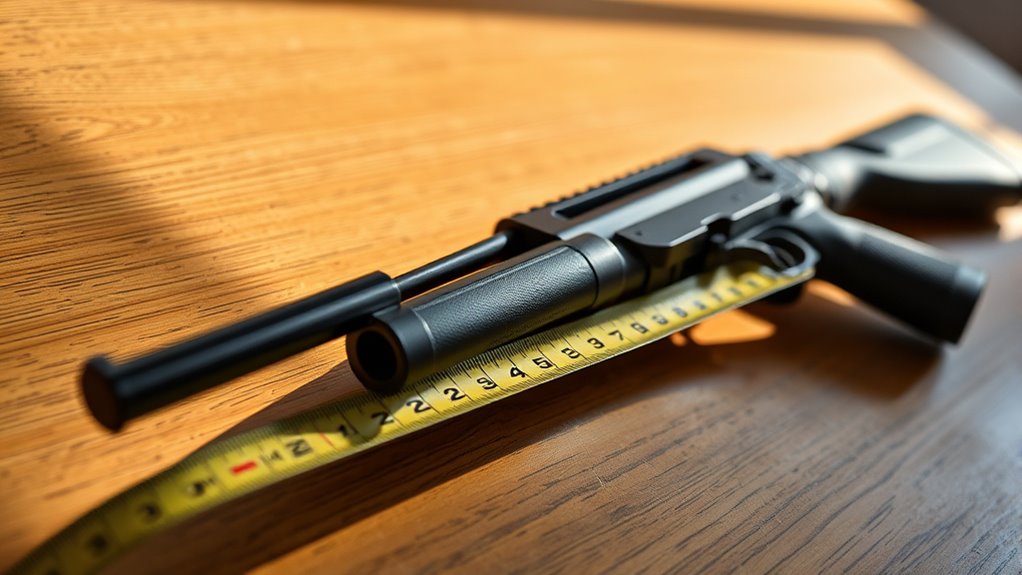
To identify a short barrel rifle (SBR), you’ll first want to measure the barrel length from the muzzle end to the breech face. Make sure to include any permanently attached muzzle devices in your measurement.
If the barrel measures under 16 inches and the firearm has a shoulder stock, it’s classified as an SBR under federal law. This means it requires registration and a tax stamp.
It’s also a good idea to measure the overall length with the stock fully extended for accuracy.
Knowing these details helps you avoid any legal troubles and ensures your firearm is properly classified.
So, when you’re exploring different firearm types, keeping these measurements in mind is key to staying on the right side of the law.
Key Takeaways
- A short barrel rifle (SBR) has a barrel length less than 16 inches measured from muzzle to breech face. When figuring out if your rifle qualifies as an SBR, make sure to include any permanently attached muzzle devices in your measurement. This helps keep things accurate.
- To measure the overall length of the firearm, you go from the front of the barrel all the way to the rear of the stock or brace, following a straight centerline. It’s important to note that an SBR must have a shoulder stock, which is what sets it apart from AR pistols that use a pistol brace instead.
- Keep in mind, SBRs need to be registered under NFA regulations. This means you’ll have to get a $200 tax stamp because of the barrel length and the stock setup. It’s a crucial step to stay on the right side of the law.
Measuring Barrel and Overall Length to Identify an SBR
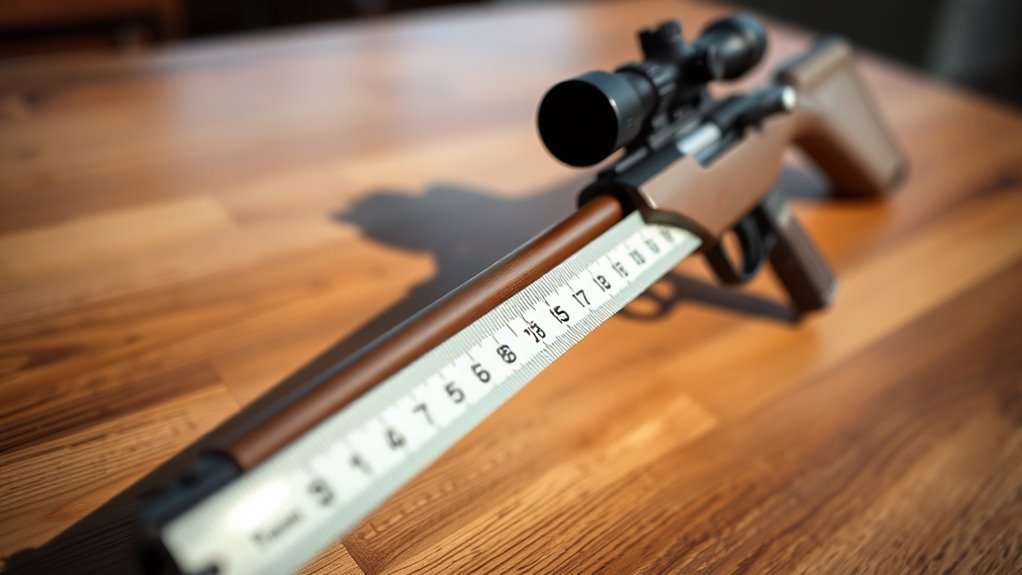
To identify a short barrel rifle (SBR), you need to measure the barrel length from the muzzle end to the breech face. This includes any permanently attached muzzle devices like flash suppressors or compensators.
This length measurement is essential because federal law classifies a firearm with a barrel shorter than 16 inches as an SBR. You also have to measure the overall length of the firearm from the front of the barrel to the rear end of the stock or brace along a straight centerline.
If the firearm has a folding or telescoping stock, measure it with the stock fully extended to get an accurate overall length. The ATF uses these measurements for firearm classification, so precise measuring guarantees correct identification of an SBR under federal law.
Physical and Legal Differences Between SBRs and AR Pistols
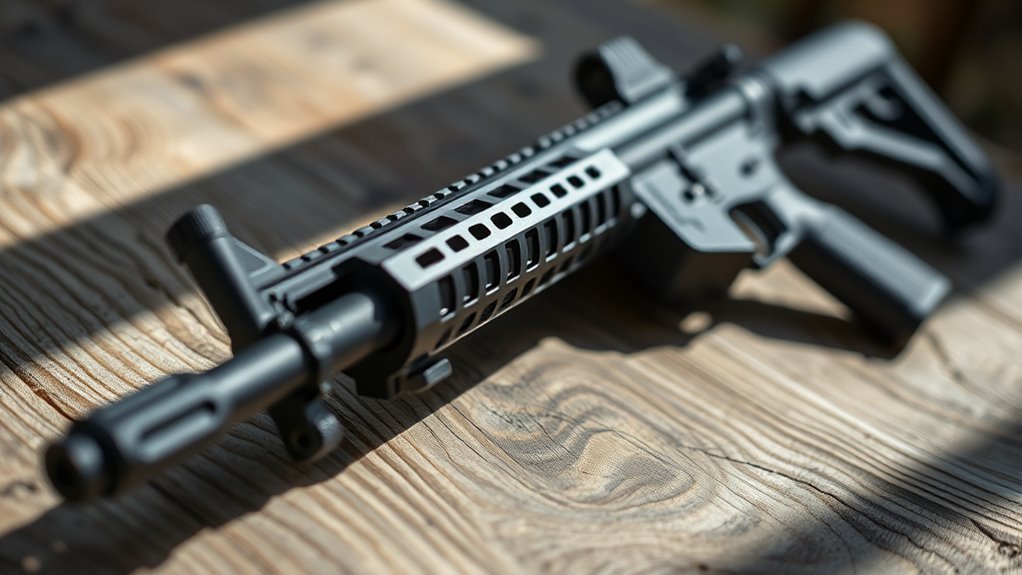
Although SBRs and AR pistols may look similar, you’ll find significant physical and legal differences between them that affect how they’re classified and regulated. A short-barreled rifle (SBR) has a barrel length under 16 inches and a shoulder stock.
On the other hand, an AR pistol features a barrel under 16 inches but lacks a shoulder stock, using a pistol brace instead. The ATF requires SBRs to undergo registration and pay a $200 tax stamp under NFA rules.
Overall length measurement, including the stock or brace, plays a key role in legal classification. Adding a shoulder stock to an AR pistol converts it into an SBR, triggering firearm regulations that demand compliance.
Understanding these distinctions helps you navigate the complex legal landscape surrounding your firearm. It’s definitely worth knowing the differences before making any modifications.
Frequently Asked Questions
What Qualifies a Short Barrel Rifle?
You qualify a short barrel rifle if its barrel is under 16 inches or its overall length is below 26 inches, especially if you add a shoulder stock, which changes the firearm’s classification under federal law.
How Do I Tell if My Rifle Is Short Action or Long Action?
Don’t confuse short action with long action—you can tell by measuring from the bolt face to the receiver’s rear: less than 2.8 inches means short action, while longer than that means you’re dealing with a long action rifle.
Is a 10.5 Inch Barrel Considered a SBR?
Yes, a 10.5-inch barrel is considered a short barrel rifle (SBR). You’ll need to register it with the ATF, file the proper paperwork, and get a tax stamp before legally owning or using it.
Is an AR-15 a Short Barrel Rifle?
You might think every AR-15’s a tiny, fierce beast, but it’s not always a short barrel rifle. If your AR-15’s barrel is under 16 inches or overall length below 26, then yes, it’s an SBR.
Conclusion
Now that you know how to measure barrel and overall length, you’re closer to spotting what makes a rifle a Short Barrel Rifle. But don’t rush—there’s more to take into account, especially when it comes to legal distinctions between SBRs and AR pistols.
One wrong move could land you in hot water. So, before you act, make sure you fully understand these essential differences.
The next step? It’s where the real challenge begins. Identifying a Short Barrel Rifle isn’t just about measurements; it’s also about knowing the legal definitions and regulations that apply. Being clear on what counts as an SBR will help you stay compliant with the law and avoid penalties. So, take your time, learn the rules thoroughly, and you’ll be better equipped to handle any situation involving Short Barrel Rifles.