Is It Bad to Dry Fire a Pistol Safely
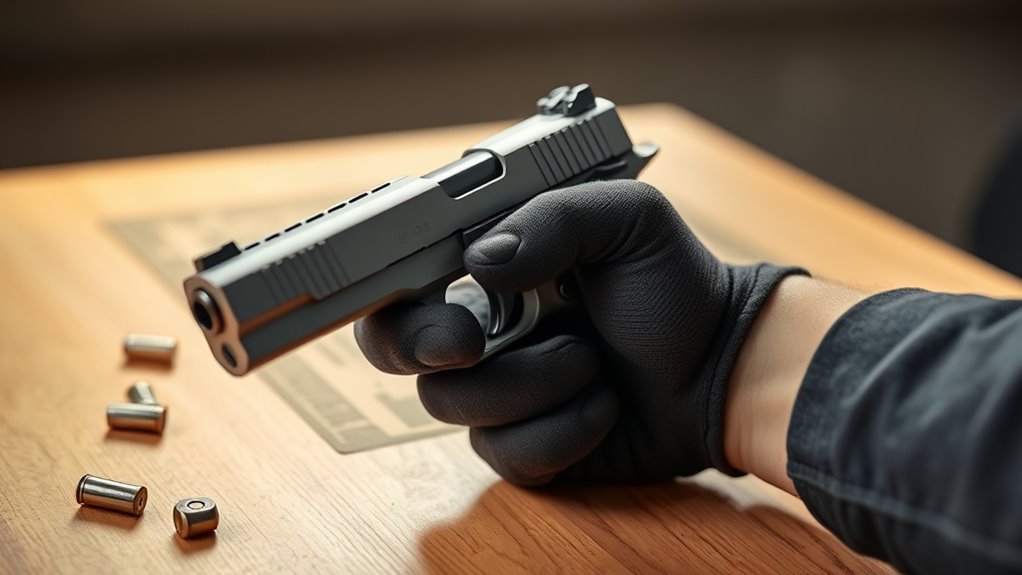
You can safely dry fire most modern pistols if you take the right precautions. Dry firing a pistol means pulling the trigger on an unloaded gun, and when done carefully, it’s a great way to improve your shooting skills without going to the range.
Always make sure your firearm is completely unloaded and pointed in a safe direction before you start.
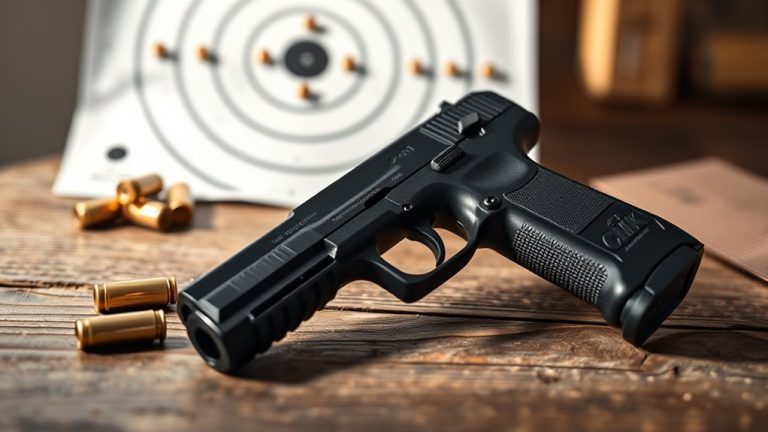
Using snap caps is a smart move because they help protect the internal parts of your pistol from wear and tear. Keeping your dry fire sessions short can also reduce unnecessary stress on the gun.
Many pistols are designed to handle dry firing, but doing it too much might cause some damage over time.
So, stick to what the manufacturer says about dry firing your specific model. By following these simple guidelines, you’ll get better at shooting without hurting your pistol.
Keep practicing, and you’ll find easy ways to keep your gun safe during dry fire sessions.
Key Takeaways
- Dry firing modern pistols like Glock or SIG is generally safe and won’t damage the firearm if done properly. Just make sure you know what you’re doing before you start.
- Using snap caps during dry firing cushions the firing pin, which helps reduce wear on internal parts. They’re a great little tool to have for practice.
- Excessive dry firing can cause increased wear, so it’s a good idea to limit your practice sessions. You want to keep your pistol in good shape for the long run.
- Always double-check that the firearm is unloaded and pointed in a safe direction before you dry fire. Safety first, always!
- Dry firing is a fantastic way to improve trigger control and shooting skills without dealing with recoil or noise. It really makes training more effective and convenient.
Is Dry Firing Really Safe for Most Modern Pistols?

Although dry firing once in a while won’t harm most modern pistols, you should know that centerfire models from brands like Glock, SIG, and Smith & Wesson are built to handle it safely. When you practice dry firing, you improve your trigger control without worrying about recoil or noise.
Most modern pistols are safe to dry fire because their firearm components are designed to withstand the impact without firearm damage. However, excessive dry fire can increase wear, so it’s wise to use snap caps during firearms training to protect the firing pin further.
While dry firing helps develop muscle memory and trigger pull smoothness, always be mindful of your pistol’s design limits. In general, occasional dry firing is a safe and effective training method for maintaining your skills.
Simple Tips to Protect Your Pistol and Avoid Damage During Dry Fire

While most modern pistols can handle occasional dry firing, taking simple precautions helps protect your firearm from unnecessary wear or damage. Always verify your pistol is completely unloaded and pointed in a safe direction before you dry fire.
Use snap caps or dummy rounds to cushion the firing pin’s impact, preventing damage to internal components. Limiting the length of dry fire sessions reduces excessive wear on the firing pin and striker.
Practicing proper trigger control during dry fire also helps maintain your skills without stressing the firearm. Regularly inspect your pistol for signs of wear, especially after frequent dry firing, and follow the manufacturer’s guidelines closely.
Frequently Asked Questions
Does Dry Firing a Pistol Ruin It?
Dry firing a pistol won’t ruin it if you do it carefully and use snap caps, especially with rimfire guns. Just don’t overdo it, and follow your manufacturer’s advice to keep your pistol safe and functional.
What Pistol Should You Not Dry Fire?
You shouldn’t dry fire rimfire pistols or older models with delicate firing pins—they’re like fragile glass teacups waiting to shatter. Always check your pistol’s manual before dry firing to avoid costly, avoidable damage.
How to Properly Dry Fire a Pistol?
To properly dry fire a pistol, make sure it’s unloaded, point it in a safe direction, use snap caps if recommended, follow the manufacturer’s guidelines, practice in a controlled area, and regularly inspect your firearm for damage.
Is It Bad to Dry a Gun?
Drying a gun isn’t like throwing it off a cliff, but if you do it carelessly, you risk damage. You’ll want to use snap caps and inspect it regularly to keep your firearm safe and functional.
Conclusion
Dry firing your pistol is like tuning a delicate instrument—it sharpens your skills without firing a single shot. When done carefully, most modern pistols can handle this practice without harm. But you’ve got to treat your firearm with respect.
Think of it as a dance: move thoughtfully, avoid harsh steps, and your pistol will stay in rhythm. Follow simple tips, and you’ll keep your weapon ready and reliable every time you pull the trigger.
So, is it bad to dry fire a pistol safely? Not really. If you understand your specific firearm and use snap caps or dummy rounds when needed, dry firing can be an effective training tool. Just remember, safe dry firing practices help maintain your pistol’s function and longevity, making your training both smart and safe.