How Loud Is a .22 Rifle?
A .22 rifle is generally quieter than most firearms, making it a popular choice for beginners and small game hunting. How loud it actually is depends a lot on factors like barrel length and the type of ammo you use.
Longer barrels help reduce muzzle blast, which can make shots about 5–7 dB quieter. Using subsonic ammunition cuts noise even more, bringing the sound closer to that of a pellet gun.
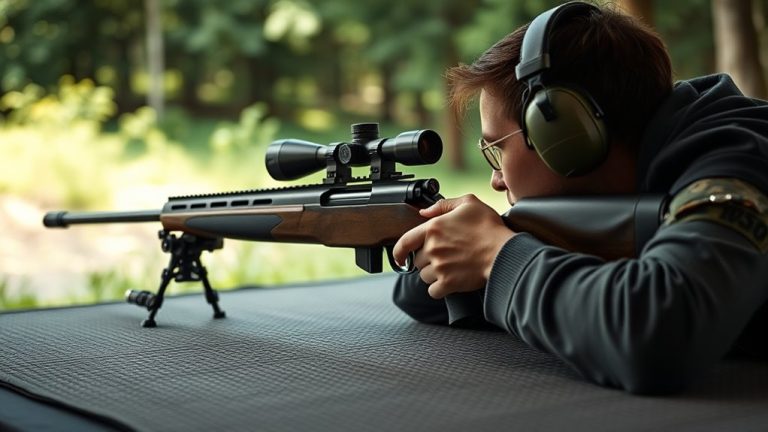
Still, even with these quieter options, the sharp impulse noise from a .22 rifle can harm your hearing. So, wearing hearing protection is super important every time you shoot.
If you want to get the most out of your shooting experience while staying safe, there are a few other things you’ll want to consider. Keep reading to learn more!
Key Takeaways
- A .22 rifle’s loudness varies with barrel length. Longer barrels produce quieter shots by reducing muzzle blast noise.
- Using subsonic ammunition significantly lowers noise levels. This makes .22 rifle shots comparable to quieter pellet guns.
- Supersonic rounds increase impulse noise. They often reach around 140 dB, which can risk hearing damage.
- The noise difference between short and long barrels is about 5–7 dB. You’ll especially notice this near the shooter’s ear.
- Proper hearing protection, like electronic earplugs, is essential. They can reduce perceived noise by 20–30 dB during shooting.
How Loud Is a .22 Rifle? What Barrel Length Changes
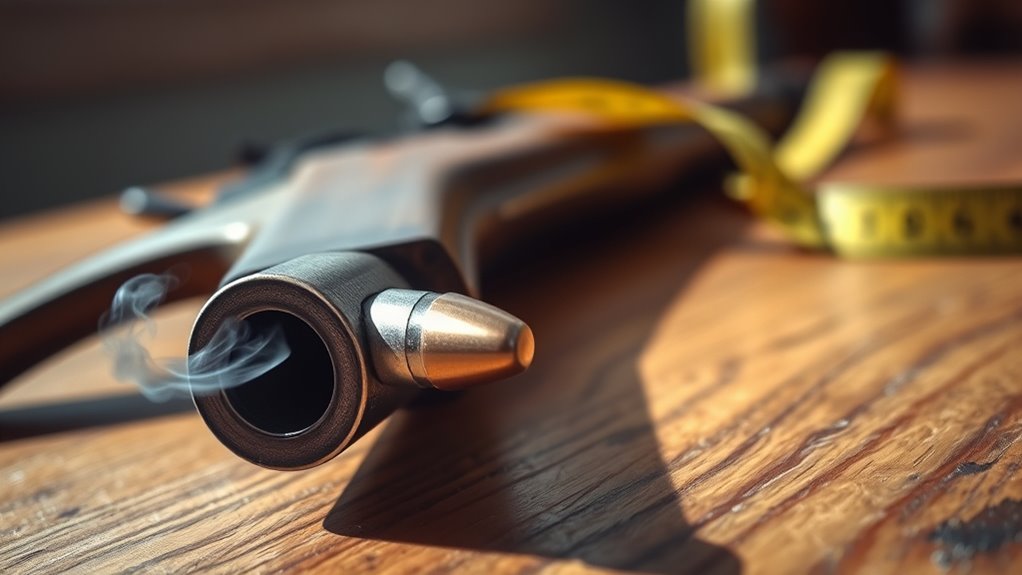
A .22 rifle’s loudness depends heavily on barrel length and ammunition type. When you use longer barrels, you generally experience lower noise levels because the barrel reduces gas pressure and softens the muzzle blast.
Subsonic rounds, especially with longer barrels, produce quieter gunshot noise, often resembling a pellet gun’s report. In contrast, supersonic rounds and shorter barrels increase impulse noise and decibel levels, making the shot noticeably louder.
The difference between short and long barrels can be about 5-7 dB, which you’ll definitely notice. Even at your ear, noise levels drop compared to the muzzle.
While muzzle brakes affect recoil, they have less impact on noise with .22 rifles. To manage gunshot noise effectively, understanding barrel length’s role is key before considering hearing protection.
Choosing Ammo and Protecting Your Hearing With a .22 Rifle
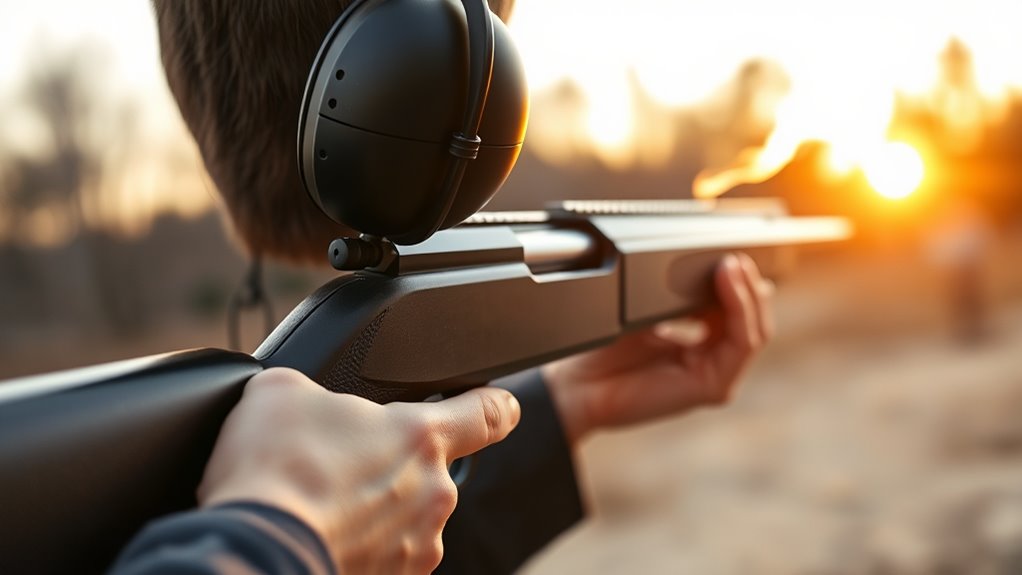
Although .22 rifles are often seen as quieter firearms, choosing the right ammo and using proper hearing protection are vital to prevent hearing damage. Using subsonic ammunition paired with a longer barrel reduces peak sound pressure and delivers significant noise reduction, often making shots as quiet as a pellet gun.
Standard velocity rounds can reach 140 dB, which poses a risk of hearing loss due to impulsive noise, similar to a pistol or revolver. To protect your hearing, always wear quality ear protection like electronic earplugs, which can lower perceived noise by 20–30 dB.
Combining subsonic ammo, an appropriate barrel length, and ear protection ensures you minimize hearing damage while enjoying your .22 rifle safely. So, it’s really worth taking these steps to keep your ears safe while having fun.
Frequently Asked Questions
Is a 22 Caliber Rifle Loud?
Yes, a .22 caliber rifle is loud enough to damage your hearing if you don’t wear protection. Even though it’s quieter than bigger guns, you should always use ear protection when shooting one.
Is a 22 Louder Than a 9mm?
A .22 isn’t louder than a 9mm; it’s like comparing a whisper to a shout. You’ll notice the 9mm’s noise is roughly 20 decibels louder, making it considerably more powerful and ear-piercing than a .22 rifle.
Will a 22LR Stop an Intruder?
A .22LR can stop an intruder, but it’s less reliable than bigger calibers. You’ll need precise shot placement, and it might not incapacitate quickly. Consider a more powerful firearm for better defense.
Do You Need Ear Protection for a 22?
Yes, you need ear protection when shooting a .22. Its noise can damage your hearing over time. Wearing protection reduces the sound considerably, keeping your ears safe and preventing permanent hearing loss during shooting sessions.
Conclusion
When you fire a .22 rifle, it’s like a sudden clap of thunder—sharp but less overwhelming than bigger calibers. Imagine standing next to a lawnmower rather than a jet engine; that’s about how loud it is.
But don’t underestimate it—over time, even this noise can wear down your hearing. So, always protect your ears, because once hearing’s gone, it’s like trying to catch lightning in a bottle—impossible to get back.
In short, understanding how loud a .22 rifle is can help you make smart choices about ear protection. Even though it’s quieter than larger guns, the noise level is still enough to cause damage if you’re not careful. So, whether you’re target shooting or hunting, never skip on hearing protection. Your ears will thank you later!