How to Identify a Bull Barrel on a Pistol
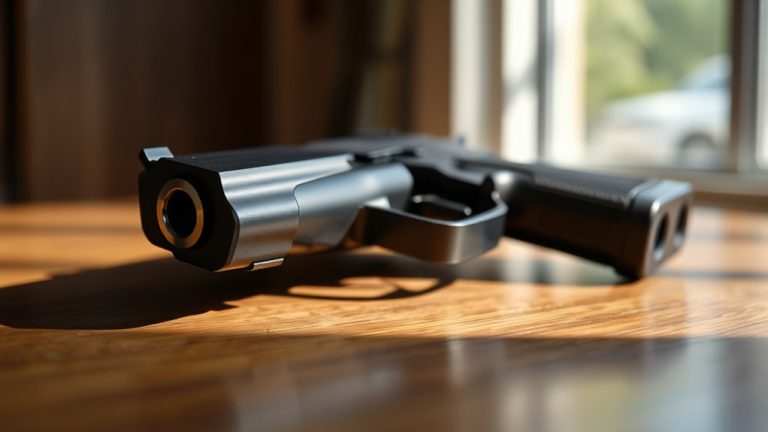
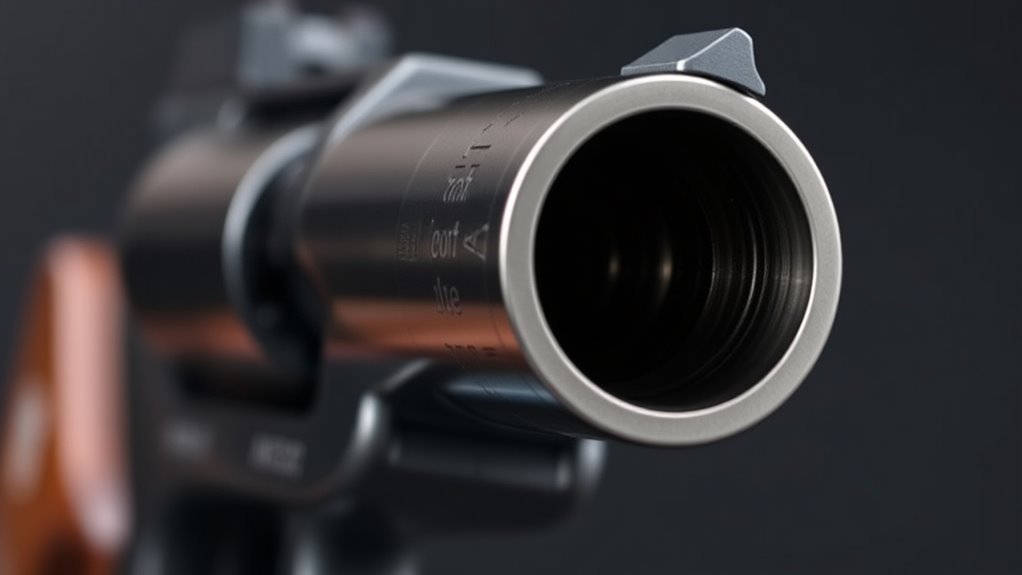
You can identify a bull barrel on a pistol by its thick, uniform diameter that runs straight from the chamber to the muzzle without any tapering. This type of barrel is known for being heavy and “meaty,” much like a stout pipe, making it stand out from standard barrels.
Bull barrels often match the width of the slide, giving the pistol a solid, robust look.
Unlike standard barrels, bull barrels don’t narrow or flare at the end. They also don’t have a visible barrel bushing, which is common in regular pistols.
If you keep exploring, you’ll uncover even more ways these barrels stand out and why they’re favored for certain shooting styles.
Key Takeaways
- Bull barrels have a noticeably thicker and wider diameter, typically between 0.700 and 0.750 inches. They maintain a consistent cylindrical shape from chamber to muzzle without tapering or narrowing.
- The barrel diameter usually matches the slide’s width, giving a heavy, solid appearance. Unlike standard barrels, bull barrels lack tapering, flaring, or conical features at the muzzle end.
- You won’t see a barrel bushing on these barrels. Instead, the barrel looks like a stout, thick pipe throughout its entire length.
How to Spot a Bull Barrel on a Pistol by Size and Shape
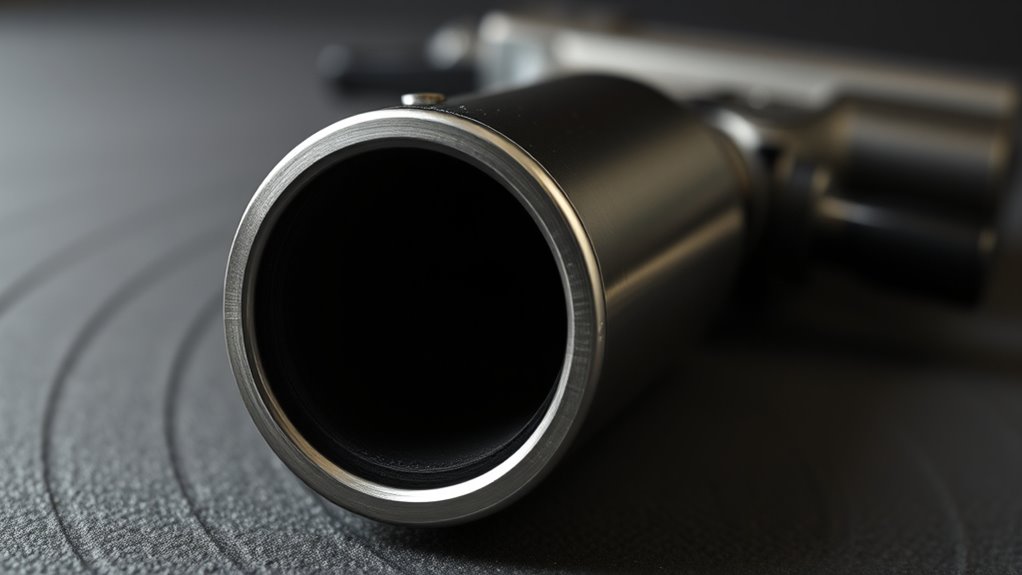
Although bull barrels vary among pistols, you can spot one by its noticeably thicker and wider diameter, often matching the slide’s width. This increased size sets the bull barrel apart from standard barrels, which typically taper toward the muzzle.
Instead, the bull barrel maintains a consistent, cylindrical shape from chamber to muzzle, resembling a stout, thick pipe. When you examine the shape closely, you’ll notice it lacks any narrowing or tapering, giving it a uniform, robust appearance.
The diameter usually ranges from 0.700 to 0.750 inches, making it markedly larger than conventional pistol barrels. By focusing on these size and shape characteristics, you can quickly identify a bull barrel and distinguish it from thinner, tapered barrels found on many pistols.
Why Bull Barrels Look Different From Standard Pistol Barrels
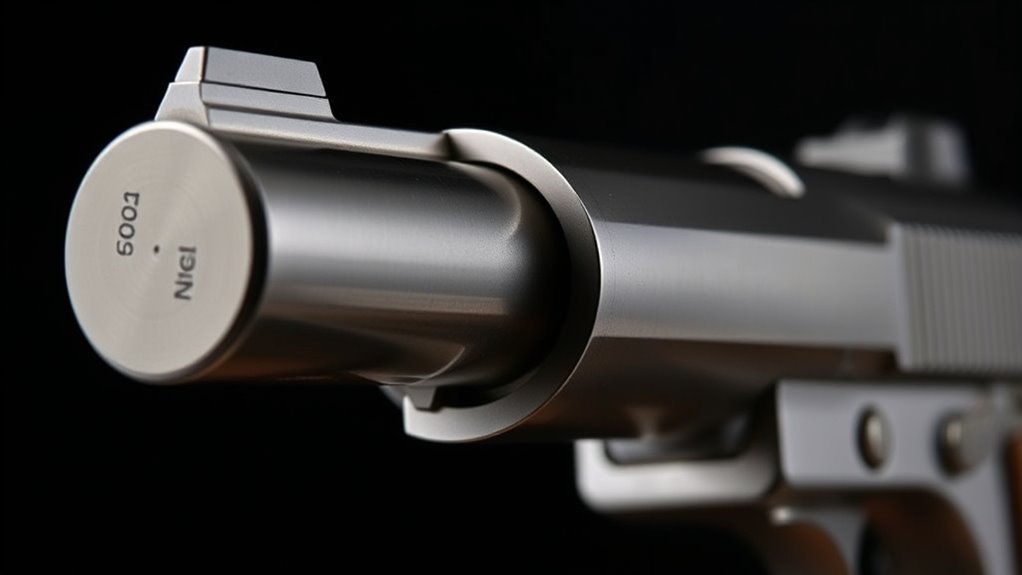
When you look closely at a bull barrel, you’ll notice it stands out because of its consistent thickness and straight, cylindrical shape. Unlike standard pistol barrels, a bull barrel doesn’t taper or narrow; it maintains a heavy barrel profile throughout its length.
This design makes the barrel appear much thicker, often matching the slide’s width, giving it a robust, “meaty” look. You won’t see the flared or conical shapes typical of some custom barrels here.
The absence of a barrel bushing and the uniform diameter further distinguish a bull barrel visually. So, when you compare it to a standard barrel’s slimmer, tapered form, the heavy barrel’s straight, solid appearance is unmistakable.
Frequently Asked Questions
What Makes a Barrel a Bull Barrel?
A barrel’s a bull barrel when it’s thick, cylindrical, and doesn’t taper. You’ll notice it’s heavier, matches the slide’s diameter, and improves accuracy by reducing vibrations. You’ll feel its stability when shooting precision or competition pistols.
What Does a Bull Barrel Look Like?
You’ll spot a bull barrel because it looks like your pistol hit the gym—thick, solid, and unapologetically bulky, running straight without tapering. It’s like the barrel decided to skip the diet and bulk up instead.
What Guns Have a Bull Barrel?
You’ll find bull barrels on custom 1911 pistols, competition handguns, and some revolvers. They’re popular for improving accuracy and stability, especially in firearms designed for target shooting or tactical use where precision matters most.
What Is a Bull Barrel on a Pistol?
A bull barrel on a pistol is a thick, straight barrel about .700 inches wide at the muzzle. You’ll notice it’s heavier and doesn’t taper, helping you shoot more accurately and handle heat better during rapid fire.
Conclusion
Now that you know how to spot a bull barrel by its thicker, heavier shape, you’ll see it stands out like a mountain among hills. Its size isn’t just for show—it’s designed to reduce recoil and improve accuracy.
When you pick up a pistol with a bull barrel, you’re holding something built for precision and power. Keep these tips in mind, and you’ll easily identify a bull barrel every time.
Remember, a bull barrel on a pistol is all about enhancing shooting performance. Its distinctive thickness not only looks different but also helps steady your aim by absorbing more recoil. So next time you’re checking out pistols, look for that chunky barrel—it’s a clear sign of a bull barrel designed for better accuracy and control.