How to Aim With a Pistol in 3 Simple Steps
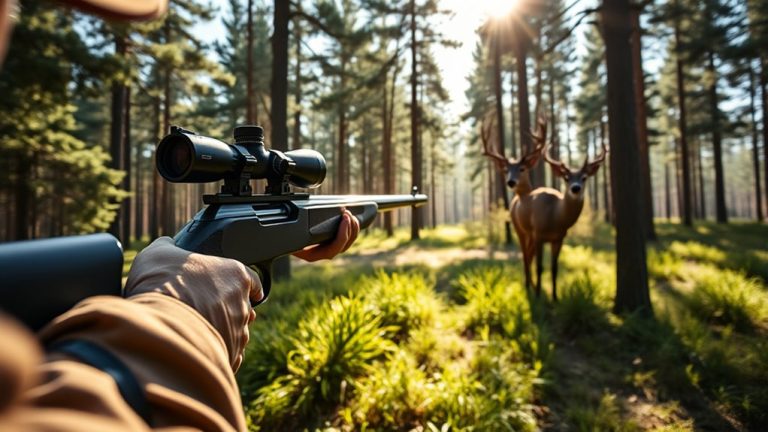
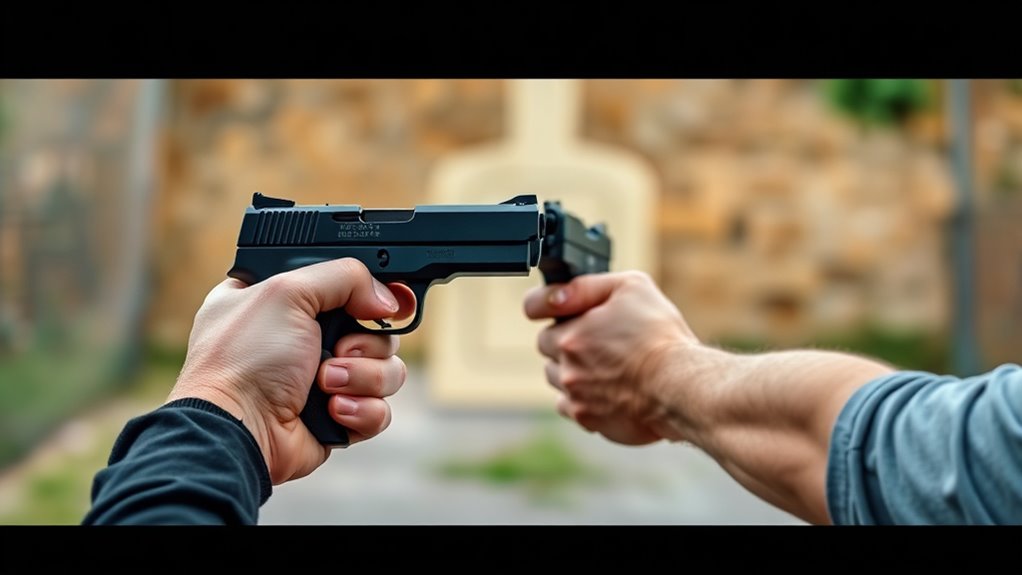
To aim with a pistol in three simple steps, start by clearly identifying your target and what’s behind it to ensure safety. Knowing your surroundings is crucial when handling any firearm. Always double-check your backstop before you even think about pulling the trigger.
Next, align your sights perfectly. This means centering the front sight with the rear sight and focusing on your target’s impact point. Proper sight alignment is what really helps you hit your mark.
Finally, control your trigger press smoothly without disturbing your aim. Keep your follow-through steady after the shot to maintain accuracy. Mastering these basics will boost your shooting skills, and as you practice more, you can explore the finer details to get even better.
Key Takeaways
– Identify your target clearly and confirm what lies behind it before aiming.
You want to be absolutely sure of what you’re shooting at and what’s beyond it. Safety first!
– Align front and rear sights evenly, focusing on the front sight for a clear sight picture.
This helps you get a sharp and precise aim on your target.
– Keep your trigger finger off the trigger until your sights are perfectly aligned on the target.
Control is key here. Don’t rush it.
– Control your breath by pausing after exhaling to steady your aim before shooting.
Taking a moment to steady yourself really makes a difference.
– Press the trigger smoothly and straight back while maintaining sight alignment and follow-through.
No jerking! Just a smooth, steady press for the best shot.
Know Your Target and What’s Behind It
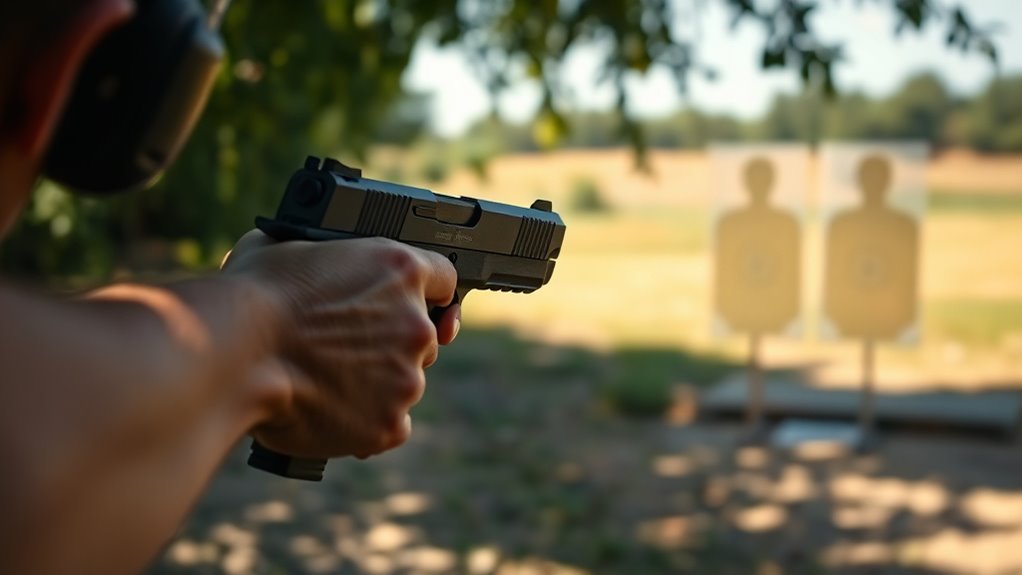
Before you squeeze the trigger, you need to clearly identify your target and make sure your sights are perfectly aligned on that exact point. In pistol shooting, knowing your target is essential for safe and effective trigger control.
Clearly identify your target and align your sights perfectly before squeezing the trigger for safe, effective pistol shooting.
Always confirm what’s behind your target—whether a backstop, berm, or solid barrier—to guarantee any missed shots or over-penetration are contained. Watch for hazards like people, reflective surfaces, or vehicles near or beyond the target that could cause dangerous ricochets.
Make this “know your target” routine second nature, especially during rapid fire, to avoid aiming errors under stress. If you can’t clearly see the target or what lies beyond it, pause to reassess before continuing.
This habit ensures responsible and accurate pistol shooting every time. It’s really about staying safe and being smart with each shot you take.
Align Your Sights and Establish a Clear Sight Picture
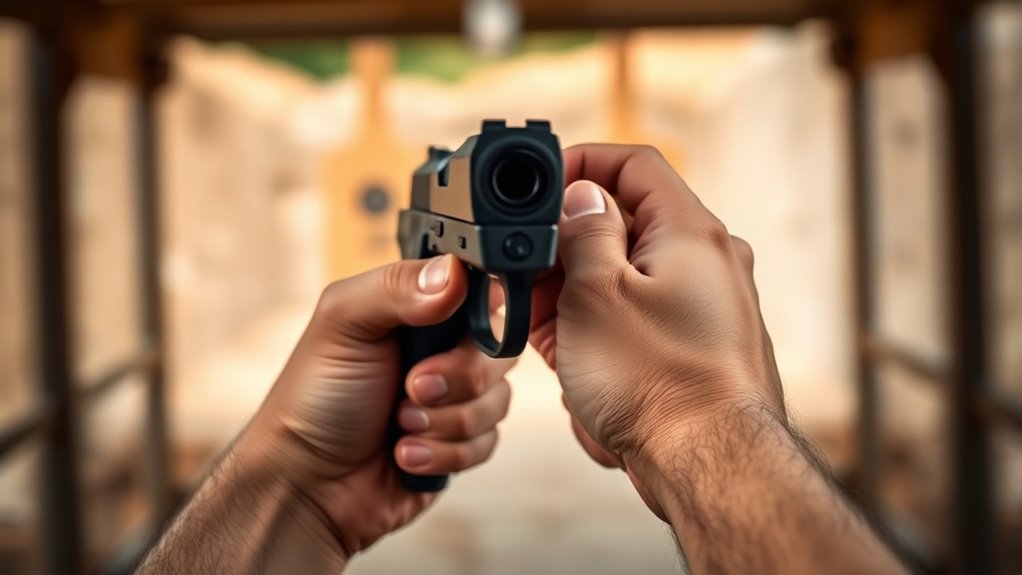
A fundamental step in accurate pistol shooting is aligning your sights perfectly and establishing a clear sight picture. Start by ensuring your front sight is centered exactly in line with the rear sight, matching height and spacing evenly.
This sight alignment creates a steady, uniform gap, preventing the front sight from drifting or climbing. Next, place this aligned sight picture onto your target, with the front sight positioned precisely where you want the bullet to hit.
Focus your eyes primarily on the front sight, keeping it sharp, while the target appears slightly blurred. Maintaining this alignment through the shot is essential—any movement before the gun fires shifts your aim.
Control Your Trigger for Accurate Aiming and Follow-Through
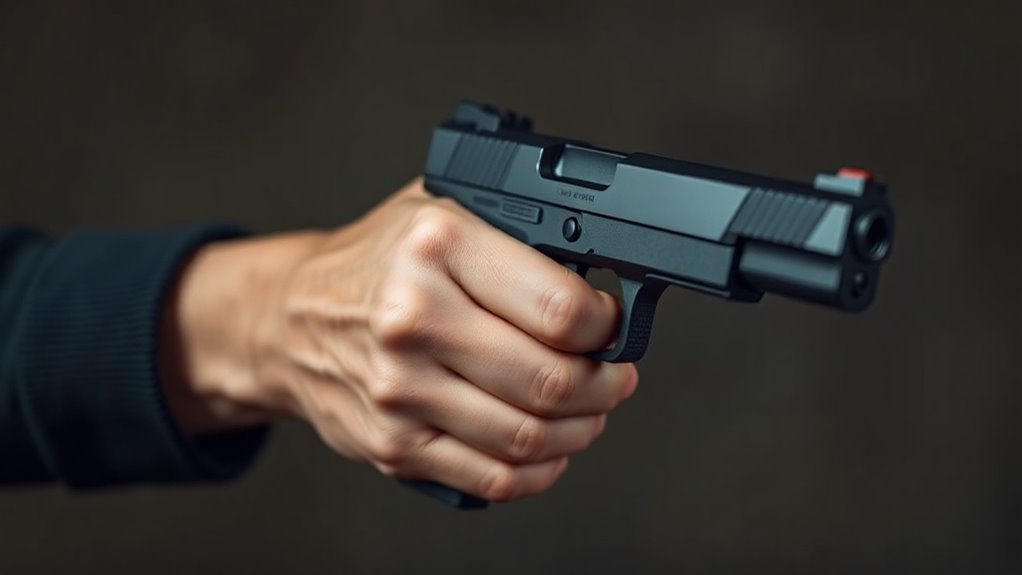
When you’ve aligned your sights perfectly, it’s essential to control your trigger press smoothly to keep your aim steady. Keep your trigger finger off the trigger until your sights are on target, then place it on the trigger pad—not the fingertip.
Press straight back gradually, maintaining your sight alignment and steady sight picture to avoid disturbing the muzzle. Control your breath by pausing briefly after exhaling so your aim doesn’t bounce.
After the shot breaks, don’t let up or jerk the trigger; keep your sights on target to maintain follow-through. If you pull a shot, stop, reset your grip and alignment, and repeat the controlled trigger press with the correct sight picture.
This disciplined trigger control is key to accurate, consistent shooting. It might take some practice, but once you get the hang of it, your shooting will improve a lot.
Frequently Asked Questions
What Type of Pistol Is Best for Beginners?
You’ll want a small-caliber, lightweight pistol like a .22 LR or 9mm for beginners. They’re easier to control and have less recoil.
This helps you build confidence and accuracy while learning proper handling and aiming techniques. It’s all about getting comfortable with the basics first.
How Do I Clean and Maintain My Pistol?
You should unload your pistol first, then use a cleaning kit to remove residue from the barrel and parts.
Apply lubricant sparingly, wipe down surfaces, and regularly check for wear to keep your pistol reliable and safe.
Keeping up with this routine will make sure your gun works smoothly and lasts longer. It’s not hard once you get into the habit!
What Safety Gear Should I Use When Shooting?
Think of safety gear as your invisible shield—always wear eye protection to guard against debris, and ear protection to block loud gunfire.
Don’t forget gloves and proper clothing to keep you safe and comfortable while shooting. It really makes a difference when you’re out there.
How Often Should I Practice Aiming With My Pistol?
You should practice aiming with your pistol regularly, ideally at least once a week, to build and maintain your skills. Consistent practice helps improve accuracy, muscle memory, and confidence.
It keeps you sharp and safe while shooting. So, try to make it a habit. The more you practice, the better you’ll get!
Can Aiming Techniques Vary Between Different Pistol Models?
Imagine switching from a compact Glock to a heavy 1911; yes, aiming techniques vary because grip, sight alignment, and recoil differ.
You’ll need to adjust your stance and focus to maintain accuracy with each model. It’s all about getting comfortable with the feel and handling of the pistol you’re using.
Conclusion
So, now that you know how to aim with a pistol in just three simple steps, remember: it’s not about pointing and shooting like a video game. If it were that easy, everyone would be a sharpshooter by now!
But by really knowing your target, aligning your sights, and controlling your trigger, you’ll surprise yourself with how accurate you can get. Who knew aiming could be this straightforward—and a little bit fun?
Mastering how to aim with a pistol takes practice, but these simple steps make it easier than you might think. Focus on your target, keep your sights perfectly aligned, and pull the trigger smoothly. With patience and dedication, your shooting accuracy will improve dramatically. So keep practicing, and enjoy the process of becoming a confident, skilled marksman!